
Home » What Are Grape Leaves for Dolmas
The grape leaves used to make stuffed grape leaves are not just leaves to wrap the filling. They are a crucial ingredient that determines the flavor, texture, and authenticity of this beloved dish.
What are stuffed grape leaves?
Stuffed grape leaves (Dolmas) are a classic dish influenced by the culinary cultures of the Mediterranean, Middle East, and Balkan regions, known for their perfect balance of flavor, texture, and cultural significance.
This food has different names in different countries, such as:
Turks generally call it “Dolma” or “Sarma.” “Dolma” is a general term for various stuffed dishes, while the version wrapped in grape leaves is sometimes specifically called “Sarma.”
Middle Eastern countries (such as Saudi Arabia, Lebanon, and Jordan) call it “Dolma” or “Mahshi.”
Greeks call it “Dolmades,” often using grape leaves to wrap rice and pork.
Egypt: Called “Mahshi Waraq Enab,” it is a common local dish of grape leaves wrapped around a filling.
Iran: Called “Dolmeh,” it continues the tradition of combining fillings with spices, fitting the local dietary flavors.
Armenia: Generally called “Tolma” or “Dolma,” there is also a vegetarian version exclusive to Ramadan.
Syria: Called “Yabraq,” the local people distinguish between grape leaf-wrapped and cabbage-wrapped versions, with Yabraq specifically referring to the grape leaf-wrapped variety.
Cyprus: Called “Koupe Pia,” it is a local specialty of grape leaves wrapped around a filling, blending Mediterranean flavors.
The core of this iconic dish lies in the grape leaves. However, not all grape leaves are suitable for making stuffed grape leaves. The grape leaves used to make stuffed grape leaves must meet specific standards to ensure a perfect texture, from ease of wrapping to harmonious flavor.
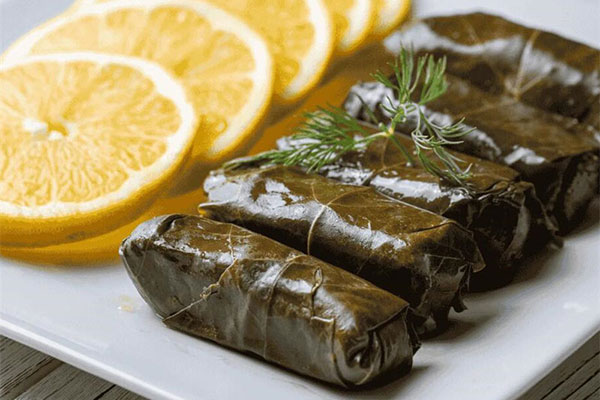
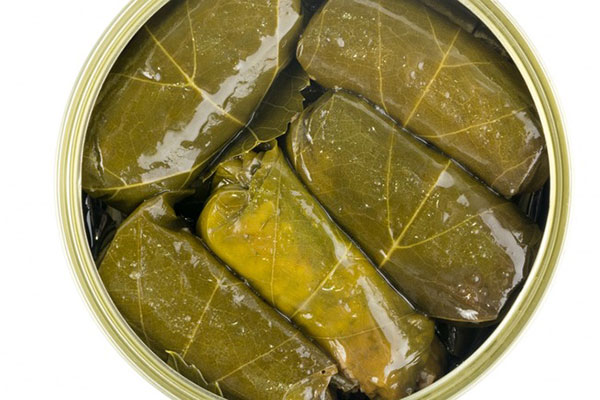
What Are Grape Leaves for Dolmas?
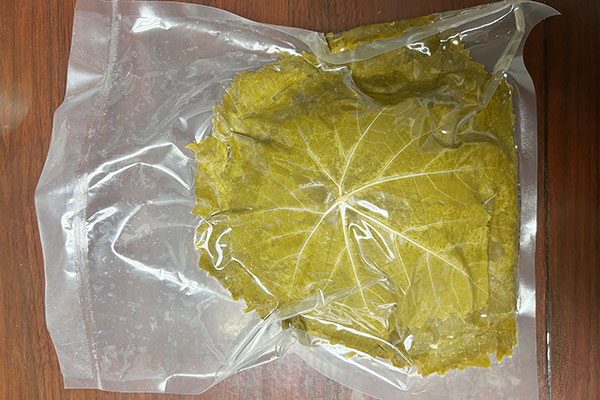
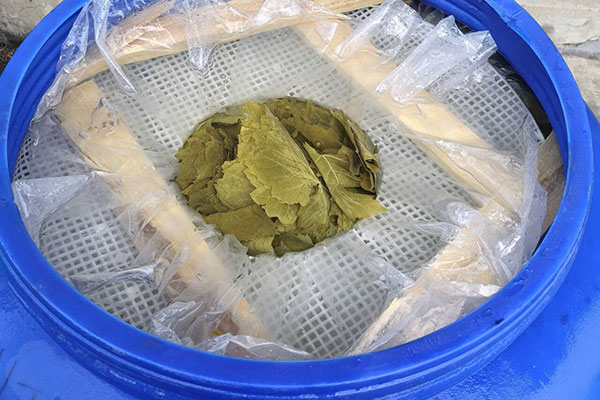
The grape leaves used to make stuffed grape leaves are tender grape leaves that have been specially treated (usually pickled or brined), commonly referred to as pickled grape leaves, brined grape leaves, or salted grape leaves.
Would Like The Quotation?
Leave more about your requirements, such as, quantity, package, country, etc.
What standards do grape leaves for making stuffed grape leaves need to meet?
Tenderness of Grape Leaves: Harvesting at the Optimal Time
The most important characteristic of grape leaves dolmas is their tenderness, which is directly related to the age of the leaves. The best leaves are harvested from the grapevine in the early to mid-growing season—typically between May and August, depending on the region. At this stage, the leaves are tender, of moderate size (usually 8-18 cm in diameter), and have not yet developed tough, fibrous veins. Overly mature leaves are too tough and difficult to wrap, and remain chewy even after cooking, thus ruining the texture of the stuffed grape leaves. Therefore, strict control of the harvesting period is crucial for maintaining the consistency of grape leaf quality.
Processing Methods: Salting and Pickling
Grape leaves for dolmas are almost always pre-processed, as fresh grape leaves require extensive blanching and salting to remove bitterness and make them pliable. The two most common processing methods are salting and pickling.
Salted grape leaves are preserved in a brine solution (typically salt and water) without added vinegar. This method preserves the natural flavor of the grape leaves while maintaining their softness and flexibility. Salted grape leaves are ideal for making stuffed grape leaves because they allow the flavors of the filling to shine through, making them the preferred choice in authentic Middle Eastern and Mediterranean recipes. They also have a longer shelf life when stored properly, which is a key advantage for businesses looking to maintain inventory.
Another method, pickled grape leaves, are preserved in a brine containing vinegar, resulting in a more acidic taste. While they can also be used for making stuffed grape leaves, the vinegar flavor may overpower the filling, so they are more commonly used in salads or other dishes where a sour taste is desired.
For traditional stuffed grape leaves, brined grape leaves are preferred because they provide a neutral base that complements the herbs, spices, and other ingredients in the filling.
PH Value and Safety Standards
For commercially produced pickled grape leaves, pH value is an important indicator and a critical factor for safety and quality. The ideal pH range for pickled grape leaves used in making stuffed grape leaves is 2.6-3.2. This acidic environment inhibits the growth of harmful bacteria, ensuring a longer shelf life while preserving the texture and flavor of the leaves.
As a professional producer of pickled vine leaves, we conduct rigorous pH testing throughout the entire production process to maintain this range, ensuring our grape leaves are safe for consumption and meet international food safety standards.
Appearance and Uniformity
High-quality grape leaves used for making dolma should have a consistent appearance. They should be bright green, free from spots, holes, tears, or discoloration. Uniform size is also important, as leaves of roughly the same size are easier to wrap around fillings and ensure even cooking.
Why Choose Us as Your Grape Leaves Supplier for Making Dolma?
>> Meeting strict food safety regulations and certification requirements in different countries
We collaborate efficiently with officially authorized agencies to complete Halal certification, ensuring our brined vine leaves meet the dietary needs of Muslim consumers. Furthermore, we proactively conduct comprehensive testing according to SASO 2927:2018 and other international standards, covering 19 key indicators including pesticide residues, microorganisms, and heavy metals. Our products consistently meet the “zero pesticide residue” standard. And we can provide authoritative third-party testing reports (such as SGS reports) to ensure complete compliance with relevant standards.
>> Strictly adhere to local import regulations
We assist clients in accurately preparing a complete set of customs clearance documents, including commercial invoices, packing lists, certificates of origin, Halal certification documents, and SASO compliance statements. This avoids the risk of customs clearance delays due to incomplete or incorrect documents, saving you time and costs.
>> Customized quality adjustment capabilities
Different markets and culinary traditions have unique preferences for grape leaves for dolmas. Our team will work closely with you to understand your specific needs (such as brine ratio, leaf size, pH value, etc.) and then adjust the production process to deliver the perfect product. We also offer customized packaging solutions, from vacuum packaging, bottles, and jars to large containers suitable for industrial production, ensuring our products meet your diverse needs.
>> Logistics and distribution capabilities in extreme environments
Shipping to the Middle East market presents unique challenges, especially high temperatures, which can affect the quality of grape leaves for dolmas during transportation. We use food-grade, high-temperature resistant vacuum packaging, with a moisture-proof pearl cotton outer layer to effectively insulate against heat and moisture.
We choose direct shipping routes to shorten transit times and install temperature and humidity monitors in the containers to track the transportation environment in real time, ensuring the product temperature remains below 25℃ throughout the entire transportation process. In addition, we collaborate with professional local customs brokers to ensure rapid customs clearance.
>> Long-term partnership and empowerment
We are committed to building long-term, mutually beneficial partnerships with our clients. Our annual production capacity of 10,000 tons ensures we can meet large-volume order demands and maintain stable supply even during peak seasons. Furthermore, we implement full batch traceability throughout the entire production process, with each product labeled with production time, raw material batch number, and inspection number. This not only ensures compliance with local regulations but also helps you gain customer trust by demonstrating transparency and accountability.
FAQs of Grape Leaves for Dolmas
1. Can I use fresh grape leaves instead of brined grape leaves for dolmas?
Yes, you can use fresh grape leaves, but they require more preparation. Fresh grape leaves are bitter and need to be blanched in boiling water for 1-2 minutes, then soaked in cold water for several hours to remove the bitterness. Brined grape leaves are pre-processed, saving time, making them the preferred choice for most households and businesses.
2. How long do brined grape leaves last?
If stored properly (unopened, in a cool, dry place), brined grape leaves can last for 12-24 months. Once opened, the grape leaves should be placed in an airtight container, refrigerated, and completely submerged in brine, and consumed within 1-2 weeks.
3. Are grape leaves for dolmas healthy?
Yes! Grape leaves are low in calories and nutrient-rich, packed with vitamins A, C, and K, as well as dietary fiber and antioxidants. They are also a good source of calcium and iron. However, brined grape leaves are higher in sodium, so be sure to rinse them thoroughly before use, especially for those who need to control their sodium intake.
4. Can grape leaves for dolmas be frozen?
Yes, both brined and freshly prepared grape leaves can be frozen. Before freezing, pat the grape leaves dry, then layer them with parchment paper to prevent sticking. Place the folded grape leaves in the refrigerator’s crisper drawer.
For longer storage, place the grape leaves in an airtight container or freezer bag and freeze for up to 6 months. Before use, thaw the leaves in the refrigerator overnight.
5. What is the difference between grape leaves for dolmas and other grape leaves?
The main difference lies in the age and processing of the leaves. Grape leaves used for making stuffed grape leaves are young, tender leaves at the appropriate growth stage. Furthermore, these grape leaves are specially processed to remove bitterness and make them pliable. Other grape leaves may not be processed for culinary use.