
Home » Polypropylene Random
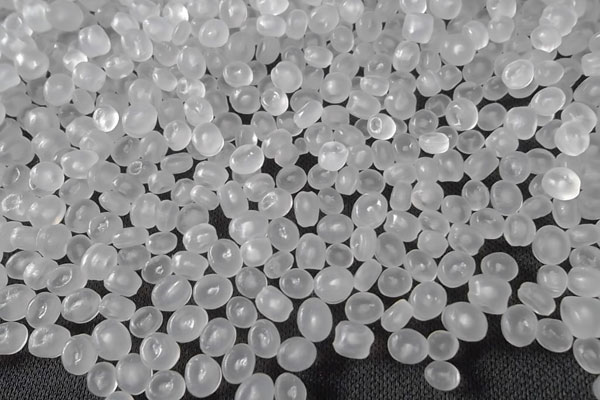
What Is Polypropylene Random PPR
Polypropylene random are produced by the addition of ethylene to propylene during the polymerization process. The methyl groups on the main chain of the PPR three-dimensional structure are randomly arranged on both sides of the molecular chain. It has ethylene units, typically up to 6% by mass, randomly incorporated into the polypropylene chain. The random incorporation of ethylene in the homopolymer matrix during polymerization results in PP resins with excellent clarity and gloss, making them suitable for applications requiring transparency and for products requiring excellent appearance.
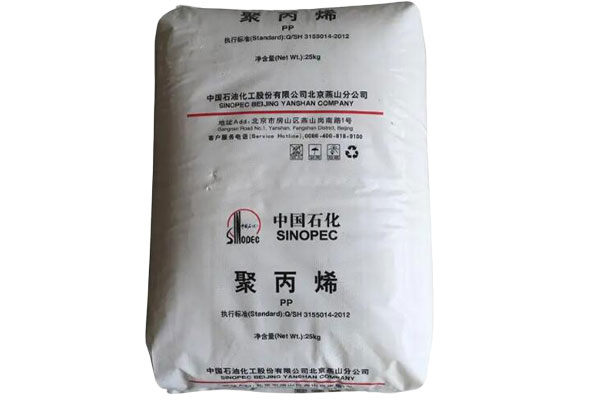
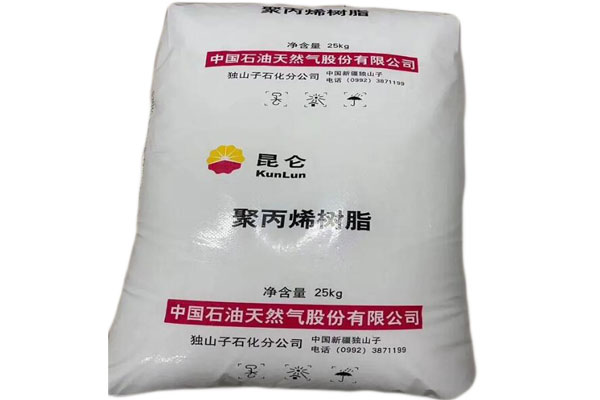
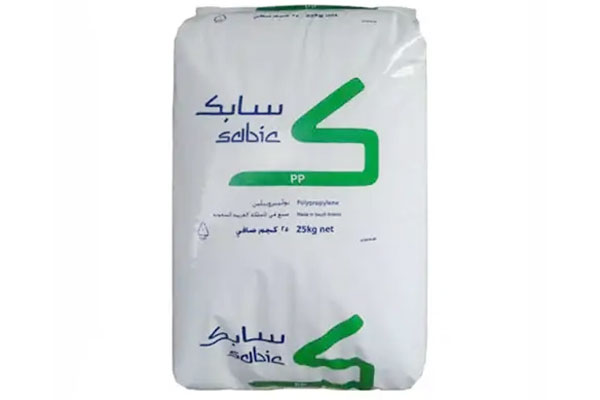
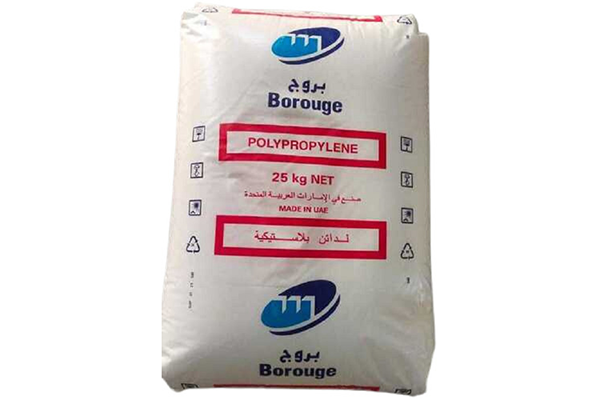
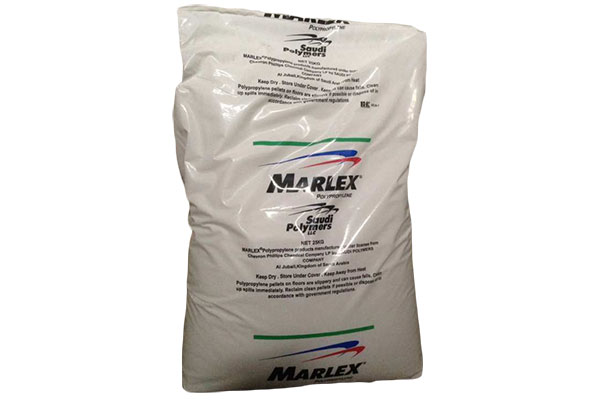
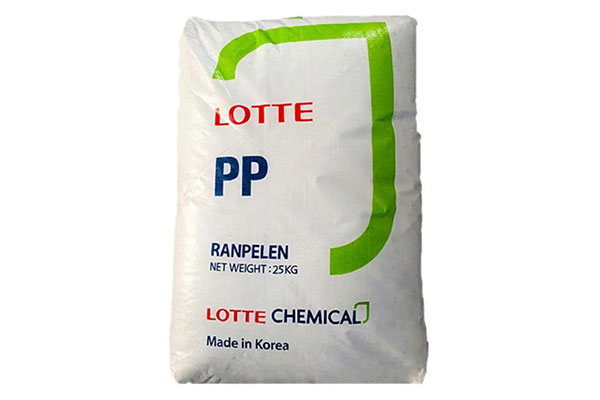
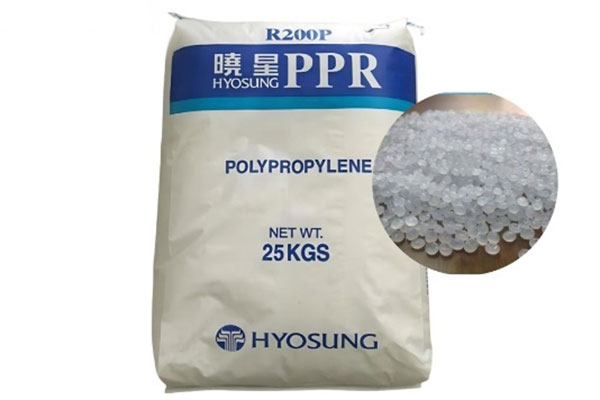
Would Like The Quotation
Leave more about your requirements, such as, brands, models, quantity, package, country, etc.
Different Grades of PP Granules for Sale in our Company
| Models | Manufacturer | Melt Flow Index | Applications |
| R200P | HYOSUNG | 0.25 | Hot and cold water pipe |
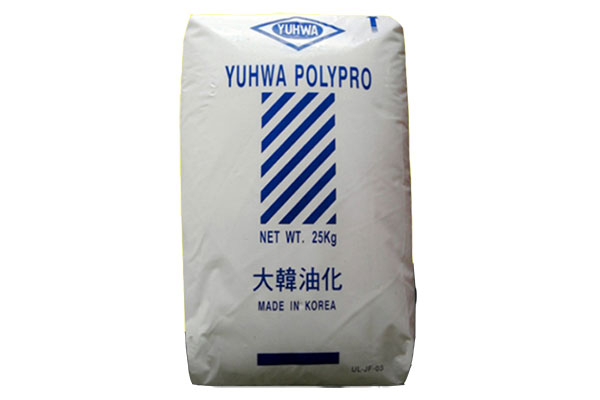
| RP2400 | YUHWA | 0.25 | Pressure pipes, hot water and floor heating pipes |
| PPR3221 | Total | 1.8 | Cosmetics packaging, daily necessities packaging, consumables |
| PPR7220 | Total | 10 | Cosmetic bottle caps, household items |
| RC5003 | POLYMIRAE | 13 | Household items, containers, vases |
| R3410 | LG | 7 | |
| R680S | SK | 28 | Transparent tape, laminate, food packaging applications |
| BH3820 | SK | 28 | Industrial applications, automotive applications, electrical appliances |
| SM198 | LOTTE | 1.6 | Containers, lids, plates, structural parts |
| SM488 | LOTTE | 20 | Containers, storage containers, baby bottles, medical care products, household products |
| SM498 | LOTTE | 20 | Containers, packaging, bottles, large products |
| SM598 | LOTTE | 30 | Storage container, thin wall container |
| RF825MO-12 | BOROUGE | 20 | Disposable diagnostic equipment, medical needles, connecting catheters |
| RF830MO-12 | BOROUGE | 20 | Medical needles, connecting catheters |
| RJ880MO-12 | BOROUGE | 45 | Boxes, bottle caps, medical care supplies |
| BJ360MO | BOROUGE | 60 | Household items, thin wall products, toys |
| RJ766MO | BOROUGE | 70 | Household items, thin wall products, caps |
| 9074ED | ExxonMobil | 24 | Medical packaging, hypodermic syringe components, medical applications |
| 4935 | Sabic | 0.3 | Industrial applications |
| QR673K | Sabic | 25 | |
| QR6731K | Sabic | 25 | |
| 3140NN | IRPC | 11 | Baby bottles, microwave containers, injection stretch blow molding applications |
| 3342R | IRPC | 20 | Food containers, storage boxes, household items |
| 3342M | IRPC | 9 | Containers, bottles, storage boxes, household items, transparent parts |
| 3375RM | IRPC | 24 | Waterproof canvas, BOPP film, paper coating, extrusion coating supplies |
| K4510 | IRPC | 10 | Baby bottles, household items |
| K4510B | IRPC | 10 | Food containers, household items |
| K4510ET | IRPC | 10 | Disposable syringes, medical devices, household products |
| K4527 | IRPC | 27 | Household items |
| K4527B | IRPC | 27 | Household items |
| K4527ET | IRPC | 27 | Disposable syringes, medical devices |
| K4527GR | IRPC | 27 | Disposable syringes, medical devices, household products |
| RPE02M | Lanzhou Petrochemical | 1.3-2.2 | Generally used in pharmaceutical packaging materials |
| EPB08F | Lanzhou Petrochemical | 6.0-10.0 | Suitable for multi-layer co-extrusion process, BOPP/CPP/POF heat sealing layer or metal coating layer, food packaging |
| QPB08 | Qilu Petrochemical | 0.3 | Thin wall corrugated pipe, profile |
| E680E | Shanghai Petrochemical | 8.0±1.2 | Special foam material for car bumper lining |
| E800E | Shanghai Petrochemical | 8.0±1.5 | Special foam material for car bumper lining |
| E800B | Shanghai Petrochemical | 8.0±1.5 | Special foam material for car bumper lining |
| B4002 | Yanan Energy & Chemical Co. Ltd. | 2 | Household appliances, rigid packaging, extreme cold air blown film, extruded round rods |
| K4812 | Yanan Energy & Chemical Co. Ltd. | 12 | Rigid packaging, thin-walled containers, household appliances |
| K4912 | Yanan Energy & Chemical Co. Ltd. | 12 | Rigid packaging, media packaging, household appliances |
| K4220 | Yanan Energy & Chemical Co. Ltd. | 20 | Rigid packaging, media packaging, household appliances |
| K4825 | Yanan Energy & Chemical Co. Ltd. | 25 | Lids and dividers, household utensils, transparent foodware, ISBM bottles |
| K3235 | Yanan Energy & Chemical Co. Ltd. | 35 | Rapid prototyping, household appliances, rigid packaging |
| K3535 | Yanan Energy & Chemical Co. Ltd. | 35 | Rapid prototyping, household appliances, rigid packaging |
| K4835A | Yanan Energy & Chemical Co. Ltd. | 35 | Rapid prototyping, rigid packaging, thin-walled utensils, food containers |
| K4835B | Yanan Energy & Chemical Co. Ltd. | 35 | Household appliances, stretch blow molding |
| K4835C | Yanan Energy & Chemical Co. Ltd. | 35 | Rigid packaging, thin-walled containers, food containers, household containers |
| K4840 | Yanan Energy & Chemical Co. Ltd. | 40 | Lids and dividers, household utensils, transparent foodware |
| K4850 | Yanan Energy & Chemical Co. Ltd. | 50 | Household utensils, containers, lids and partitions, audio and video product packaging |
| K4553 | Yanan Energy & Chemical Co. Ltd. | 53 | Thin wall rigid packaging |
| K4753 | Yanan Energy & Chemical Co. Ltd. | 53 | Thin-walled rigid packaging, audio and video product packaging |
| K4853 | Yanan Energy & Chemical Co. Ltd. | 53 | Thin wall rigid packaging |
| B00RS | Zhenhai | 0.6±0.2 | Packaging materials, insulation materials, auto parts, construction and sporting goods fields |
| E02ES | Zhenhai | 1.7±0.4 | Packaging materials, insulation materials, auto parts, construction and sporting goods fields |
| E07ES | Zhenhai | 1.7±0.4 | Packaging materials, insulation materials, auto parts, construction and sporting goods fields |
| HMS20Z | Zhenhai | 2.2±0.3 | Packaging materials, insulation materials, auto parts, construction and sporting goods fields |
| Models | Brands | MFR | Density |
| Basell RP348S | LyondellBasell | 35 g/10 min(230 °C/2.16 kg) | 0.90 g/cm³ |
| Moplen RP375R | LyondellBasell | 25 g/10 min(230 °C/2.16 kg) | 0.90 g/cm³ |
| Bormed RF830MO | Borealis | 20.0g/10min (230°C/2.16kg) | |
| Borstar RA140E | Borouge | 0.30g/10min (230°C/2.16kg) | 905kg/m³ |
| Borealis RB307MO | Borealis | 1.5g/10min (230°C/2.16kg) | 905kg/m³ |
| Borouge RD265CF | Borouge | 8.0g/10min(230°C/2.16kg) | 900-910kg/m³ |
| Borouge RE425MO | Borouge | 14g/10min(230°C/2.16kg) | 900-910kg/m³ |
| Borouge RH668MO | Borouge | 40g/10min(230°C/2.16kg) | |
| BorPure RJ766MO | Borouge | 70g/10min (230°C/2,16kg) | 905 kg/m³ |
| Yungsox PP5090T | Formosa | 15g/10min (230°C/2,16kg) | 0.90 g/cm³ |
| Clyrell RC213M | HMC | 10g/10min (230°C/2,16kg) | 0.90 g/cm³ |
| Purell RP375RT | HMC | 25g/10min (230°C/2,16kg) | 0.90 g/cm³ |
| RB02CR | HMEL | 2g/10min (230°C/2,16kg) | |
| RB02RR | HMEL | 2g/10min (230°C/2,16kg) | |
| RP01TR | HMEL | 0.3g/10min (230°C/2,16kg) | |
| Topilene R530 | HYOSUNG | 7.0g/10min (230°C/2,16kg) | 0.90 g/cm³ |
| Topilene R601T | HYOSUNG | 12g/10min (230°C/2,16kg) | 0.90 g/cm³ |
| LUBAN RP7204G | Luban | 1.8g/10min (230°C/2,16kg) | 0.90 g/cm³ |
| P655IM | SCGC | 7g/10min (230°C/2,16kg) | |
| RJ770 | TOTAL | 25g/10min (230°C/2,16kg) | 0.91 g/cm³ |
Would like The Quotation?
Leave your demands in detail here(including the model, package, brand, quantity), we will reply you quickly.
What are applications of random PP
Random polypropylene has good compatibility with polyethylene, polypropylene, polybutylene, synthetic rubber, paraffin, asphalt, etc., So it can be blended with them to expand its applications.
Random PP copolymer has been widely used in chemical industry, light industry, textile, medicine, transportation, plastics, agriculture, etc.
High-definition and high-transparency packaging can be produced from random pp through injection molding, blow molding and thermoforming processes.
PP random copolymer combines the strength and chemical resistance of polypropylene PP with enhanced clarity and impact resistance, making it the first choice for applications that require both performance and aesthetics.
From clear containers to medical equipment, its versatility makes it a valuable asset in a variety of industries.
What are Advantages and Disadvantages of Random PP Copolymers
It has excellent comprehensive properties, including high strength, heat resistance, dimensional stability, excellent flexibility at low temperatures, high transparency and high gloss.
Excellent aesthetics and optical performance.
High impact properties at room temperature along with good thermal stability and chemical resistance properties.
Characteristics of lower melt temperature and ease flow can lead to opportunities for process optimization.
Since random polypropylene is amorphous, its solubility is better than that of isotactic polypropylene. Atactic polypropylene is easily soluble in heptane, hexane, pentane and other linear alkanes, soluble in benzene and toluene and other aromatic hydrocarbons, slightly soluble in carbon tetrachloride, chloroform and other chlorinated hydrocarbons and organic solvents, but insoluble in water , ethanol, acetone and other low molecular alcohols and ketones.
Compared with isotactic polypropylene, PPR has an irregular molecular arrangement and a lower molecular weight. It is inferior to isotactic polypropylene in terms of rigidity, heat resistance and chemical corrosion resistance. However, random PP copolymer is better than isotactic polypropylene in terms of flexibility, low temperature resistance, wettability, solubility and processing fluidity.
Random PP copolymers are less stiff than PP homopolymers but have higher impact properties at room temperature.
Random PP has poor mechanical and thermal properties due to its small molecular weight, irregular structure and small cohesion.
How is Random Polypropylene Prepared
Random copolymer polypropylene is copolymerized by heating, pressurizing and catalyzing propylene monomer and a small amount of ethylene monomer. Ethylene monomers are distributed randomly along the propylene chain. The random addition of ethylene reduces the crystallinity and melting point of the polymer, while improving the material’s impact performance, long-term hydrostatic pressure performance, and long-term thermal oxygen aging resistance, making it more suitable for pipe processing and molding. The molecular chain structure and ethylene monomer content of PPR directly affect the long-term thermal stability and mechanical properties of the material. The more randomly the ethylene monomer is distributed in the propylene molecular chain, the more significant the changes in polypropylene properties will be.
FAQs of PP Random
1. What are the key physical and chemical properties of PPR?
Physically, PPR is a translucent to opaque solid with a density of 0.90-0.91 g/cm³, making it lightweight yet strong. It has a melting point of 140-160°C, allowing it to withstand high temperatures without deformation, and a tensile strength of 20-30 MPa, ensuring durability under stress.
Chemically, PPR is inert and resistant to most acids, bases, and organic solvents, making it ideal for transporting water, chemicals, and food-grade materials. It is non-toxic, with no harmful substances leaching into fluids, meeting international food safety standards.
Additionally, PPR has low thermal conductivity, excellent impact resistance, and good flexibility, even at low temperatures (down to -10°C), which prevents brittleness and cracking. Its smooth surface also reduces friction, making it suitable for piping systems with minimal flow resistance.
2. Is PPR safe for drinking water applications?
Yes, Random Polypropylene (PPR) is completely safe for drinking water applications, as it is non-toxic, inert, and does not leach harmful substances into water.
PPR granules contain no heavy metals, plasticizers, or other toxic additives that could contaminate water, even when exposed to high temperatures or long-term use. Additionally, PPR’s smooth inner surface prevents the buildup of bacteria, algae, or scale, ensuring clean and safe drinking water.
Many countries, including China, Europe, and the United States, have adopted PPR as the preferred material for residential and commercial drinking water piping systems, due to its safety and reliability.
3. What is the maximum temperature and pressure PPR can withstand?
Random Polypropylene (PPR) is designed to withstand high temperatures and pressures, making it suitable for hot water and heating systems.
The maximum continuous operating temperature for PPR is 70°C, while it can handle short-term temperatures of up to 95°C without deformation or damage.
When it comes to pressure, PPR’s performance depends on its pressure nominal (PN) rating, which indicates the maximum pressure it can withstand at 20°C. Common PN ratings for PPR include PN16 (16 bar or 232 psi), PN20 (20 bar or 290 psi), and PN25 (25 bar or 362 psi).
At 95°C, PN25 PPR can safely withstand 5.5-6 bar, which is sufficient for most residential and commercial hot water systems.
PN16 is suitable for cold water only, PN20 for moderate hot water (60-70°C), and PN25 for full hot water and heating systems.
4. What are the uses and differences between PPR, PVC, and PE100 in the piping field?
PPR excels in heat resistance (continuous 70°C, short-term 95°C), non-toxicity, and moderate stiffness, making it the top choice for hot and cold water supply and heating systems. PPR pipe has a 50+ year lifespan and heat fusion joints for leak-proof performance.
PVC is the most cost-effective, with good chemical resistance but poor heat resistance (max 60°C), suitable for cold water supply, drainage, and electrical conduits. It is rigid, brittle at low temperatures, has a 20-30 year lifespan, and uses solvent cement connections.
PE100 boasts superior flexibility, low-temperature impact resistance, and high pressure-bearing capacity (up to 1.6MPa), ideal for municipal water supply, drainage, gas pipelines, and trenchless installations. PE100 pipes have a 50+ year lifespan, uses butt or electrofusion connections. And it is non-toxic but less heat-resistant (max 40°C continuous).
In terms of safety, PPR and PE100 are non-toxic and recyclable, while PVC may leach plasticizers and is less recyclable.
Overall, PPR can be used for hot water pipes, PVC can be only used for low-cost cold water or drainage pipes, and PE100 for large-scale, harsh-environment piping.
5. Is PPR environmentally friendly and recyclable?
Yes, Random Polypropylene (PPR) is environmentally friendly and fully recyclable, making it a sustainable choice for piping systems. PPR pipes can be melted and reused multiple times without significant loss of performance. PPR is classified as a Class IV recyclable plastic, and its production requires less energy than metal pipes. During production, PPR manufacturing has low emissions, with minimal VOCs and dust, and production waste can be recycled on-site. When disposed of, PPR can be incinerated without producing harmful gases (only CO₂ and H₂O) or landfilled without leaching toxic substances. Additionally, the long lifespan of PPR pipes reduces the need for frequent replacement, further minimizing environmental impact.
6. What is the difference between PPR and PPR-RCT?
PPR-RCT is an advanced variant of standard PPR, designed to offer improved heat resistance and pressure performance.
PPR-RCT undergoes a modification process that increases its crystalline temperature, allowing it to withstand higher temperatures and pressures for longer periods.
While standard PPR has a maximum continuous operating temperature of 70°C, PPR-RCT can handle continuous temperatures of up to 80°C and short-term temperatures of 100°C.
PPR-RCT also has higher pressure resistance at elevated temperatures. For example, at 95°C, PPR-RCT can withstand higher pressure than standard PPR. This makes PPR-RCT ideal for high-temperature applications such as district heating, industrial process piping, and solar thermal systems.
Additionally, PPR-RCT has better creep resistance, meaning it maintains its shape and strength over time under constant stress.
7. Can PPR pipes be used for outdoor applications?
Yes, PPR pipes can be used for outdoor applications, but they require proper protection to prevent degradation from UV radiation and extreme temperature changes.
PPR is sensitive to UV light, which can break down its molecular structure over time, leading to brittleness and cracking. To protect outdoor PPR pipes, they should be insulated with a UV-resistant material.
Additionally, PPR pipes can withstand low temperatures down to -10°C without brittling, but in areas with extreme cold (below -10°C), it is recommended to use insulated pipes to prevent freezing and bursting.
Outdoor PPR pipes are commonly used for irrigation systems, outdoor hot and cold water supply, and outdoor heating systems.
8. What is the lifespan of PPR piping systems?
The lifespan of PPR piping systems depends on several factors, including the quality of the PPR granules, installation quality, operating temperature, and pressure.
Under normal operating conditions (continuous use at 70°C and pressure within the PN rating), high-quality PPR piping systems can last for 50 years or more. This is supported by accelerated aging tests, which simulate 50 years of use by exposing PPR pipes to high temperatures and pressures. Additionally, avoiding exposure to UV radiation, extreme temperatures, and chemical damage can extend the lifespan of PPR pipes.
- Email: sales@chemategroup.com
- Tel: 0086-371-60921621
- Whatsapp: +86 18624832876
- Wechat: +86 18624832876
- ADD: NO.80 PUHUI ROAD,ZHENGZHOU CITY, HENAN PROVINCE, CHINA