
Maximize Savings: Purchase mLLDPE in Bulk from Chemate
We’re leading supplier and exporter of plastic raw materials from China for more than twenty years, we focus on world popular brands and also China origin polymers, such as Prime, ExxonMobil, DOW, etc. For the products list and mLLDPE price trends, please feel free to contact us.
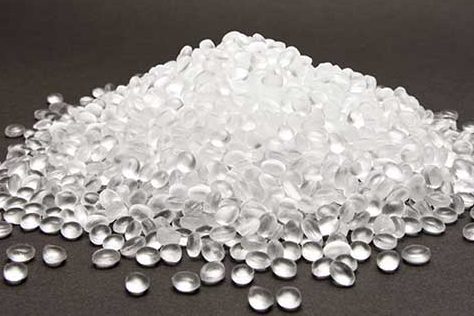
Choose The mLLDPE Manufacturers
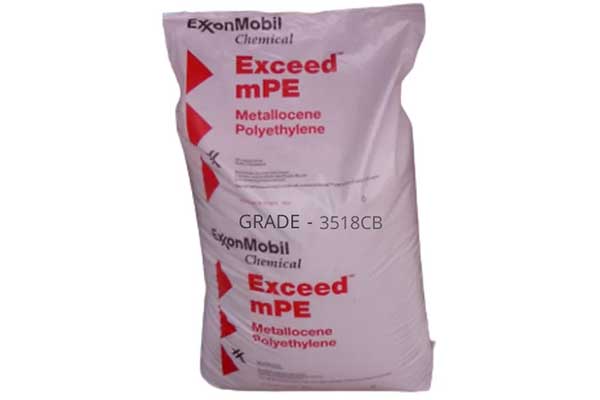
Exxon Exceed™ mLLDPE
Complete models & Competitive price
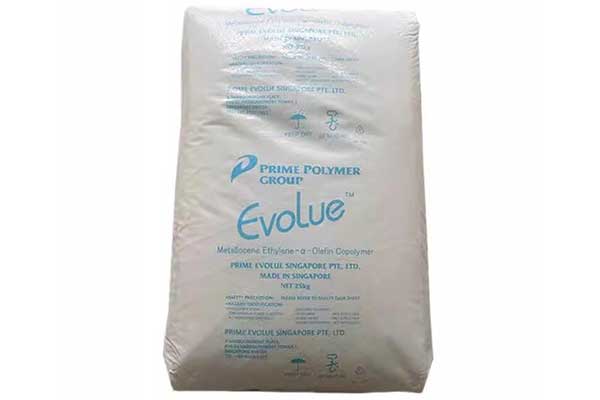
Prime Evolue™ mLLDPE
Complete models & Competitive price
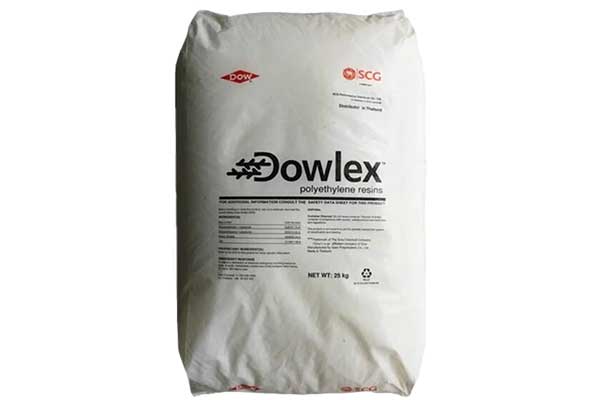
DOW Dowlex™ mLLDPE
Complete models & Competitive price
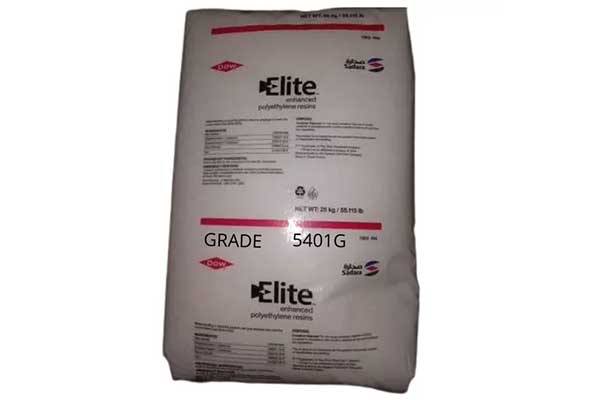
DOW ELITE™ ePE
Complete models & Competitive price
Hot Sale mLLDPE Models in Our Company
What Are Main Applications of Metallocene PE
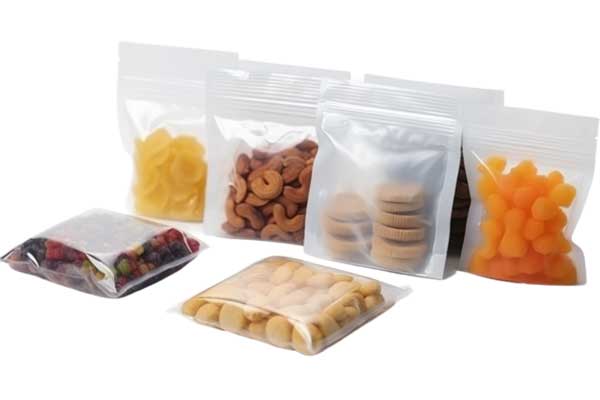
Food packaging. Metallocene polyethylene has a wide range of applications in the field of food packaging.
mLLDPE film has excellent toughness and strength, and can be thinned, thereby reducing raw materials, processing and transportation costs.
In addition, metallocene polyethylene film is compounded with films such as BOPET, BOPP, and BOPA to make retort packaging bags, narrow packaging bags, etc., which are particularly suitable for packaging meat products, convenience foods, frozen foods and other products.
Its low-temperature sealing performance is excellent, which can increase the production speed of automatic packaging machines and is suitable for high-speed bag production lines.
Production of various films
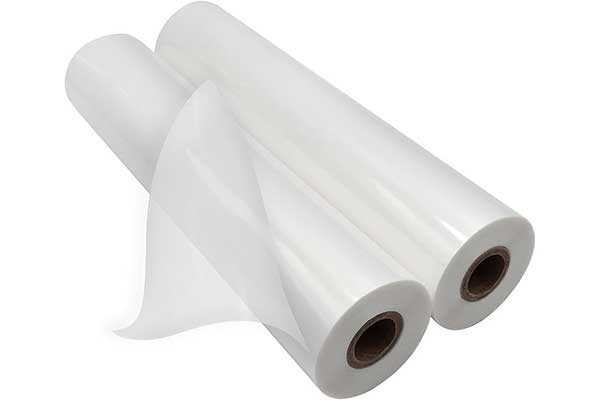
Metallocene polyethylene has a wide range of applications in the production of various films. These films include agricultural films, which are used for agricultural covering and crop protection.
Laminated films are usually used for packaging and insulation. Heat shrink films are often used for commodity packaging and labeling. These films not only have excellent mechanical properties and durability, but also have specific application advantages due to their special chemical structure.
For example, agricultural films can effectively regulate soil temperature and humidity, laminated films have good insulation properties, and heat shrink films can tightly wrap commodities after heating to provide additional protection.
Application in Medical Fields
Metallocene polyethylene has specific applications in the medical field. This material is used to manufacture medical devices and drug carriers due to its unique chemical and physical properties.
For example, it can be used to manufacture implantable medical devices such as artificial joints or heart stents because of its good biocompatibility, which can reduce the body’s rejection of implants.
In addition, metallocene polyethylene can also be used as a controlled release carrier for drugs, helping drugs reach the target site more effectively, thereby improving the therapeutic effect.

Applications in Rotational molding
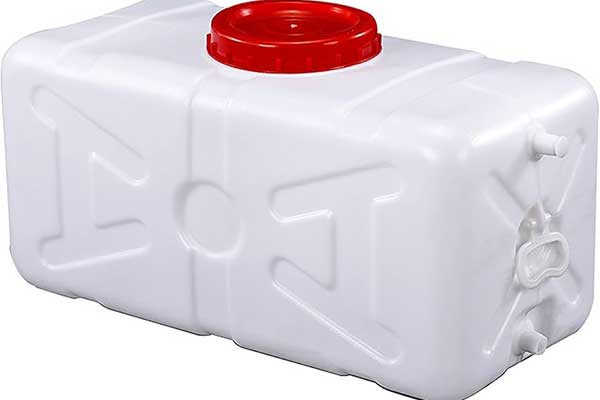
Rotomolding is an important use of metallocene polyethylene. Rotomolding is a plastic processing method in which plastic powder is heated and evenly distributed on a mold, and then cooled and solidified to form a product of the desired shape. Metallocene polyethylene is particularly suitable for rotational molding due to its excellent processing properties and mechanical strength. This method can produce products with complex shapes and high-quality surfaces, and is widely used in storage tanks, containers, furniture and many other products.
Used in Automotive accessories
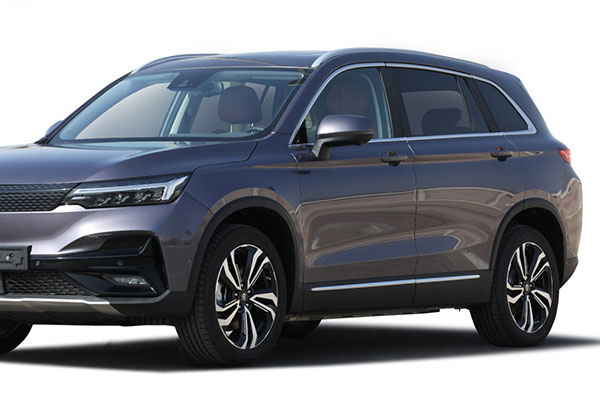
Metallocene polyethylene has a wide range of applications in the field of automotive accessories. This material is widely used in the manufacture of automotive parts due to its excellent chemical resistance, impact resistance and mechanical strength.
For example, it can be used to manufacture automotive bumpers, body shells and interior trims. In addition, metallocene polyethylene also has excellent processing properties and can be easily compounded with other materials, further broadening its application range in automotive accessories.
In general, metallocene polyethylene has become an ideal material for manufacturing automotive accessories due to its superior comprehensive performance.
Use in Wire and cable sheath
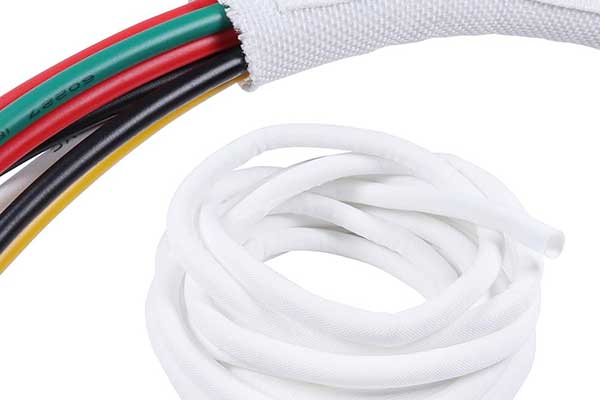
Wire and cable sheath is an important component of wire and cable, used to protect the internal structure of the cable and prevent damage to it by external factors such as moisture and mechanical damage. Metallocene polyethylene (mPE) is a high-performance polyethylene material and is widely used in wire and cable sheath. Its advantages are good anti-aging performance, UV resistance and chemical corrosion resistance, which can effectively protect the internal structure of the cable and extend the service life of the cable. Therefore, the application of metallocene polyethylene in wire and cable sheath has high practical value and economic benefits.
How does metallocene polyethylene perform?

Better transparency and lower haze value. The transparency of polyethylene polymers decreases with increasing crystallinity. When the crystallinity is constant, its transparency increases with increasing molecular weight. Therefore, at the same density, mLLDPE has better transparency and lower haze value than traditional polyethylene.

Better tensile and impact strength. The modulus and yield stress of polyethylene polymers are usually closely related to their crystallinity. Therefore, traditional PE and metallocene polyethylene with similar density generally have similar modulus and yield stress. However, the tensile strength of the two is quite different. Compared with traditional polyethylene, metallocene PE has a larger elongation at break. Impact strength depends on the molecular structure and molecular weight of polyethylene polymers. Since mPE has a larger molecular weight and denser distribution than traditional polyethylene, it has better impact strength.
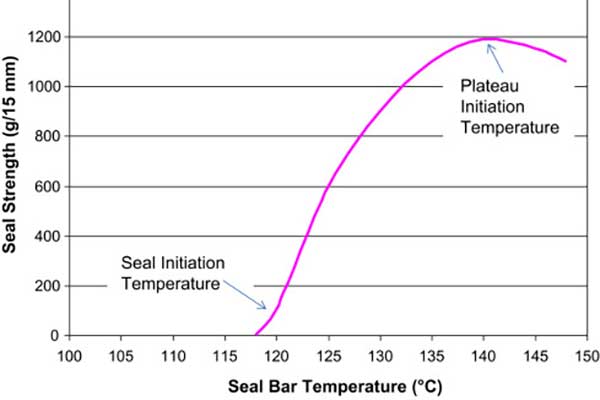
Lower heat sealing temperature and higher heat sealing strength. The melting point of polyethylene polymers is mainly determined by the high molecular weight part with less comonomer. Since traditional polyethylene has a wide molecular weight distribution structure, its melting point is higher than that of metallocene polyethylene at the same density. Therefore, metallocene polyethylene has a lower heat sealing temperature and higher heat sealing strength than traditional polyethylene.
FAQs of mLLDPE
1. What is mLLDPE?
mLLDPE is a linear low-density polyethylene synthesized using a metallocene catalyst. Metallocene linear low density polyethylene use ethylene as the main monomer, combined with C4 (1-butene)/C6 (1-hexene)/C8 (1-octene) α-olefins as comonomers, through a metallocene single-active-center catalyst. It belongs to the third generation of LLDPE, distinct from traditional Ziegler-Natta (Z-N) catalytic ordinary LLDPE. Due to its uniform molecular structure, mLLDPE resin comprehensively surpasses ordinary LLDPE in toughness, transparency, heat-sealing properties, and hygiene, making it a core raw material for high-end packaging films.
2. What are the classifications of mLLDPE?
Classified by comonomer:
C4-mLLDPE (Ethylene-1-Butene): Shortest chain length, high rigidity, lowest cost, moderate toughness. Mostly used in hand-wrapped films and ordinary mulch films.
C6-mLLDPE (Ethylene-1-Hexene): Mainstream in the market, balanced rigidity, tear resistance, and transparency, highest cost-performance ratio. Commonly used in greenhouse films, machine-wrapped films, and food packaging.
C8-mLLDPE (Ethylene-1-Octene): Long chain length, top-tier low-temperature impact resistance, puncture resistance, and environmental stress cracking resistance, highest cost. Used in frozen packaging, medical films, and POE elastomer raw materials.
3. What is the core difference between mLLDPE and LLDPE/LDPE?
The core difference lies in the catalyst type and molecular structure. mLLDPE uses a metallocene single-active-center catalyst, resulting in uniform molecular chain length, regular branching, and a narrow molecular weight distribution. LLDPE and LDPE use Ziegler-Natta catalysts or high-pressure free radical polymerization, resulting in molecular chain lengths of varying lengths, disordered branching, and a wide molecular weight distribution.
In terms of performance, mLLDPE far surpasses LLDPE and LDPE in puncture resistance, tear resistance, low-temperature toughness, heat-sealing performance, and optical properties. But it is slightly more difficult to process and has a slightly higher cost. LDPE has better processing flowability and gloss, but poorer mechanical properties. LLDPE falls between the two, with a relatively lower cost, making it suitable for low- to mid-range applications.
4. Why can mLLDPE achieve “low heat-sealing temperature and high heat-sealing strength”?
On the one hand, metallocene catalysts act like “molecular sieves,” ensuring that mLLDPE molecular chains are of uniform length and have evenly distributed branches. Upon heating, all molecular chains melt simultaneously within a narrow melting range, eliminating the need for high temperatures to accommodate molecular chains of varying lengths, thus resulting in a low heat-sealing initiation temperature.
On the other hand, the uniform molecular chains can fully entangle, forming a “three-dimensional network” without weak points. There are no easily slipping short-chain molecules, and the entire network collectively resists tensile forces. Therefore, the heat-sealing strength is high, even exceeding the sealing strength of the film itself.
5. What is the density range of mLLDPE?
The density range of mLLDPE is typically 0.915-0.940 g/cm³.
- mLLDE with desity of 0.915-0.920 g/cm³: Excellent flexibility, suitable for fresh food preservation bags, low-temperature packaging films, silage packaging films, etc.
- mLLDPE with density of 0.920-0.930 g/cm³: Balanced overall performance, suitable for stretch wrap film, heavy-duty packaging film, agricultural greenhouse film, etc.
- mLLDPE with density of 0.930-0.940 g/cm³: High rigidity, suitable for industrial packaging film, pipes, injection molded products, etc.
6. Is mLLDPE more difficult to process than LLDPE?
Yes, mLLDPE is slightly more difficult to process than ordinary LLDPE. The core reason is its narrow molecular weight distribution and lower melt strength. During blown film and extrusion processes, it is prone to problems such as unstable film bubbles and edge tearing. In addition, its processing temperature range is relatively narrow.
It can be blended with LDPE to utilize the good processing fluidity of LDPE to improve the processing performance of mLLDPE without significantly reducing its mechanical properties.
7. Can mLLDPE be recycled?
Yes, it can be recycled. mLLDPE is a thermoplastic and can be reprocessed through crushing, melting, and granulation after recycling, which aligns with the trend of a circular economy in the plastics industry. Recycled mLLDPE, due to a slight decrease in performance, is mainly used in the production of low- to mid-range plastic products, such as recycled plastic films, plastic buckets, plastic pipes, and toy shells. Some, after modification, can be used in non-food grade packaging, achieving resource recycling.
8. Can mLLDPE be used in food packaging?
Yes. mLLDPE is synthesized using metallocene catalysts, resulting in extremely low catalyst residue. The production process involves no harmful additives, has minimal odor, and meets food safety standards. It can be used for packaging that comes into direct contact with food, such as fresh food preservation bags, frozen food packaging, and vacuum packaging for cooked food.
9. What are the main factors affecting the price of mLLDPE?
1) Raw material prices: Fluctuations in the prices of ethylene and α-olefins are the core factor. Changes in oil prices directly impact the raw material end, affecting the cost of mLLDPE.
2) Market supply and demand: Changes in demand from downstream packaging, agriculture, and medical fields, as well as production capacity, affect price trends.
3) Technological costs: The research and development and production of metallocene catalysts are highly complex, and catalyst costs directly affect the pricing of mLLDPE.
- Email: sales@chemategroup.com
- Tel: 0086-371-60921621
- Whatsapp: +86 18624832876
- Wechat: +86 18624832876
- ADD: NO.80 PUHUI ROAD,ZHENGZHOU CITY, HENAN PROVINCE, CHINA