
Trusted C5 Hydrocarbon Resin Supplier for Your Industry
C5 resin is a type of hydrocarbon resin, which is an aliphatic petroleum resin. Hydrocarbon resin, also known as petroleum resin, is a thermoplastic resin produced by pre-treatment, polymerization, distillation and other processes of C5 and C9 fractions produced as by-products of petroleum cracking. It is not a polymer, but an oligomer with a molecular weight between 300-3000. Petroleum resin is named because it is derived from petroleum derivatives. It has low acid value, good miscibility, water resistance, ethanol resistance and chemical resistance, chemical stability to acids and alkalis, and has the characteristics of good viscosity adjustment and thermal stability. Hydrocarbon resin is generally not used alone, but used as a promoter, regulator, modifier together with other resins.
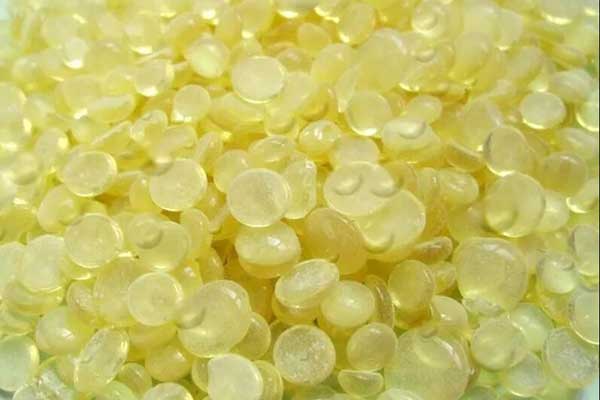
Choose The Suitable C5 Resin
| Item | Road marking paint grade | Adhesive grade |
|---|---|---|
| Physical form | Yellow granule | Yellow granule |
| Softening Point °C | 95~105 | 95~105 |
| Color | 5 max | 5 max |
| Acid Value mgKOH/g | 1 max | 0.5 max |
| Ash Content % | 0.1 max | 0.1 max |
| Melting Viscosity, mPa.s | 250 max | 220 max |
| Packing | Paper bag or Plastic woven sack with inner polythene film, N.W: 25kg, G.W: 25.1kg. Store at a well-ventilated, dry place. | Same as road marking paint grade |
Top Applications for C5 Hydrocarbon Resin
Adhesive. C5 hydrocarbon resin is used as a tackifier in adhesives and is widely used in the structure and decoration of the construction industry, automobile assembly, wood processing, commodity packaging, book binding, sanitary products, shoemaking and other fields. It can significantly improve the bonding strength and heat resistance of the adhesive.
Paint. In paints, C5 petroleum resin can speed up the drying speed of the paint film and improve the water resistance, acid and alkali resistance and surface hardness of the paint film. It can also increase the gloss and adhesion of paint, making the paint surface smoother and more durable.
Rubber. In the rubber industry, C5 resin serves as a tackifier and softener, which can improve the processing performance and physical properties of rubber. It is often used in synthetic rubbers such as styrene-butadiene rubber and butadiene rubber to improve the strength and aging resistance of the rubber.
Tire. In tire manufacturing, C5 hydrocarbon resin can increase the strength and aging resistance of tires, improve their processing performance and physical properties.
asphalt. As an additive to asphalt materials, C5 petroleum resin is used in house construction, sealing and flood control construction, and is especially suitable for the paving of colored pavements.
Anti-rust oil. Among anti-rust oils, C5 petroleum resin has good chemical stability and heat resistance, and can improve the anti-rust and anti-corrosion effects.
Road sign paint. As an auxiliary material for road marking paint, C5 petroleum resin can enhance the toughness, hardness and adhesion of the paint, form a smooth paint surface, and have heat-resistant stability and weather resistance.
Waterproof membranes and waterproof coatings. Among waterproof materials, C5 petroleum resin can improve the water resistance and chemical resistance of the material, and enhance the stability and durability of the material.
Rubber and plastic shoe materials. In rubber and plastic shoe materials, C5 petroleum resin can improve the processing performance and physical properties of the material, and improve the quality and durability of the product.
Packaging Glues and Sealants. In packaging glues and sealants, C5 petroleum resin can improve the bonding strength and heat resistance of materials to ensure reliable packaging and sealing.
Would like The Quotation?
Leave your demands in detail here(including the model, package, brand, quantity), we will reply you quickly.
C5 Hydrocarbon Resin Solutions for Innovative Packaging
Adhesives and Pressure Sensitive Glues. C5 petroleum resin is an important component of many adhesives and pressure-sensitive adhesives and can significantly improve the stickiness and peel resistance of these materials. In the packaging industry, C5 petroleum resin is widely used in the manufacture of hot melt adhesives and pressure-sensitive adhesives. These adhesives play a key role in the bonding process of packaging materials and can ensure the firmness and durability of packaging.
Ink Additives. In printing inks, C5 petroleum resin can be used as a tackifier and rheology modifier to improve the fluidity and adhesion of the ink and improve the printing quality. Its good transparency and low odor properties make it particularly suitable for high-quality print and packaging materials.
Paper Sizing Agent. C5 petroleum resin can improve the strength and folding resistance of paper and enhance the performance of paper products. In the production process of packaging paper, adding C5 petroleum resin can improve the physical properties of the paper, making it more suitable for use in various packaging materials.
Medical containers and packaging materials. C5 petroleum resin is also used in medical containers and packaging materials, such as blood storage bags, liquid drug packaging bags, infusion tubes, etc. By adding C5 petroleum resin, the heat resistance, transparency and softness of these materials can be improved, and their performance can be improved.
Would like The Quotation?
Leave your demands in detail here(including the model, package, brand, quantity), we will reply you quickly.
Revolutionizing Rubber Compounds with C5 Hydrocarbon Resin
Improve wear resistance. C5 petroleum resin can significantly improve the wear resistance of rubber products and extend their service life.
Anti-aging properties. Its excellent antioxidant properties can extend the service life of rubber products and reduce performance degradation caused by aging.
Improve processing performance. C5 petroleum resin can improve the processing performance of rubber and increase production efficiency.
Would like The Quotation?
Leave your demands in detail here(including the model, package, brand, quantity), we will reply you quickly.
What Are Difference between C5 and C9 Hydrocarbon Resin
Chemical structure and physical properties
C5 hydrocarbon resin. It is mainly composed of hydrocarbon compounds containing 5 carbon atoms, such as isoprene and isoprene, and is a non-aromatic compound. It has a small molecular weight, a relatively simple structure, a low degree of unsaturation, a light color, a small odor, a low softening point, and good water resistance and chemical resistance. It has strong adhesion and good melt fluidity.
C9 hydrocarbon resin. It is polymerized from aromatic hydrocarbons or olefins containing 9 carbon atoms, contains more benzene ring structures, has a complex structure, a high degree of unsaturation, a darker color, a larger odor, and a higher softening point and melting point. It has good heat resistance, and has excellent hardness and anti-aging properties.
Application areas
C5 petroleum resin. It is often used to manufacture products with high requirements for odorless or low odor, such as hot melt adhesives, pressure-sensitive adhesives, printing inks, road marking paints, etc. It is particularly suitable for occasions with high requirements for environmental protection and safety.
C9 petroleum resin. It is mainly used in paints, anti-corrosion coatings, shoe adhesives, road marking paints, etc. It is also used to improve the performance of asphalt and as a modifier for plastics and rubber.
Performance Differences
C5 Resin. It has a lower melting point and softening point, light color, low odor, good water resistance and chemical resistance, strong adhesion, excellent solubility and compatibility. It has advantages in products that require low odor and high transparency.
C9 Resin. Due to its more benzene ring structure, it generally has a higher softening point, melting point and color, and a relatively strong odor, but better heat resistance, hardness and anti-aging properties. It is mainly used in paints, anti-corrosion coatings, rubber product modifiers, and certain types of hot melt adhesives and ink products.
FAQs of Petroleum Resin
1. What is C5 petroleum resin?
C5 petroleum resin is a low-molecular-weight thermoplastic resin produced by catalytic polymerization of C5 fractions (mainly containing olefins such as pentene and pentadiene) from petroleum cracking. It belongs to the aliphatic petroleum resin family and is typically a pale yellow granular resin. It features low acid value, good miscibility, and excellent thermal stability. It is usually not used alone but primarily as a modifier and tackifier, working synergistically with other resins.
2. What is the difference between hydrogenated C5 petroleum resin and ordinary C5 resin?
Hydrogenated C5 resin is a product of ordinary C5 resin processed through a hydrogenation process. The core improvement lies in its performance. Hydrogenated C5 has a lighter color (nearly colorless and transparent), significantly improved resistance to yellowing and aging, further reduced odor, and extremely low volatile content. It is more suitable for applications with stringent requirements for appearance and stability, such as high-end adhesives and hot melt adhesives for food packaging.
3. What is the typical molecular weight range of C5 petroleum resin?
C5 petroleum resins typically have a number average molecular weight between 800 and 2500, falling into the low molecular weight resin category.
Low molecular weight (800-1200) resins offer good flowability and strong initial tack, but lack sufficient cohesive strength.
Medium molecular weight (1200-1800) resins balance initial tack and holding power, making them suitable for most adhesives and rubber applications.
High molecular weight (1800-2500) resins have high softening points and excellent cohesive strength, making them more suitable for coatings, asphalt modification, and other applications requiring high hardness.
4. How to select C5 hydrocarbon resin based on its softening point?
The softening point range for conventional C5 resins is 70-120℃, with hydrogenated products having slightly higher softening points, mostly between 80-130℃.
For rubber processing, choose resins with a low softening point of 70-90℃ to balance tackiness and processing flowability.
For adhesives, choose resins with a medium softening point of 90-110℃ to balance tackiness and stability.
For coatings and asphalt modification, choose C5 resins with a high softening point of 110-120℃ to improve hardness and weather resistance.
5. Is petroleum resin C5 an environmentally friendly material?
Ordinary C5 resin itself contains no heavy metals, formaldehyde, or other harmful substances, making it a low-pollution material. Hydrogenated C5 resin has even better environmental performance due to its extremely low volatile substances and odor. Our C5 resin meets EU RoHS and REACH standards.
6. What are the core performance advantages of C5 resin?
Strong compatibility. It is well miscible with various materials such as natural rubber, synthetic rubber, EVA, and terpene resins.
Excellent adhesion. It can significantly improve the initial tack, peel strength, and holding power of products, and can balance cohesive strength and tack.
Good processing performance and good flowability. It can improve the wettability of the main material, facilitating subsequent processing.
In additon, it has high chemical stability, is resistant to water, ethanol, acids and alkalis, has good thermal stability, and is not easily degraded.
7. What is the main role of hydrocarbon resin C5 in the adhesive industry?
In adhesives such as hot melt adhesives and pressure-sensitive adhesives, C5 resin is a core tackifying component. It enhances the adhesive strength, water resistance, and acid and alkali resistance of adhesives, while optimizing initial tack speed and holding power, helping adhesives achieve strong adhesion to various substrate surfaces. Furthermore, it reduces adhesive production costs and works synergistically with elastomers such as SIS and SBS, giving products both tack and flexibility, making it widely used in hygiene products, carton sealing, and adhesive tape labeling.
8. What are the roles of C5 resin in the rubber industry?
① Tackification: Improves the adhesion between rubber particles and between rubber particles and tire cords, especially suitable for high-requirement products such as radial tires.
② Softening and reinforcement: Improves the processing fluidity and tensile properties of rubber, while enhancing the peel resistance of finished products.
③ Do not affect vulcanization: Has good compatibility with rubber, does not interfere with the vulcanization process or the physical properties after vulcanization, and prevents rubber from sticking to processing equipment.
9. What are the applications of petroleum resin in the coatings and inks industry?
In the coatings industry: It is the mainstream raw material for road marking paints, mainly used in road marking paints. It has strong adhesion to concrete and asphalt pavements, good wear resistance and weather resistance, fast drying, high strength, and can improve the UV resistance of coatings. It can also be used to enhance latex coatings and oil-based coatings, improving the gloss, hardness, and water resistance of the paint film.
In the ink industry: Although not as widely used as C9 resin, high softening point C5 resin can be used in some inks, playing a role in color development, fast drying, and brightening, improving printing clarity and ink stability.
10. What are the advantages of petroleum resin in hot melt adhesives?
Compared with terpene resins, petroleum resin has better compatibility with synthetic rubbers (SIS, SBS), is more competitively priced, and has stronger water resistance and aging resistance.
Compared with rosin resin, hydrocarbon resin has a lighter color, lower odor, is less prone to yellowing, has a lower content of volatile substances, and has better resistance to acid and alkaline environments, making it more suitable for adhesive products used for long-term applications.
11. Can low-softening-point and high-softening-point C5 resins be mixed?
Yes, they can be mixed. The core purpose is to adjust the overall performance of the product. The mixing ratio needs to be adjusted according to requirements.
To improve initial tack, the low-softening-point and high-softening-point resins can be mixed in a ratio of 7:3-8:2.
To enhance holding power and cohesive strength, they can be mixed in a ratio of 3:7-4:6. During mixing, attention should be paid to the compatibility of the two resins, and they must be thoroughly stirred in a molten state to avoid uneven performance.
12. Can C5 hydrocarbon resin be used in water-based adhesives?
Ordinary C5 resin has low polarity and is difficult to use directly in water-based adhesives. It needs to be modified (such as emulsification or graft modification) to prepare a water-based C5 resin emulsion.
13. What are the key factors affecting the quality stability of C5 resin products?
Raw material purity. Impurities in the C5 fraction can lead to a decrease in catalyst activity, affecting the polymerization effect.
Reaction parameter fluctuations. Changes in temperature, pressure, and monomer concentration directly lead to uneven molecular weight distribution, affecting product performance.
Post-processing. Incomplete devolatilization leaves behind low-molecular-weight compounds. Insufficient drying results in excessive moisture content. All of these reduce product stability.
Equipment performance. The stirring effect and sealing performance of the polymerization reactor, as well as the precision of temperature and pressure control equipment, indirectly affect product quality.
14. What is the appropriate range for the acid value of C5 hydrocarbon resin?
The acid value of conventional C5 resin should be controlled below 1.0 mg KOH/g, while the acid value of hydrogenated products should be ≤0.5 mg KOH/g. Excessively high acid values lead to three major problems:
First, reduced chemical stability, making the product prone to water absorption, yellowing, and aging.
Second, affecting compatibility with substrates, especially causing corrosion to alkaline substrates (such as some rubbers and plastics), reducing bond strength.
Third, potentially interfering with subsequent processing, affecting the final product performance.
15. What are some commonly used catalysts in the production of C5 resin?
Friedel-Crafts catalysts (such as AlCl₃ and BF₃) are low-cost and highly active, suitable for producing ordinary C5 resins. However, the resulting product has a darker color and a wider molecular weight distribution.
Metallocene catalysts offer high catalytic efficiency and precise control over molecular weight distribution, producing resins with lighter colors and more stable properties. However, they are more expensive and are mostly used in the production of hydrogenated or high-end C5 resins.
16. Is C5 hydrocarbon resin a hazardous material?
C5 hydrocarbon resin is not a hazardous material and is stable at room temperature.
The product itself has no obvious toxicity, but small amounts of volatile substances may remain from its production process. Long-term exposure to high concentrations of odor may cause respiratory discomfort. Ventilation is necessary during operation.
Avoid direct contact with the molten resin at high temperatures to prevent burns. If skin contact occurs, rinse immediately with water.
- Email: sales@chemategroup.com
- Tel: 0086-371-60921621
- Whatsapp: +86 18624832876
- Wechat: +86 18624832876
- ADD: NO.80 PUHUI ROAD,ZHENGZHOU CITY, HENAN PROVINCE, CHINA