
Home » Defoamer
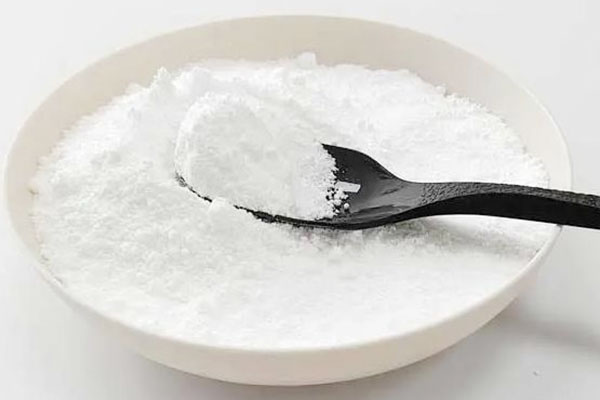
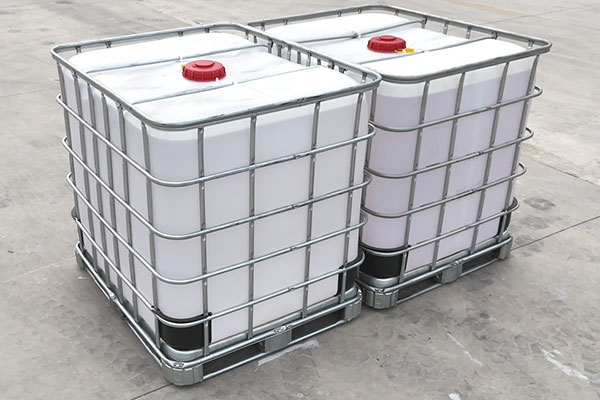
Defoamer Powder & Defoamer Liquid
- Defoamer, also known as defoaming agent, anti foaming agent, are essentially substances that reduce the surface tension of a system, disrupting or inhibiting the formation and persistence of foam. Concrete defoamers are specialized chemical admixtures used to eliminate excessive air bubbles in fresh concrete and cement-based materials. As a professional defoamer manufacturer and supplier, we provide defoamer solutions designed to improve concrete strength, surface quality, and production consistency across ready-mix, precast, and high-performance concrete applications.
- CAS NO.: 9003-13-8
- HS Code.:3402420000
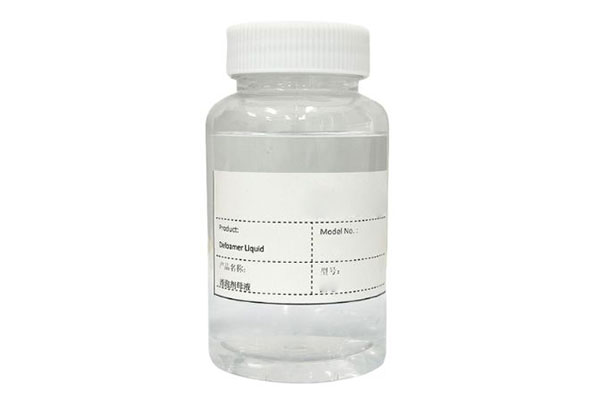
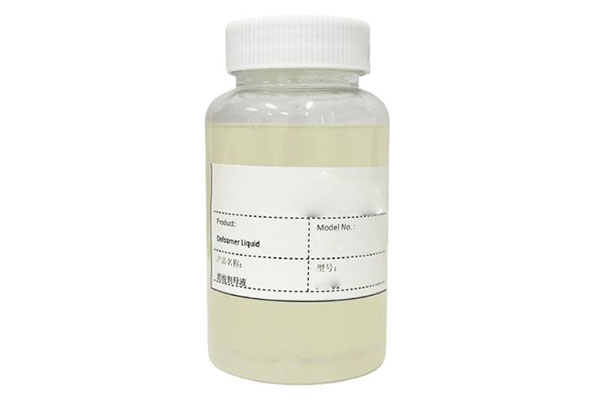
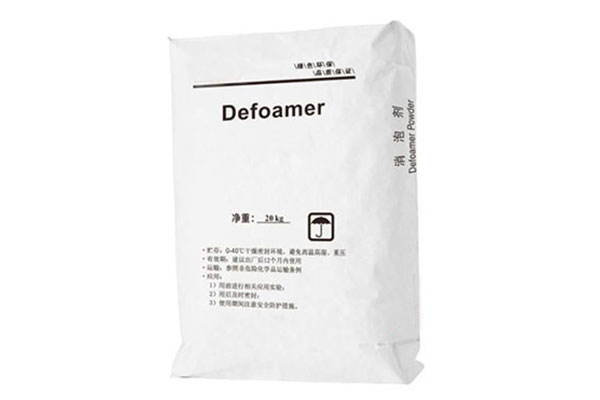
- Main forms: Powder & Liquid
- Appearance: White or light grey powder, transparent liquid
Would like The Quotation?
Leave your demands in detail here(including the model, package, brand, quantity), we will reply you quickly.
What is Defoamer
Defoamers can be classified as single substances or compound products composed of multiple substances, with liquid compound products being the most common. Their core function is not simply to “pop” bubbles, but to destroy the stable structure of foam at its source. They can quickly eliminate existing foam and inhibit the formation of new foam in the long term, thereby avoiding various negative impacts of foam on the production process.
What is defoaming agent used in concrete?
During the production, mixing, pouring, and curing of concrete, a large number of harmful air bubbles are easily generated due to raw materials (such as water-reducing agents and air-entraining agents), mixing processes, and environmental factors. These air bubbles can lead to problems such as the reduction of concrete strength, decreased impermeability, freeze-thaw resistance, and surface sanding or pitting. Concrete defoamers are core additives specifically designed to solve these problems. They must be compatible with the characteristics of concrete systems that are highly alkaline, have high viscosity, and contain multiple cementitious materials. They must also possess characteristics such as high-efficiency foam breaking, long-lasting foam suppression, good compatibility with concrete components, and no interference with the hydration reaction.
As an experienced concrete defoamer supplier, we formulate defoamers that are compatible with modern cement systems and commonly used admixtures. Our concrete defoamers are suitable for a wide range of cementitious materials, including ready-mix concrete, precast concrete, self-compacting concrete (SCC), mortars, and grouts.
What are the main components of anti foaming agent?
Primary defoamer: As the core functional component, it is responsible for directly disrupting the stability of the foam film. Common examples include polydimethylsiloxane, polyether, and mineral oil.
Secondary defoamer: Assists the primary defoamer in improving its foam-breaking and foam-suppressing effects, and enhances the defoamer’s durability.
Carrier: Used to support the primary and secondary defoamers, helping them to disperse evenly in the foaming system and improving compatibility.
Spreader or emulsifier: Promotes rapid spreading of the defoamer on the foam surface, accelerating the foam-breaking process.
Ligand or stabilizer: Used to improve the stability of the defoamer itself, preventing problems such as stratification and inactivation during storage or use.
What are the core types of defoamers specifically for the concrete industry?
Concrete systems are strongly alkaline, water-based dispersions containing cement, fly ash, mineral powder, and various admixtures. This places extremely high demands on the alkali resistance, compatibility, and lack of side effects of defoamers. Anti foaming agents specifically for concrete are mainly classified into four categories: silicone-based defoamer, polyether-based defoamer, polyether-modified silicone-based defoamer, and mineral oil-based defoaming agent. In addition, there are a small number of composite defoaming agent adapted to special concrete scenarios. The core components and structures of each category are designed to match the characteristics of the concrete system, and there are no incompatible types such as fluorocarbon-based or biological-based defoamers.
Silicone-based concrete defoamers
The core components are polydimethylsiloxane, hydrophobic silica, alkali-resistant emulsifiers, and stabilizers. They are formulated as oil-in-water emulsions using a special emulsification process and are the most widely used basic defoamers in the concrete industry.
To adapt to the strongly alkaline environment of concrete, both the emulsifier and stabilizer are made from alkali-resistant raw materials to prevent demulsification and stratification of the defoamer in the concrete system, ensuring dispersibility.
Polyether-based Concrete Defoamers
The core components are alkali-resistant polyoxypropylene-polyoxyethylene block copolymers (such as modified PPE and GPE), co-solvents, and alkali-resistant stabilizers. Some products incorporate polyols to assist defoaming. They contain no silicone oil.
By adjusting the hydrophilic-oleophilic balance of the polyether segments, they are adapted to the high viscosity of concrete systems and can withstand the high temperatures and strong alkalinity of cement hydration.
Polyether-Modified Organosilicon-based Concrete Defoamers
The core components are polyether segment graft-modified organosilicon resin, hydrophobic particles, and alkali-resistant emulsifiers. They are composite modified products of organosilicon and polyether. Combining the core advantages of both, they are currently the mainstream choice for high-end concrete applications.
The modified molecules possess both the low surface tension of organosilicon and the high compatibility of polyether, resulting in significantly improved alkali resistance and stability.
Mineral Oil-Based Concrete Defoamers
The core components are refined white oil or paraffin oil, hydrophobic stearate, and alkali-resistant dispersants. They are inexpensive and a traditional type of concrete defoamer, currently used only for low-grade, low-requirement ordinary concrete applications.
With simple composition and no complex modification processes, they are suitable for cost-sensitive concrete production where appearance and high performance are not critical.
Core Performance Requirements of Concrete-Specific Defoamers
Strong Alkali Resistance. Stable in strongly alkaline systems (pH 9-14) without demulsification, segregation, or failure. Resistant to the alkaline environment of cement hydration, with an effective period covering concrete mixing, pouring, and initial setting.
Dual Defoaming and Suppression Effect. Quickly eliminates immediate foam generated during mixing and simultaneously suppresses secondary foam generated during concrete transportation and pouring due to vibration and pumping. Suppression time is no less than 30 minutes.
Good Compatibility with Concrete Components. When compounded with water-reducing agents (polycarboxylate-based, naphthalene-based), air-entraining agents, retarders, and other admixtures, there are no antagonistic reactions. It does not reduce the effectiveness of admixtures, nor does it affect the workability, fluidity, or water retention of concrete, preventing problems such as bleeding, segregation, and excessive slump loss.
No Side Effects. It does not affect the cement hydration reaction, nor does it reduce the compressive and flexural strength of concrete, nor does it reduce the concrete’s impermeability, frost resistance, or carbonation resistance. After application, it does not cause whitening, sanding, or pitting.
Good dispersibility. It is easily soluble in water-based concrete systems and disperses quickly and evenly during mixing without the need for additional high-speed stirring, and it does not produce agglomerated particles.
Good thermal stability. It withstands the temperature rise during cement hydration, and its defoaming and foam-suppressing effects do not significantly decrease at high temperatures.
Environmentally friendly. It contains no volatile organic compounds, no irritating odor, and no harmful heavy metals, meeting the environmental protection standards for concrete building materials.
What are the main application scenarios of defoamers in the concrete industry?
Concrete defoamers are used in all scenarios, including ready-mixed concrete, on-site mixed concrete, precast concrete components, cement mortar, grouting materials, and self-leveling concrete.
1. Polycarboxylate-basedwater-reducing agent-blended concrete
Polycarboxylate superplasticizer is currently the mainstream admixtures for concrete. They are prone to generating microbubbles and have extremely high compatibility requirements. Defoamers must avoid reducing the dispersion effect of the water-reducing agent and must not affect slump.
Suitable defoamer types: Polyether-modified organosilicon (preferred), high-end alkali-resistant polyethers.
Core requirements: Excellent compatibility, low dosage, no slump loss, while eliminating microbubbles introduced by the water-reducing agent to ensure concrete density.
2. C50 concrete and high-performance concrete
These concretes have extremely high requirements for strength, density, impermeability, and cannot tolerate harmful air bubbles. They often contain admixtures such as fly ash, mineral powder, and silica fume, resulting in high system viscosity and making foam elimination even more difficult.
Suitable defoamer types: Polyether-modified silicone.
Core requirements: Highly efficient foam breaking, long-lasting foam suppression, no impact on strength, compatible with high-viscosity systems, ensuring internal density of concrete.
3. C30 concrete and civil building concrete
Cost-sensitive, no high-performance requirements, only need to eliminate obvious harmful bubbles and avoid surface roughness and low strength.
Suitable defoamer types: Mineral oil-based, ordinary silicone.
Core requirements: Basic defoaming effect, low cost, no obvious side effects.
4. Precast concrete components and fair-faced concrete
Extremely high requirements for surface appearance, while also requiring internal density and meeting strength standards.
Suitable defoamer types: Polyether-modified silicone.
Core requirements: Thorough defoaming, good compatibility, no impact on component strength, some products need to have a “fine-tuning bubble” function, retaining a small amount of beneficial microbubbles to improve freeze-thaw resistance.
5. Cement Mortar / Grouting Material / Self-Leveling Concrete
The system has higher viscosity, making it easier for foam to be encapsulated within the mortar. Self-leveling concrete requires a high degree of surface smoothness, free of pinholes and air bubbles.
Suitable defoamer types: Polyether-modified silicone, alkali-resistant polyether.
Core requirements: Rapid foam breaking and long-lasting foam suppression without affecting the mortar’s fluidity and smoothness.
6. Naphthalene-based and Aliphatic Water-Reducing Agent Compounds
Naphthalene-based water-reducing agents produce a large number of large bubbles, requiring a high foam breaking speed from the defoamer. Compatibility requirements are slightly lower than for polycarboxylate-based agents.
Suitable types: Ordinary silicone, mineral oil.
Core requirements: Fast foam breaking speed, low cost, and rapid elimination of large amounts of large bubbles.
FAQs of Anti foaming Agent
1. What does a concrete defoamer do?
A concrete defoamer removes excessive air bubbles from fresh concrete, improving strength, density, and surface quality.
2. Are your defoaming agent compatible with PCE superplasticizers?
Our defoaming are designed to be compatible with polycarboxylate (PCE) superplasticizers and other common concrete admixtures, like SNF superplasticizer, SLS water reducer, etc. Compatibility testing is recommended to ensure optimal performance in specific mix designs.
3. Does a anti foaming agent affect setting time?
When properly dosed, concrete defoamers do not significantly affect setting time or cement hydration.
4. What is the typical dosage of a concrete defoaming agent?
The dosage typically ranges from 0.01% to 0.3% by weight of cement, depending on formulation and application.
5. Do you supply defoaming agent globally?
Yes. As an international defoaming agent supplier, we provide products and technical support to customers worldwide.
6. What types of Defoamer do you supply?
As a defoamer supplier, we can provide both defoamer powder(SDF-05, SDF-06, SDF-07, SDF-06H, SDF-08T) and defoamer liquid(SDF-17, SDF-P22, SDF-25, SDF-27, SMO-01). They are all polyether-based defoamer. Different formulations are available to suit grouting materials, self-leveling mortar, sealant mortar, out and wall putty, gypsum board, bonded mortar, plaster, waterproof mortar, etc.
7. Can you recommend the right defoamer for my application?
Yes. As an experienced anti foaming agent manufacturer, we can recommend suitable products based on your cement type, admixture system, production process, and performance requirements. Laboratory or field trials are usually suggested to confirm optimal results.
8. What is the minimum order quantity (MOQ) for concrete defoamers?
The minimum order quantity depends on the defoamer type and packaging. For standard concrete defoamer products, the MOQ is typically suitable for commercial production and distribution. Please contact us for specific MOQ details.
9. Do you provide technical data sheets (TDS)?
Yes. All our defoamer products are supplied with complete technical data sheets (TDS) to support product evaluation, formulation, and regulatory compliance.
10. How long is the lead time for defoamer chemical orders?
Lead time depends on product type, order quantity, and customization requirements. The delivery of standard defoamer powder and defoamer liquid is generally available within 15 days.
11. Can you provide samples for testing?
Yes. Samples can be provided for laboratory or pilot-scale testing to evaluate performance before bulk purchasing.
12. What information should I provide when requesting a quotation?
To receive an accurate quotation, it is helpful to provide information such as application type, defoamer form (liquid or powder), estimated annual usage, target market, and any specific technical requirements.
- Email: sales@chemategroup.com
- Tel: 0086-371-60921621
- Whatsapp: +86 18624832876
- Wechat: +86 18624832876
- ADD: NO.80 PUHUI ROAD,ZHENGZHOU CITY, HENAN PROVINCE, CHINA