
Home » Glutaraldehyde Solution
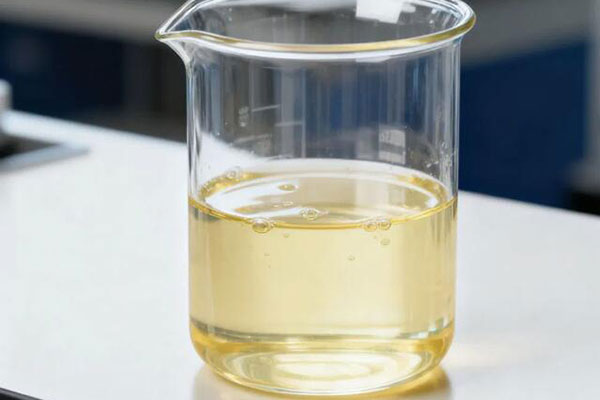
Glutaraldehyde Solution 25% / 50%
- CAS NO.: 111-30-8
- EINECS NO.:203-856-5
- HS.Code: 291219
- Names: Glutaraldehyde, Glutardialdehyde, Glutaric aldehyde, Glutaric dialdehyde, Glutaric acid dialdehyde, Pentanedial, 1,5-Pentanedial
- MF: C5H8O2
- Melocular Weight: 100.12 g/mol
- Concentration, wt%: ≥25%, ≥50%
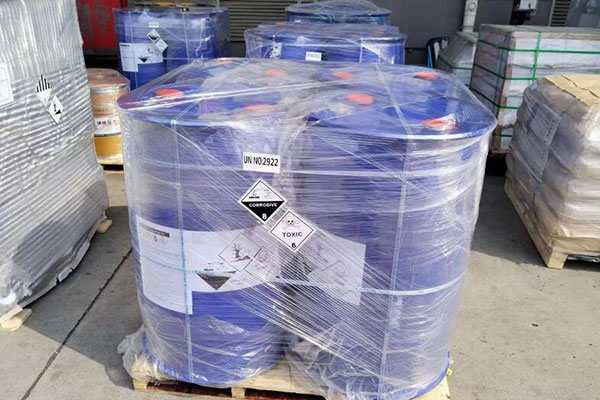
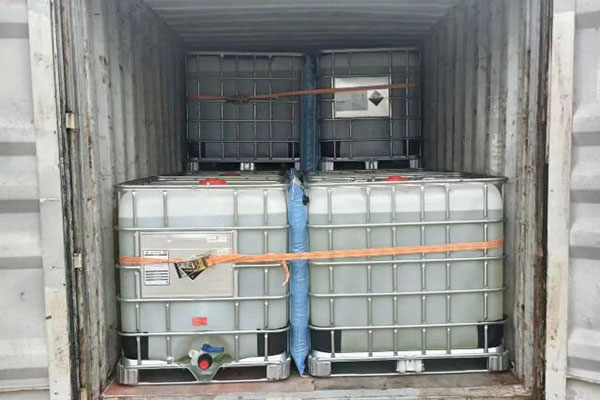
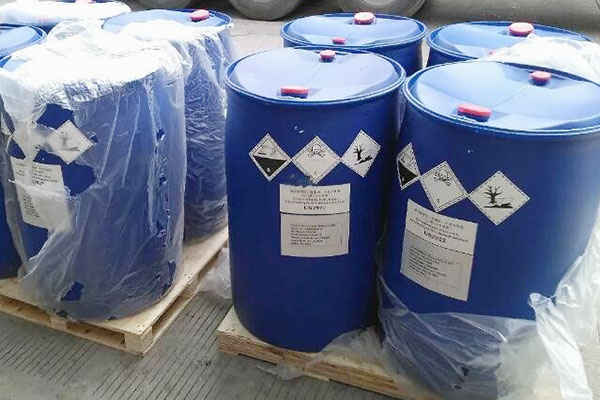
- Package: 208L HDPE drum, net weight 220KG; or 1050L IBC, net weight 1100KG; or 25000KGS ISOTANK.
- Storage: Placed in a cool, dry, and well-ventilated warehouse, away from fire and heat sources, sealed, clearly labeled.
| Item | Standard | low methanol grade |
| Appearance | Colorless to pale yellow oily transparent viscous liquid | |
| Concentration, wt% | ≥25.0; ≥50.0 | |
| Color(Hazen, Pt-Co) | ≤30 | |
| pH | 3.0-5.0 | |
| Methanol, % | ≤3.0 | ≤0.5 |
| Formaldehyde,% | 0 | |
| Density @20°C, g/cm3 | 1.060-1.130 | 1.070-1.136 |
Would like The Quotation?
Leave your demands in detail here(including the model, package, brand, quantity), we will reply you quickly.
Physical Properties of Glutaraldehyde Solution
Appearance and Odor: Pure glutaraldehyde solution is a colorless to pale yellow oily liquid with a distinctive pungent odor. Aqueous solutions are typically clear and may exhibit a slight yellow tint depending on concentration and storage conditions.
Density: The density of glutaraldehyde at 25°C is approximately 1.06 g/mL, while the density of a 50% glutaraldehyde aqueous solution is higher, approximately 1.106 g/mL.
Melting and Boiling Points: The melting point is -14°C (-6°F), and the boiling point is 187°C (369°F). Under standard atmospheric pressure, glutardialdehyde may undergo slight decomposition before reaching its boiling point.
Solubility: Glutaraldehyde is highly miscible with water and also soluble in common organic solvents such as ethanol, diethyl ether, and benzene. Its water solubility makes it easy to formulate into glutaraldehyde disinfectants and processing solutions.
Vapor Pressure: The vapor pressure of glutardialdehyde at 20°C is 17 mmHg, indicating a moderate tendency to evaporate at room temperature. This property necessitates adequate ventilation during handling to minimize inhalation exposure.
Chemical Properties of Glutardialdehyde
The most significant chemical property of glutaric aldehyde is its ability to undergo cross-linking reactions with compounds containing primary amine groups. The reaction proceeds via condensation, where the aldehyde groups (-CHO) of glutaraldehyde react with amine groups (-NH₂) in proteins, nucleic acids, and other biomolecules to form stable covalent bonds. This cross-linking process rigidifies and inactivates the target molecules, which is the basis of its bactericidal and fixative properties.
The reactivity of glutaraldehyde solution is significantly affected by pH. Alkaline conditions (pH 7.5-8.5) enhance its bactericidal activity by promoting the formation of reactive species that facilitate cross-linking. Conversely, acidic conditions (pH < 5) reduce its reactivity, making it more suitable for use as a tissue fixative in histology. Furthermore, glutardialdehyde solution is easily oxidized, especially under light and heat, which reduces its efficacy over time. To mitigate this problem, stabilizers are often added to commercial formulations.
Biological Properties of Glutaric aldehyde
Glutaraldehyde disinfectant is a broad-spectrum biocide, effective against a wide range of microorganisms, including bacteria (vegetative and spores), fungi, viruses, and protozoa. Its mechanism of action involves cross-linking proteins and nucleic acids in microbial cells, disrupting their structure and metabolic processes, ultimately leading to cell death. At appropriate concentrations (typically 2-4% for disinfection), glutaraldehyde can achieve sterilization in a short contact time, even at room temperature, making it an ideal choice for low-temperature sterilization applications.
Another key biological property is its role as a tissue fixative. By cross-linking proteins in biological samples, glutaraldehyde preserves their structural integrity and prevents decomposition, facilitating detailed microscopic examination. This property is widely used in histology, electron microscopy, and biochemical research.
What Is Glutaraldehyde Solution Mainly Used for?
>> Healthcare and Medical Disinfection
The healthcare industry is one of the largest consumers of glutaraldehyde.
As a low-temperature sterilant for heat-sensitive medical devices. A 2% alkaline glutaraldehyde disinfectant solution is commonly used for this purpose, providing rapid sterilization (typically 10-30 minutes at room temperature) and being non-corrosive to metals, glass, and plastics.
In addition to instrument sterilization, glutaraldehyde disinfection is also used for disinfecting environmental surfaces in hospitals, clinics, and laboratories.
It is also used in the preparation of embalming fluids, where its tissue-fixing properties help preserve human and animal specimens.
>> Agriculture and Aquaculture
Glutaraldehyde disinfectant solution, as a highly effective broad-spectrum disinfectant, plays a crucial role in agriculture and aquaculture.
In aquaculture, it is widely used to control bacterial diseases in fish, shrimp, and other aquatic organisms, helping to improve survival rates and yields.
In animal husbandry, glutaraldehyde is used to disinfect livestock housing, equipment, and feeding utensils, especially in the control of major animal diseases such as African swine fever. Its ability to effectively kill viruses and bacteria makes it an important component of modern livestock production biosecurity measures.
In addition, glutaraldehyde disinfectant is used for fogging disinfection and cleaning of poultry houses, helping to maintain a hygienic environment and reduce the risk of disease outbreaks.
>> Oil and Gas Industry
As a non-oxidizing biocide, Glutaric aldehyde is a key additive in oil and gas extraction processes, particularly in water injection operations.
Oil field water injection is used to maintain reservoir pressure and improve recovery rates, but the injected water often contains bacteria that can lead to pipeline corrosion, formation plugging, and reduced production efficiency. Glutaraldehyde solution effectively inhibits bacterial growth, preventing these problems and ensuring the smooth operation of oilfield facilities.
>> Leather and Textile Industries
Glutaraldehyde is widely used in the leather industry as an environmentally friendly tanning agent, providing a viable alternative to traditional chromium tanning agents. Chromium tanning produces chromium-containing wastewater, causing serious environmental pollution and posing a threat to ecosystems and human health. Glutaraldehyde-based tanning processes produce wastewater with lower toxicity and yield high-quality leather with excellent softness, flexibility, and dyeing properties.
In addition, glutaraldehyde is also used in textile processing to improve wrinkle resistance and durability by cross-linking fibers.
>> Other Applications
Biochemistry and Research: As a protein cross-linking agent and enzyme immobilizer, glutaraldehyde is widely used in biochemical and molecular biology research. It is used to fix cells and tissues for electron microscopy, immunohistochemistry, and SDS-PAGE analysis. Furthermore, it is used for the conjugation of antibodies and other biomolecules to prepare diagnostic reagents.
Water Treatment: Glutaraldehyde chemical is used as a biocide in industrial cooling water systems and wastewater treatment plants to control microbial growth, prevent biofouling, and improve treatment efficiency.
Organic Synthesis: As a chemical intermediate, it is used in the production of various compounds such as ketones, pyridine derivatives, and pharmaceuticals.
Electronics Industry: Used in the production of cathode ray tubes as a hardening agent to improve the stability and performance of the tubes.
Comparison of Glutaraldehyde and Sodium Dichloroisocyanurate as Disinfectants
Both glutaraldehyde and sodium dichloroisocyanurate are broad-spectrum and highly effective disinfectants, but they differ significantly in chemical class, disinfection principle, and applicable scenarios.
>> Chemical Class and Disinfection Principle
Glutaraldehyde is an aldehyde disinfectant. It inactivates microorganisms by cross-linking with amino and carboxyl groups in microbial proteins, destroying protein and nucleic acid structures.
Dichloroisocyanuric acid is a chlorine-containing disinfectant. When dissolved in water, it releases hypochlorous acid, which destroys the permeability of microbial cell membranes and interferes with enzyme system functions through oxidation, ultimately killing microorganisms.
>> Bactericidal Spectrum and Efficacy
Both can kill bacteria, fungi, and viruses, but there are slight differences in their effectiveness against bacterial spores.
Glutaraldehyde disinfectant can effectively kill bacterial spores at a concentration of 2-4%, achieving sterilization within 10-30 minutes at room temperature. Dichloroisocyanuric acid disinfectant requires a higher effective chlorine concentration (2000-5000 mg/L) and longer contact time (more than 30 minutes) to effectively kill bacterial spores. In addition, SDIC is particularly effective against algae, showing results in just 8 minutes, an advantage that glutaraldehyde does not possess.
>> Applicable Environment and Temperature Adaptability
Glutaraldehyde is suitable for normal temperature environments. Its disinfection effect is significantly reduced when the temperature is below -6°C, and it can only be used for outdoor disinfection above -6°C.
NaDCC disinfectant can be adapted to low-temperature environments through formula optimization. By adding components such as calcium chloride and ethylene glycol, it can be used in extremely cold environments from -18°C to -40°C, effectively solving the disinfection problems of frozen goods packaging and low-temperature areas.
>> Applicable Scenarios
Due to its good compatibility with metals, glass, and plastics, glutaraldehyde disinfectant solution is primarily used for the sterilization of heat-sensitive medical equipment (such as endoscopes and dental handpieces). It can also be used for surface disinfection in hospital environments and routine disinfection in livestock farms.
SDIC disinfectant has a wider range of applications, including disinfection of aquaculture water bodies (algae control, water purification), low-temperature disinfection in livestock farms, environmental surface spraying, and disinfection of excreta.
>> Safety and Irritation
Glutaraldehyde solution is highly irritating to the skin and respiratory mucous membranes. Long-term or high-concentration exposure may cause health problems such as asthma and sensitization, and it is classified as hazardous waste requiring professional disposal.
NaDCC disinfectant has lower toxicity and weaker irritation, and is not classified as a hazardous chemical. Small amounts of inhalation will not cause harm to the human body, and there are no residues after disinfection, which is more in line with green and environmentally friendly requirements. However, care should be taken to avoid mixing it with acidic substances to prevent the generation of toxic gases.
FAQs of Glutaraldehyde Chemical
1. What is Glutaraldehyde?
Glutaraldehyde, with the chemical formula of C5H8O2, also known as pentanedial, 1,5-pentanedial, is an organic compound characterized by a five-carbon chain with two formyl groups (CHO) at each end. It is a versatile aliphatic dialdehyde that plays a central role in numerous industrial, medical, and scientific applications. This compound is highly valued for its potent biocidal properties, excellent protein cross-linking capabilities, and broad material compatibility.
2. What Is Glutaraldehyde Solution?
In its natural state, glutaraldehyde is a colorless to pale yellow oily liquid with a strong, pungent odor. However, it is rarely used in its pure form and is typically formulated as an aqueous glutaraldehyde solution containing a mixture of hydrates, cyclic derivatives, and condensation products, which are in dynamic equilibrium. Commercially available glutaraldehyde solutions are usually 25% and 50% concentrations.
3. What is the disinfection principle of glutaraldehyde?
Glutaraldehyde mainly exerts its disinfection effect by destroying the cell membrane, protein, and nucleic acid structure of microorganisms. It can undergo cross-linking reactions with active groups such as amino and hydroxyl groups in microorganisms, leading to metabolic disorders and inhibited reproduction of microorganisms, ultimately killing bacteria, fungi, viruses, and other microorganisms.
4. What are the advantages of glutaraldehyde disinfectant compared to other disinfectants?
It is a broad-spectrum and highly effective disinfectant, with killing effects on bacterial vegetative forms, spores, fungi, and viruses.
The disinfection effect is long-lasting and not easily affected by organic matter.
It has low corrosiveness to metal instruments and is suitable for disinfecting precision instruments that are not resistant to high temperatures and pressures.
5. Do temperature and PH affect the effectiveness of glutaraldehyde disinfection?
Yes, they do. Increasing the temperature can improve the disinfection efficiency of glutaraldehyde disinfectant. Generally, the best effect is achieved at 20-30°C. Too low a temperature (below 10°C) will significantly reduce the disinfection effect.
The disinfection activity of glutaraldehyde solution is strongest at a pH between 7.5 and 8.5. The disinfection effect is weaker under acidic conditions, but the solution stability is better.
6. Can Glutaric aldehydebe used for air disinfection?
It is not recommended for routine air disinfection. Glutaraldehyde solution is highly irritating, and atomization will irritate the respiratory mucous membranes, causing cough, chest tightness, and other discomforts. If it must be used, it should be done in an unoccupied environment, and after disinfection, sufficient ventilation is required until the odor completely dissipates before entering.
7. How long can diluted glutaraldehyde solution be used?
Diluted glutaraldehyde solutions have poor stability and should be prepared and used immediately or within the specified time. Generally, a 2% glutaraldehyde solution, when stored in a sealed container in a cool place, can be used for 1-2 weeks. If the solution becomes cloudy, discolored, or develops an odor, it must be discarded immediately and not used further.
8. Is glutaraldehyde a hazardous chemical?
Glutaraldehyde is a hazardous chemical, corrosive and irritating. During transportation, it must be sealed in packaging, and mixing with acids, bases, oxidizers, and other substances should be avoided. Transport vehicles must be equipped with emergency spill response equipment. During storage, it should be placed in a cool, dry, and well-ventilated warehouse, away from fire and heat sources, sealed, clearly labeled, and kept out of reach of children.
9. Can instruments disinfected with glutaraldehyde solution be used directly on the human body in the medical field?
No, they can’t be used directly. A small amount of glutaraldehyde solution will remain on the surface of the disinfected instruments, and direct contact with human tissue may cause irritation or allergic reactions. They must be thoroughly rinsed with sterile saline solution or sterile injection water and dried before being used in clinical procedures.
10. Can glutaraldehyde be used to disinfect food processing equipment?
It is not recommended for disinfecting food processing equipment that comes into direct contact with food. Glutaraldehyde solution has a certain toxicity, and if it remains on the surface of food processing equipment, it may migrate into the food, endangering human health. Dichloroisocyanuric acid disinfectant can be used for disinfecting food processing equipment.
11. What is the purpose of adding corrosion inhibitors to glutaraldehyde solutions?
The main purpose of corrosion inhibitors is to reduce the corrosiveness of glutaraldehyde to metal instruments. Glutaraldehyde itself has a certain corrosive effect on metals such as carbon steel and stainless steel. Adding corrosion inhibitors forms a protective film on the metal surface, reducing the corrosion of the metal by the solution and extending the service life of the instruments.
12. Which items are not suitable for disinfection with glutaraldehyde?
① Rubber products that are not corrosion-resistant. Prolonged immersion may lead to aging and deformation.
② Electronic equipment (such as circuit boards of precision instruments), which may be damaged by short circuits due to solution penetration.
③ Utensils that come into direct contact with food (such as tableware and food processing tools), due to the risk of toxic residue.
13. What factors affect the disinfection effect of glutaraldehyde?
① Concentration: Too low a concentration will reduce the disinfection effect.
② Contact time: Failure to reach the prescribed contact time may not completely kill microorganisms.
③ Organic matter contamination: Bloodstains, pus, and other organic matter on the surface of objects will consume glutaraldehyde, reducing disinfection efficiency.
④ Temperature and pH value: Too low a temperature or a pH value outside the optimal range will affect the effectiveness.
⑤ Solution stability: Deteriorated glutaraldehyde solutions will have significantly reduced disinfection effectiveness.
- Email: sales@chemategroup.com
- Tel: 0086-371-60921621
- Whatsapp: +86 18624832876
- Wechat: +86 18624832876
- ADD: NO.80 PUHUI ROAD,ZHENGZHOU CITY, HENAN PROVINCE, CHINA