
Home » Polyethylene Resin
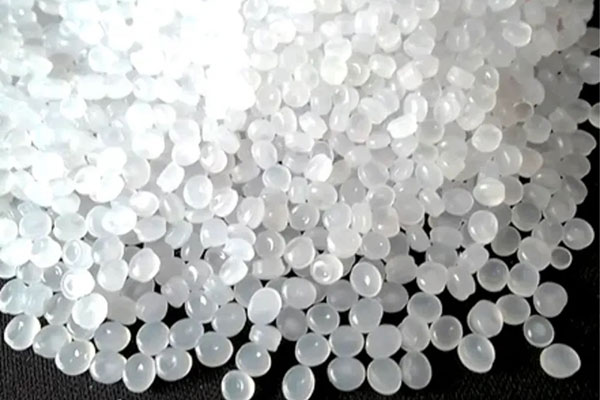
What Is Polyethylene Resin
- LDPE, MDPE, HDPE, LLDPE
Polyethylene resin, referred to as PE resin, is a thermoplastic resin obtained by polymerization of ethylene. In industry, it also includes copolymers of ethylene and a small amount of α-olefins. Polyethylene is odorless, non-toxic waxy while granules, with excellent low temperature resistance, good chemical stability. It can withstand most acid and alkali erosion, low water absorption, and excellent electrical insulation. Polyethylene resin has a wide range of uses, mainly used to manufacture films, packaging materials, containers, pipes, monofilaments, wires and cables, daily necessities, etc. PE resin can also be sued as high-frequency insulation materials for TVs and radars.
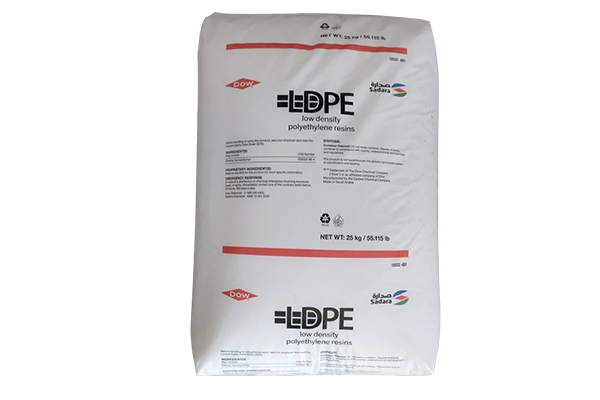
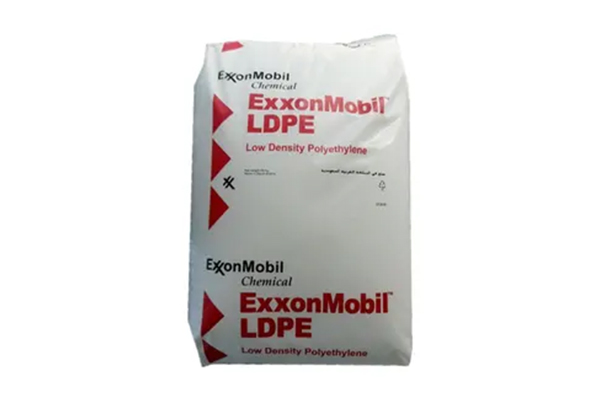
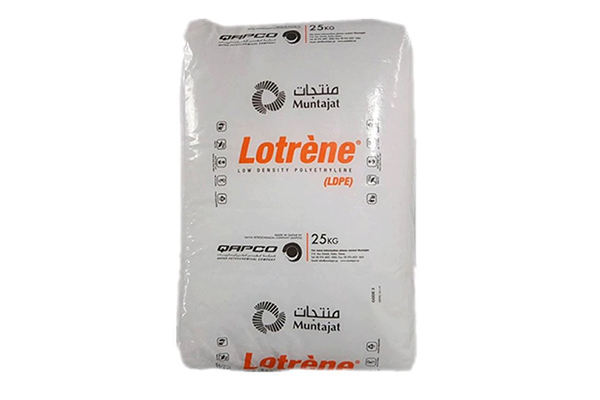
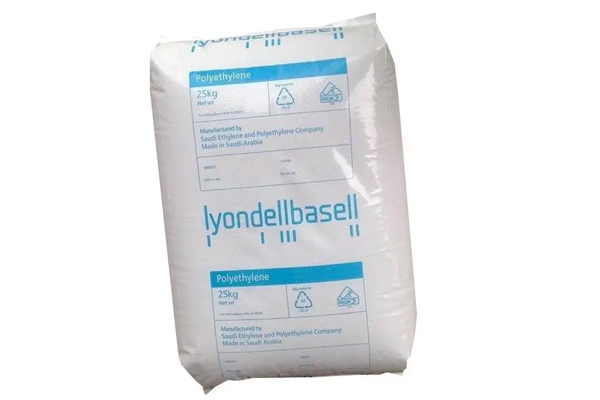
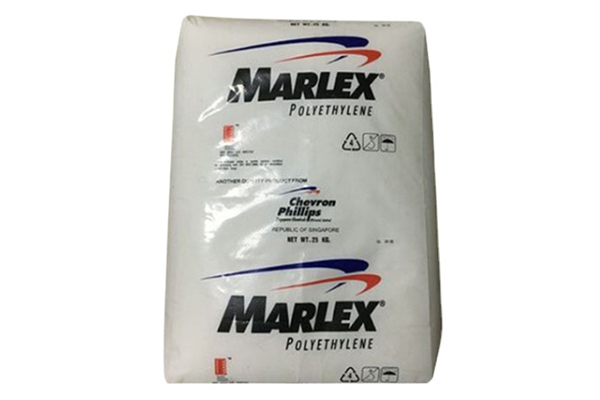
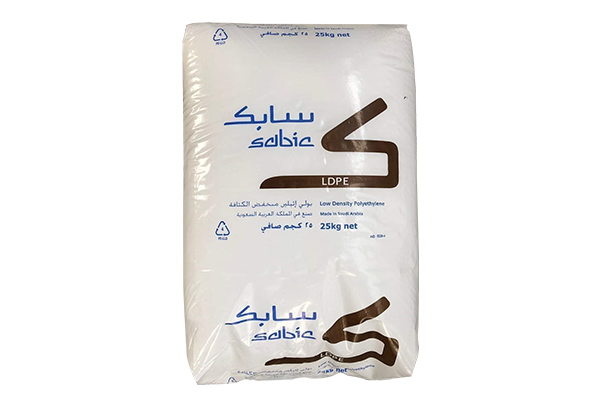
Brands We can Supply




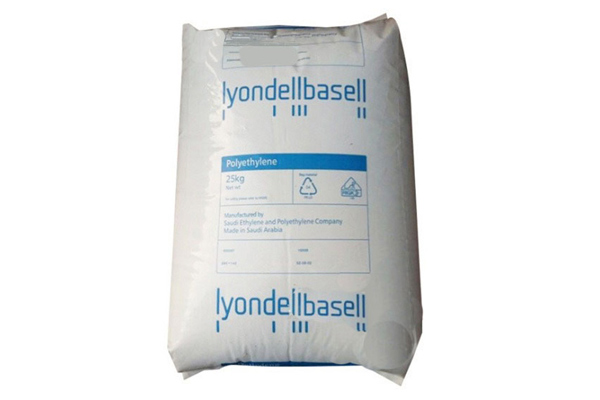
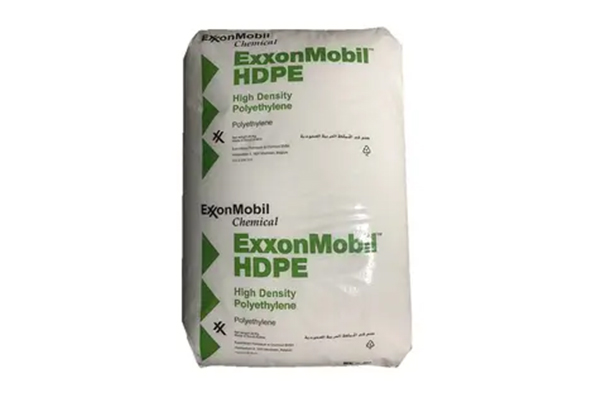
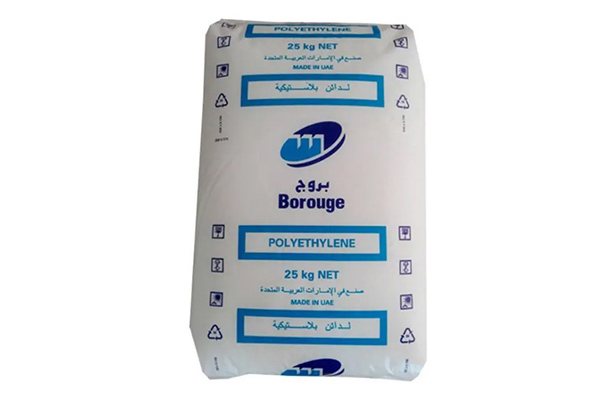
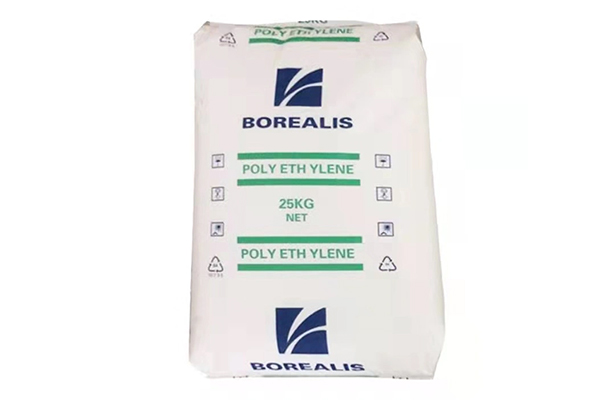
Would Like The Quotation
Leave more about your requirements, such as, brands, models, quantity, package, country, etc.
What Are Types of Polyethylene PE Resin
Polyethylene resin can be divided into high-density polyethylene HDPE resin, medium-density polyethylene MDPE resin, low-density polyethylene LDPE resin and linear low density polyethylene LLDPE resin according to the polymerization method, chain structure and molecular weight.
-
Low Density Polyethylene LDPE Resin
-
Medium Density Polyethylene MDPE Resin
-
High Density Polyethylene HDPE Resin
-
Linear Low Density Polyethylene LLDPE Resin
LDPE is a typical crystalline polymer with a crystallinity of 55%-65% and a melting point of 105~126°C.
LDPE is a non-polar material, which is easy to be charged with static electricity and has low surface energy. Therefore, corona treatment should be carried out before printing and compounding to improve the surface energy. During processing, anti-static should be paid attention to to avoid static electricity accumulation affecting product quality or electric spark discharge , causing a fire.
LDPE resin has excellent transparency and excellent heat sealing performance, and can be widely used in the production of transparent low temperature frozen packaging products.
LDPE has excellent moisture resistance and is a high-quality raw material for making dry food or packaging for items that require good moisture resistance. However, LDPE has a large gas barrier and is easy to pass through various gases.
Although LDPE has certain oil resistance, its oil resistance and organic solvent resistance are not as good as polypropylene. Therefore, when the thickness is small, it is not suitable for long-term storage of gasoline, alcohol, grease, etc. When using LDPE, the thickness should preferably exceed 50mm.
Medium-density polyethylene is a kind of polyethylene with a density of 0.926-0.94g/cm3 and the same performance as LDPE. Due to the increase in density, the crystallinity of MDPE is as high as 70% to 80%. The increase in density and crystallinity increases the melting temperature of MDPE and the hardness and strength of the product. MDPE is between LDPE and HDPE.
The melting point of HDPE high-density polyethylene is 126-136 ° C, and the crystallinity exceeds 90%. Its rigidity, toughness, mechanical strength, solvent resistance and stress crack resistance are better than LDPE. Due to the high strength of HDPE, it is one of the important uses of blown film grade HDPE to be used in garbage bags. HDPE is characterized by high strength and poor transparency.
In addition to some characteristics of LDPE, LLDPE also has the following characteristics.
LLDPE has excellent heat sealability. Although the melting temperature of LLDPE is about 5°C higher than that of LDPE, the heat sealability of LLDPE has good ion-like properties. Therefore, if LLDPE is used as the heat-sealing material, only a lower heat-sealing temperature can be used to achieve highly reliable heat-sealing strength, which is suitable for high-speed heat-sealing machines.
The melt viscosity of LLDPE is quite large, 10 times that of LDPE, and the melt viscosity of LLDPE is not sensitive to temperature, but very sensitive to processing stress. This means that LLDPE cannot reduce the viscosity by increasing the temperature, but can only increase the melt fluidity by increasing the processing speed.
Would Like The Quotation
Leave more about your requirements, such as, brands, models, quantity, package, country, etc.
What Are Application Fields of Polyethylene Resin
Polyethylene film. PE film is more breathable. And as the density increases, its air permeability decreases. PE film has moisture resistance and low moisture permeability. In particular, more than half of the total output of low-density polyethylene is blown into film. This kind of film has good transparency and certain tensile strength. Widely used as packaging materials for various food, medicine, chemical fertilizers, industrial products and agricultural films. PE resin can also be processed into a composite film by extrusion for packaging heavy objects.
Polyethylene hollow products. Polyethylene PE can be made into bottles, barrels, cans, tanks and other containers by blow molding, or can be made into large containers such as tanker tanks and storage tanks by casting. The selection of raw materials for polyethylene hollow products should pay attention to the influence of different densities and different melt flow rate resins on the properties of hollow products.
Polyethylene pipe sheet. High-density polyethylene pipes have high strength and are suitable for underground laying. The extruded sheet can be used for secondary processing, and high density PE can be made into low-foam plastics by foam extrusion and foam injection methods, which can be used as pallets and building materials.
Polyethylene fibers. Generally, low pressure PE is used as raw material and spun into synthetic fibers. It can also be used in industrial acid and alkali resistant fabrics, composite materials for automotive and offshore operations.
Polyethylene resin also has important applications in the electronics industry and is the main material for the manufacture of household appliances such as refrigerators and microwave ovens. Excellent thermal conductivity can effectively reduce the temperature of electronic products and improve the service life of electronic products.
The wear resistance and corrosion resistance of polyethylene resin make it widely used in the automotive industry. It can be used to manufacture body parts, wheels, frame and other parts. It has good structural strength and wear resistance, and can effectively reduce the wear and tear of vehicles.
In addition, polyethylene resin can also be used to manufacture special industry supplies such as printing machines, processing tools, and production tools. It has good corrosion resistance, wear resistance, and anti-skid properties, and can meet various needs of special industries.
Would Like The Quotation
Leave more about your requirements, such as, brands, models, quantity, package, country, etc.
FAQs Of Polyethylene PE
1. What are the characteristics of the chemical structure of polyethylene PE?
Polyethylene has the chemical formula (C2H4)N. Essentially, it is a long-chain polymer formed by the polymerization of a large number of ethylene monomers. ‘N’ represents the degree of polymerization. Different degrees of polymerization affect the molecular weight and properties of PE. Its molecular chain structure is divided into two main types, linear structure (HDPE, LLDPE) and branched structure (LDPE). The regularity of the molecular chain, the number of branches, and their length directly determine the key properties of PE, such as density, hardness, and toughness.
2. What are the core differences between PE and PP/PVC?
Compared to PP: PE has better low-temperature resistance and toughness, but slightly worse heat resistance. PE is softer, while PP is harder and more brittle.
Compared to PVC: PE is non-toxic and odorless, and can be used in food contact applications. PVC contains chlorine, and toxic substances may be generated during production and recycling. It also requires the addition of plasticizers and is generally not used for food packaging. PE has stronger chemical stability and is resistant to acid and alkali corrosion, while PVC is easily corroded by strong oxidizing agents.
3. What are the differences between the three common types of polyethylene (HDPE, LDPE, LLDPE)?
Low-density polyethylene (LDPE): The molecular chain has a branched structure, with a density of 0.910~0.925 g/cm³. It is the softest, has good transparency, and is highly tough. It is mainly used for plastic films, food packaging, and agricultural greenhouse films.
High-density polyethylene (HDPE): The molecular chain has a linear structure, with a density of 0.941~0.965 g/cm³. It has superior hardness, heat resistance, oil resistance, and resistance to environmental stress cracking. It is mainly used for hollow containers, pipes, and woven bags.
Linear low-density polyethylene (LLDPE): The molecular chain has a linear structure, with a density between LDPE and HDPE (0.915~0.925 g/cm³). It combines the toughness of LDPE with the strength of HDPE. It has a good surface gloss and strong puncture resistance. It is mainly used for agricultural films, packaging films, and cable materials.
4. How are the heat resistance and low-temperature resistance of PE resin?
- Heat Resistance: Overall heat resistance is moderate, with a continuous operating temperature of 80~110℃. PE has good thermal stability in inert gases, with a decomposition temperature exceeding 300℃. However, when heated above 50℃, thermal oxygen can trigger degradation, requiring the addition of antioxidants.
- Low Temperature Resistance: PE is one of the plastics with the best low-temperature resistance, with a brittle temperature generally below -50℃ and a minimum tolerance of -140℃. It maintains good toughness and is not prone to cracking in low-temperature environments, making it suitable for use in cold environments.
5. Why the Barrier Property of PE plastic is So Important?
In most applications plastic containers for hollow goods, barrier properties are often very important. Among the barrier properties to various substances, the permeability to oxygen, carbon dioxide, nitrogen, organic solvents, and the permeability to water and water vapor are particularly important in practical applications. They can directly affect the protective effect of plastic containers on the packaged items.
6. What are the processing methods for polyethylene?
Extrusion molding (for pipes, films, cable materials).
Injection molding (for daily necessities, turnover boxes).
Blow molding (for hollow containers, such as plastic bottles).
Rotational molding (for large storage tanks).
7. Can polyethylene be used in food contact applications?
Virgin polyethylene itself is non-toxic, tasteless, and odorless, contains no harmful substances, and meets food contact safety standards. It is one of the most commonly used plastic materials in food packaging. However, PE resin used for food contact must be food-grade, and no harmful additives must be added during the production process.
8. Can polyethylene products be recycled?
PE is a recyclable plastic. After recycling, it can be processed into new PE products (such as plastic pipes, trash cans, recycled plastic films, etc.). The recycling rate of HDPE is approximately 76%, while industrial packaging films and agricultural films with a thickness ≥0.01 mm have higher recycling rates for LDPE.
9. What is the Shelf Life of Polyethylene PE Resin?
Polyethylene resin should have a storage period, generally no more than 12 months from the dat of production.
The PE resin beyond the shelf life has reached the lower limit in terms of various values. But even so, as long as its various values are still within the standard range of the storage period, it can continue to be used. In order to prolong its shelf life, please store the resin away from heat sources. This can reduce the rate of free radical curing initiation and reduce the consumption of inhibitors.
10. What factors affect the price of polyethyleneresin?
Raw material costs: Ethylene monomer prices are significantly affected by international crude oil prices.
Production process, product grade, market supply and demand, and the cost of additives (antioxidants, light stabilizers, etc.).
11. Which brands of polyethylene does our company export?
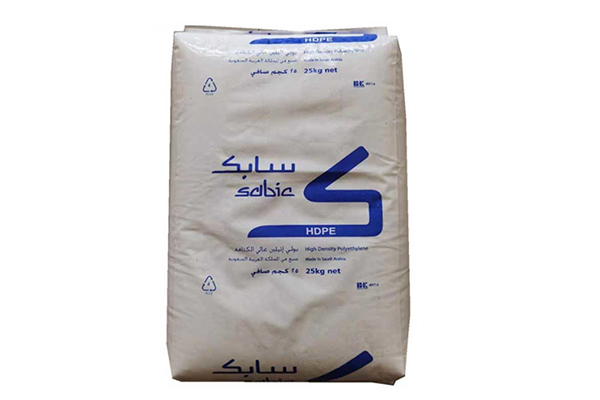
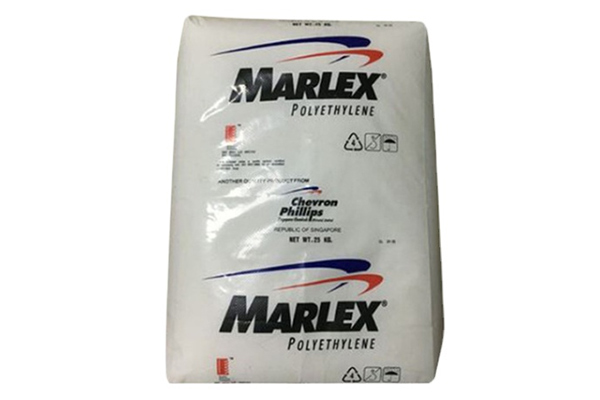
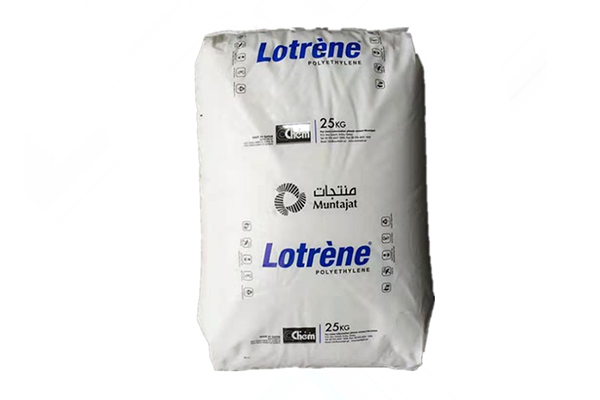
Our company specializes in polyethylene exports, supplying brands including internationally renowned names and high-quality Chinese brands to meet the needs of diverse customers. Internationally renowned brands include SABIC, Lotrene, Dow, ExxonMobil, Marlex, PTT, LyondellBasell, etc., as well as all specifications and models from all production companies under Sinopec and PetroChina. All brands are genuine original products, and brand authorization and product qualification certificates can be provided.
12. What types of PE resindoes your company export?
Our company exports PE resin covering three core types: LDPE, HDPE, and LLDPE, including injection molding grade, extrusion grade, blow molding grade, and film grade, among other processing levels. These can be widely used in food packaging, building materials and pipes, industrial parts, agricultural films, and other applications. Whether it’s general-purpose products or high-end customized products, we can supply them according to your needs.
- Email: sales@chemategroup.com
- Tel: 0086-371-60921621
- Whatsapp: +86 18624832876
- Wechat: +86 18624832876
- ADD: NO.80 PUHUI ROAD,ZHENGZHOU CITY, HENAN PROVINCE, CHINA