
Home » PVC Resin
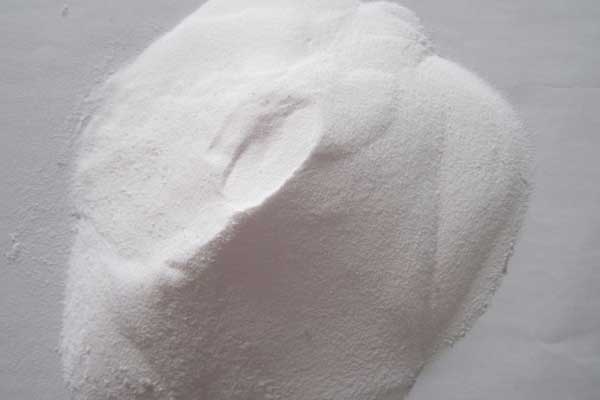
Chemate PVC Resin for Sale
- CAS NO. 9002-86-2
- HS Code: 3904109001
- MF: (C2H3CL)n
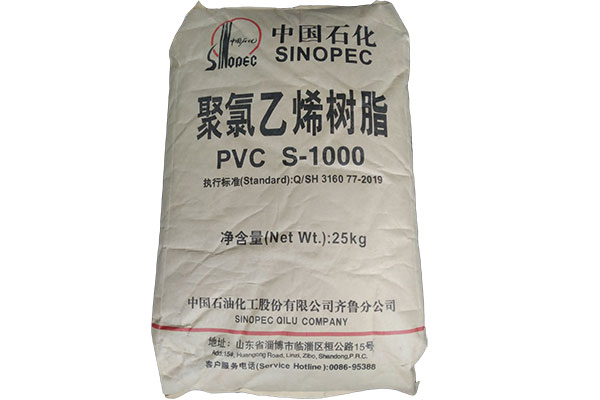
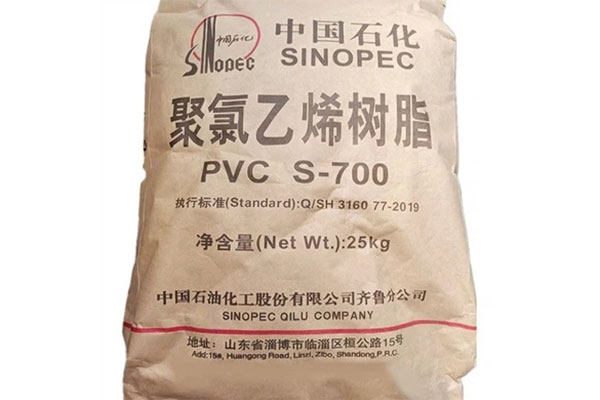
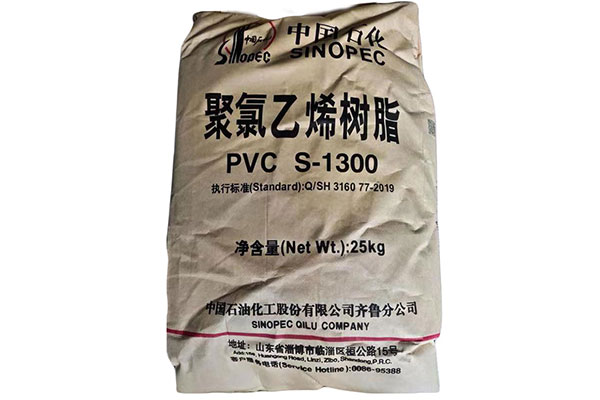
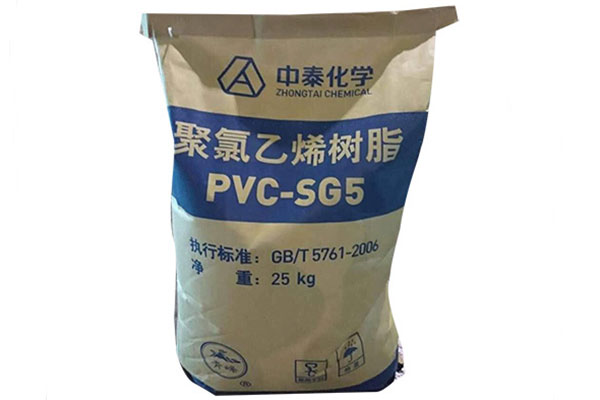
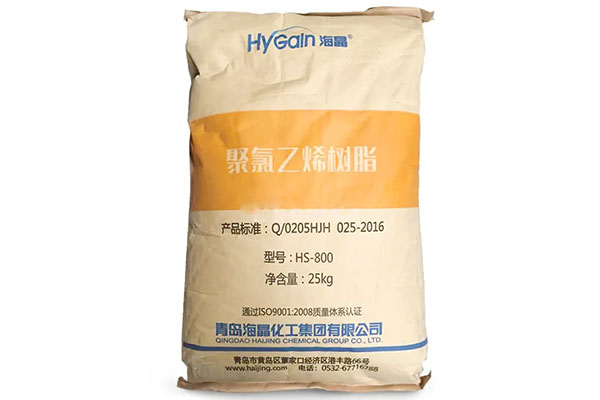
- Main Grades: SG3, SG5, SG7, SG8, S-1000, S-1300
- Brand: Sinopec, Erdos, Tianye
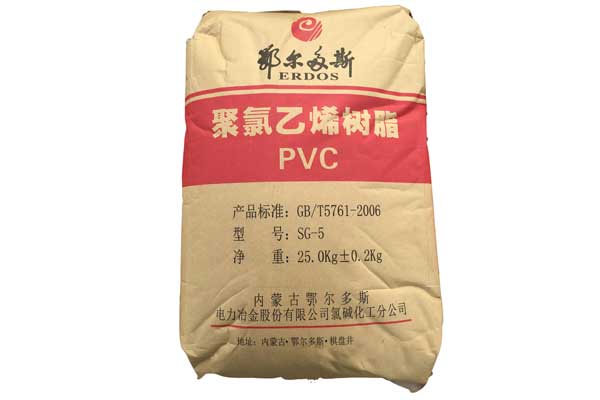
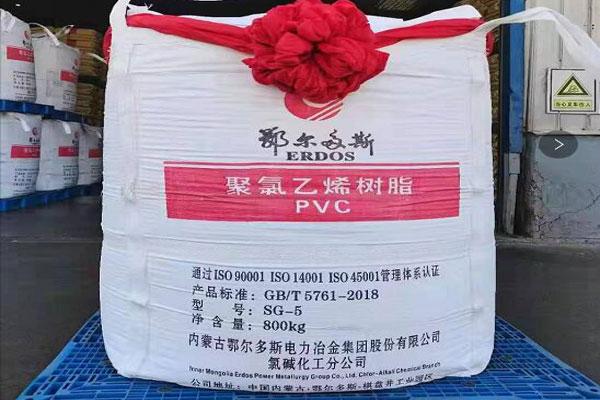
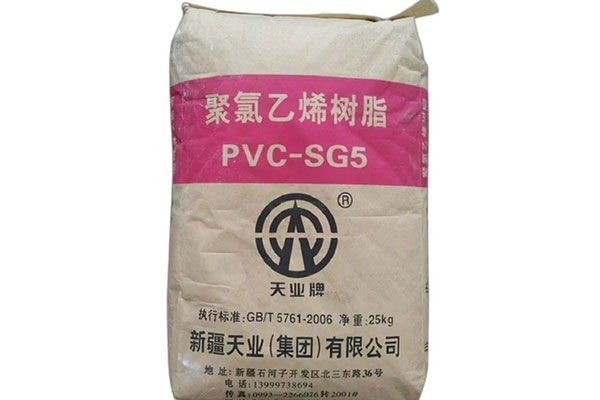
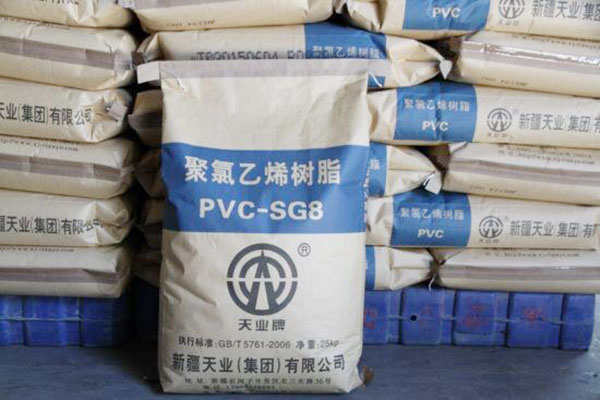
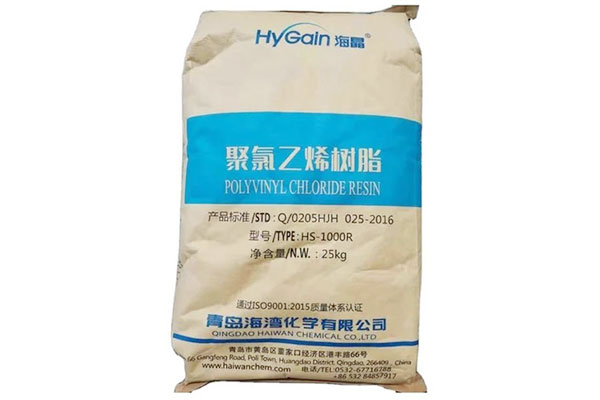
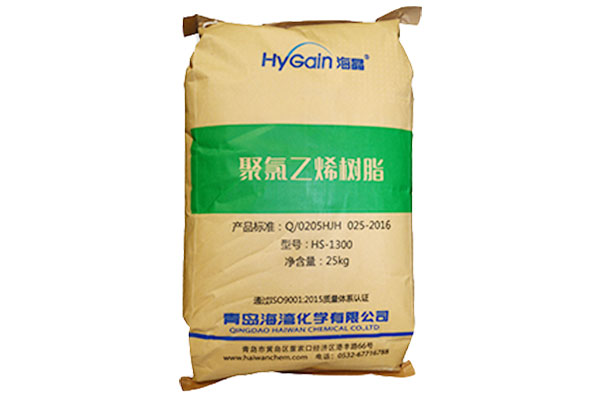
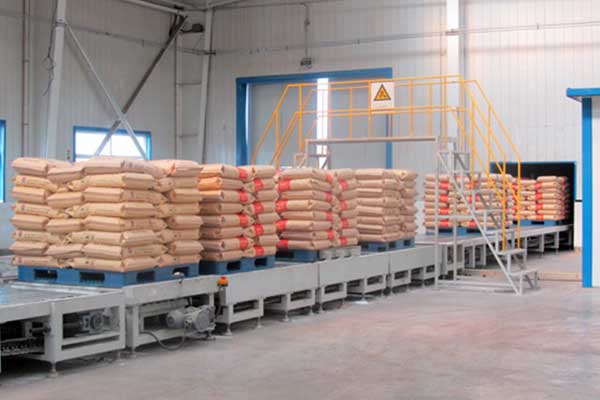
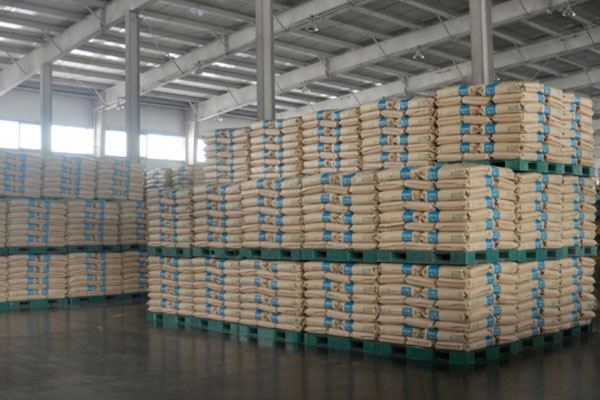
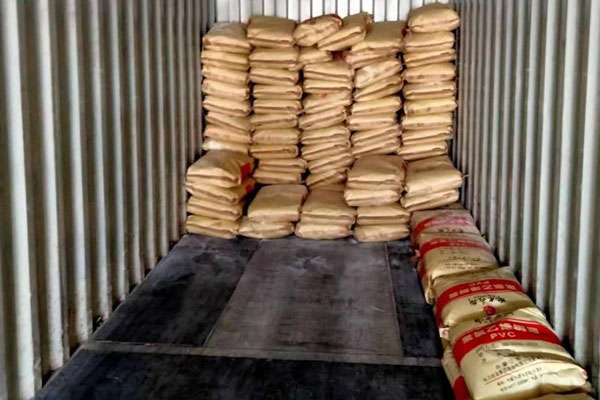
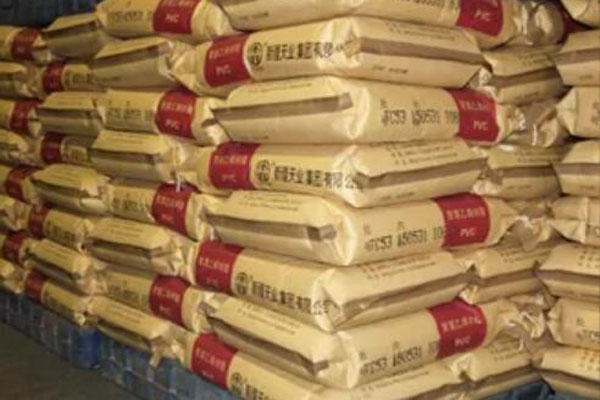
- Package: 25kg bag, 16tons in 20’FCL, 28tons in 40’FCL; 800kg jumbo bag, 16tons in 20’FCL, 27tons in 40’FCL.
- Applications: Production of hoses, leathers, wire cables, shoes, pipes, profile, fittings, panels, injection, moulding, sandals, bottles, sheets, calendaring, rigid injection,etc.
Your reliable PVC Resin Supplier in China

Chemate – A reliable PVC resin supplier in China can supply various specifications of polyvinyl chloride resin you need, including SG3, SG5, SG7, SG8, S-1000 PVC resin, PVC paste resin, etc. If you’d like to get price, then inquiry to tell us the grade or the K-value you need, our professional sales staff will reply you quickly and make quotations based on your requirements. Since different grades of PVC resin can be used in various different industrial fields, it is important to inform us the purpose of the chemical. If you have no idea about which grade you need, then feel free to tell us the application industry, we will recommend you proper model. Most importantly, as an agent of PVC resin factory, we can guarantee to give our customers the most competitive price.
PVC Resin Grades & Package Display
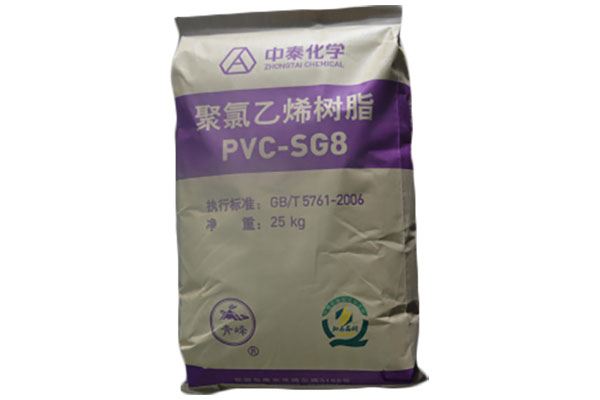
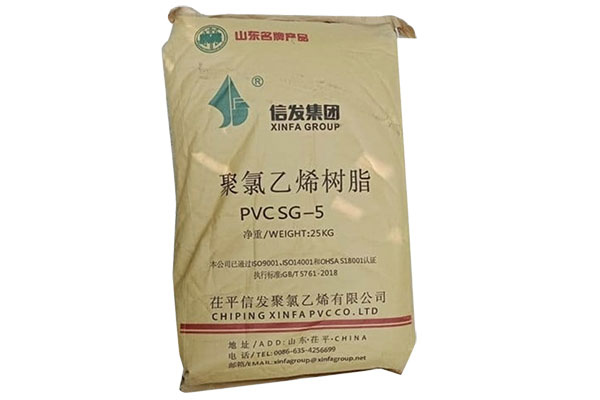
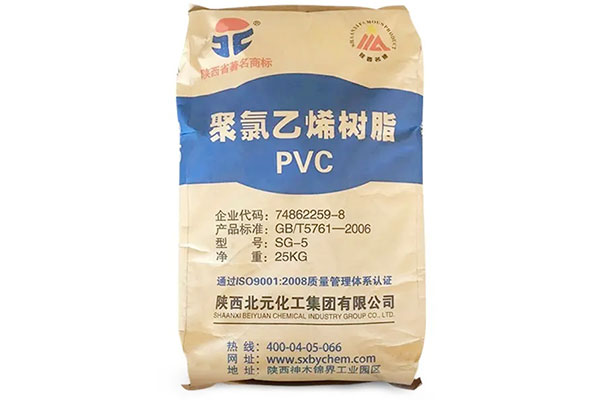
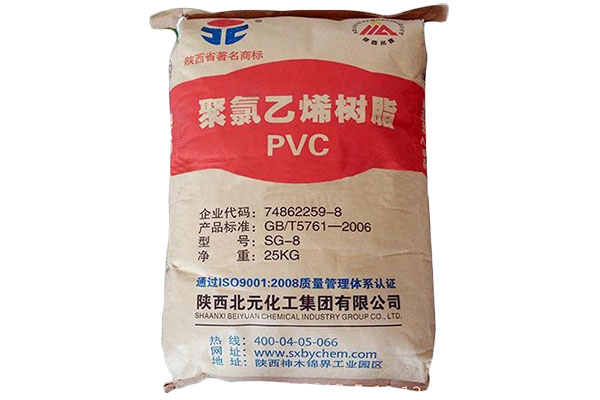
Would Like The Quotation
Leave more about your requirements, such as, brands, models, quantity, package, country, etc.
Technical Specifications of Different PVC Resin grades
| Item | SG3 | SG5 | SG7 | SG8 | |
| Viscosity No. ml/g | 135-127 | 118-107 | 95-87 | 86-73 | |
| K value | 72-71 | 68-66 | 62-60 | 59-55 | |
| Polymerizing Index | 1370-1251 | 1135-981 | 845-741 | 740-650 | |
| Number of impurity particles | 16max | 16max | 20max | 20max | |
| Volatile Matter, % | 0.3max | 0.4max | 0.4max | 0.4max | |
| Apparent Density, g/ml | 0.45min | 0.48min | 0.50min | 0.50min | |
| Number of Fish Eye (/400 cm2) | 20max | 20max | 30max | 30max | |
| Plasticizer absorption of 100g resin, g | 26min | 19min | 12min | 12min | |
| VCM Residue, ppm | 5max | 5max | 5max | 5max | |
| Whiteness(160°C,10min), % | 78min | 75min | 75min | 75min | |
| Particle size | ≥0.25mm | 2.0max | 2.0max | 2.0max | 2.0max |
| ≥0.063mm | 95min | 95min | 95min | 95min | |
Applications:
SG3 is for hoses, leathers, wire cables, shoes and other general purpose soft products.
SG5 is for pipes, profile, fittings, panels, injection, moulding, sandals, etc.
SG7/SG8 is for bottles, sheets, calendaring, rigid injection and moulding pipes.
Would Like The Quotation
Leave more about your requirements, such as, brands, models, quantity, package, country, etc.
SG5 Type is always with the K value from 66-68. So if you are looking for PVC resin K66-68, SG5 is exactly the model you need. You can check more details and inquiry us for the best price.
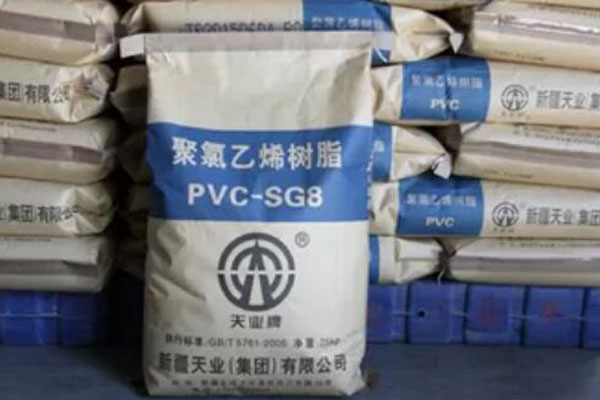
SG8 Type with the K Value of 55-59 is suitable for the production of bottles, sheets, calendaring, rigid injection and moulding pipes. As researches have shown, this type has high apparent density, good oil absorption and excellent plasticizing properties.
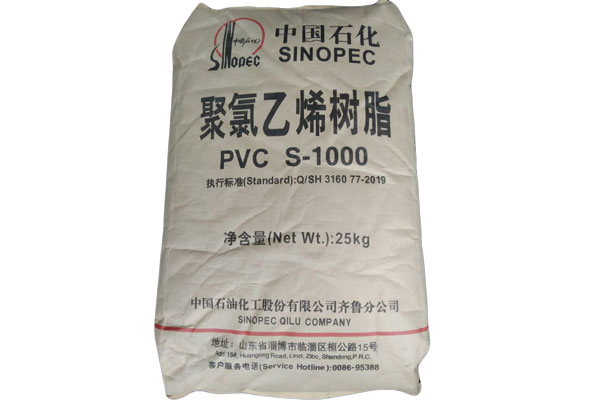
In general, S-1000 type is widely suitable for the production of soft films, sheets, artificial leather, pipes, profiles, cable protection tubes, packaging films, hoses, shoe soles and various soft miscellaneous goods.
S-1300 type is mainly used in the production of wire and cable, electrical insulating materials, cable sheathing, high-strength film products, soft boards and sheets, auto parts, electrical appliances, etc.
Would like The Quotation?
Leave your demands in detail here(including the model, package, brand, quantity), we will reply you quickly.
What Is PVC Resin Powder Used for
PVC general soft products. For the production of hoses, cables, wires, etc. With various molds, we can use them to make plastic sandals, shoe soles, slippers, toys, auto parts, etc.
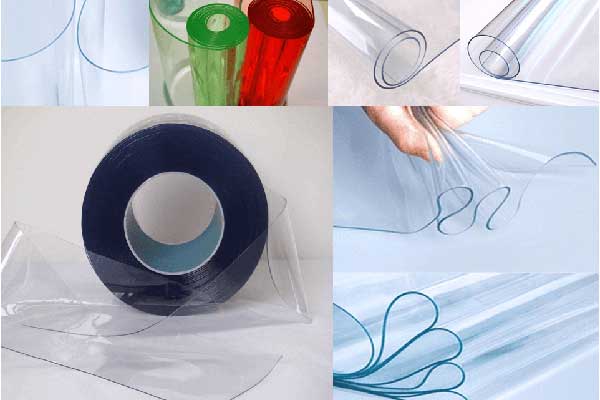
PVC films. After mixing the polyvinyl chloride resin with some special additives and plasticized, it can be used to make a transparent or colored film with a specified thickness. Factory also use pvc films to process packaging bags, raincoats, tablecloths, curtains, inflated toys, etc. The wide transparent film is suitable to make greenhouses, mulching films. The biaxially stretched film has the characteristics of heat shrinkage and can make shrink packaging.
PVC coated products, such as artificial leather. Artificial leather with a backing is made by coating PVC paste resin on cloth or paper, and then plasticizing it at a temperature above 100℃. For artificial leather without a substrate, the PVC emulsion resin is directly rolled into a soft sheet with a certain thickness by a calender. And then press the pattern.
PVC Foam products. When mixing flexible PVC, add an appropriate amount of foaming agent to make a sheet, and then foamed into foam plastic. In adition, it can be used to make foam slippers, sandals, insoles, shock-proof cushioning packaging materials, etc. And it is also the raw material to make low-foam hard PVC boards and profiles. With good performance, it can replace wood as a new type of construction material.
PVC transparent sheet. Add impact modifier and organic stabilizer to polyvinyl chloride resin, and then mix, plasticize and calender them to make transparent sheet. The PVC transparent sheet can be made into thin-walled transparent containers or used for vacuum blister packaging. It is an excellent packaging material and decorative material.
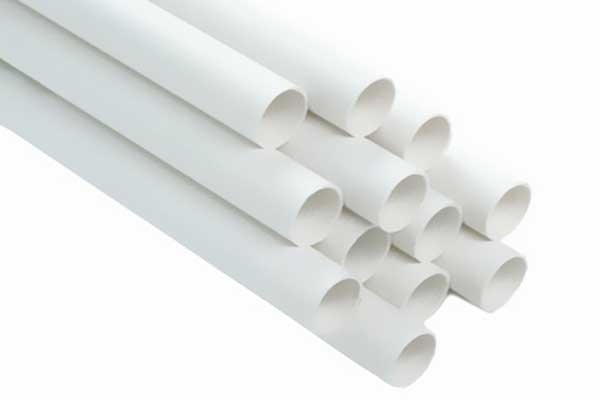
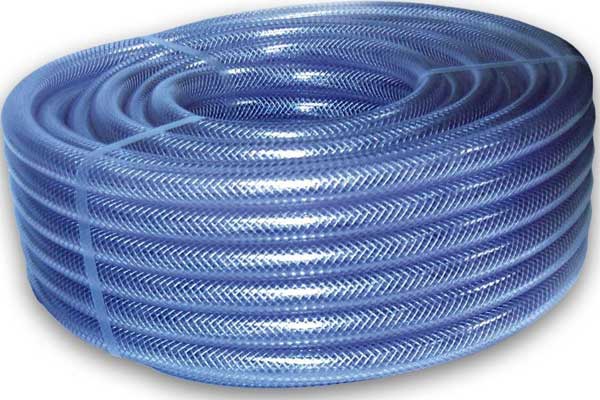
PVC pipe and PVC hose. Adding stabilizers, lubricants and fillers to liquid PVC and mixing them. Then use extruder to extrude hard pipes, special-shaped pipes and corrugated pipes of various calibers. These pipes and hoses can be used as sewer pipes, drinking water pipes, wire casings or staircase handrails. Overlap the calendered sheets, and then use the hot press process to make hard plates of various thickness.
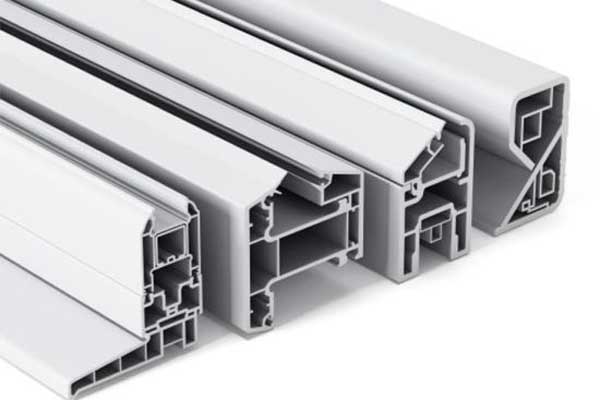
PVC profile. Make hard profiled materials for doors and windows.
Would like The Quotation?
Leave your demands in detail here(including the model, package, brand, quantity), we will reply you quickly.
What are main performances of PVC resin?
It has the characteristics of abundant raw materials, mature manufacturing technology, low price, easy processing and wide application.
Flame retardancy is its greatest feature, so it can be used as the raw material for manufacturing of fire protection equipment.
It has good electrical insulating properties. So it can be used as low-frequency insulating material. In addition, its chemical stability is also good.
It has good mechanical properties. Tensile strength is about 60MPa. Impact strength is 5 ~ 10kJ/m2.
The degree of branching is small. The glass transition temperature is 77~90℃. And the decomposition starts at about 170℃.
The molecular weight of industrially produced PVC powder is generally in the range of 50,000 to 110,000. So it has a large dispersibility. The molecular weight increases with the decrease of the polymerization temperature. There is no fixed melting point. The powder starts to soften at 80-85℃, and becomes viscoelastic at 130℃. It begins to transform into a viscous flow state when the temperature is 160-180℃.
Its stability to light and heat is poor. If it exceeds 100℃ or is exposed to sunlight for a long time, it will decompose to produce hydrogen chloride. And further autocatalytic decomposition will cause fading. Meanwhile, the physical and mechanical properties will also drop sharply. Stabilizers must be added to improve thermal and light stability in practical applications.
It can’t be used alone, but can be mixed with other ingredients to produce various products.
How Is PVC Resin Made?
According to the raw material, the production methods of polyvinyl chloride mainly include calcium carbide acetylene method, petroleum ethylene method and natural gas acetylene method. In addition, the main raw materials are monomeric vinyl chloride, dispersant, deionized water and initiator.
In general, there are three main methods for the synthesis of vinyl chloride monomer. 1. Ethylene oxychlorination with ethylene method with ethylene as raw material. 2. Synthesis of acetylene and hydrogen chloride from calcium carbide. 3. A method of using dichloroethane as a raw material and then cracking the dichloroethane into vinyl chloride.
Production fundamentals. Using calcium carbide as raw material, through three main chemical reactions of calcium carbide hydrolysis reaction, addition reaction of acetylene and hydrogen chloride, and vinyl chloride polymerization reaction. The production device includes reactor, fractionation process, separation process, etc. There are many types of equipment involved. Although the process control route is long, and the control parameters are more complicated. In actually, DCS automatic control help with all of these processes.
Would like The Quotation?
Leave your demands in detail here(including the model, package, brand, quantity), we will reply you quickly.
Inquiry for The Latest PVC Resin Price
Reliable & Professional Factory Agent
Focus in chemical export since 2003.
Quality assurance
ISO9001 international quality standard system certification, ISO14001 environmental management system certification, CE certification, GB/T28001 certification.
Excellent Pre-sales And After-sales Service
Variety complete, timely supply, reasonable price and excellent pre-sales and after-sales service.
Competitive price
PVC resin price usually varies greatly, so please feel free to inquiry us for the latest price now, we will reply you quickly. As the agent of factory, we can ensure the most reasonable and competitive price.
FAQs of polyvinyl chloride PVC Resin
1. What is PVC resin?
PVC resin, with the full name of polyvinyl chloride resin, is a kind of synthetic plastic polymer with large production volume each year. As a result, it is widely used in various plastic industrial fields. Polyvinyl chloride resin is a thermoplastic polymer compound formed by polymerization of vinyl chloride monomer(VCM) or dichloroethane(EDC) under the action of an initiator. Its main component is polyvinyl chloride. Meanwhile, adding some additives to enhance its heat resistance, toughness and ductility. Because of the characteristics of good chemical stability, corrosion resistance and water resistance, polyvinyl chloride is the most widely used raw material in plastic production.
Before using PVC Resin to make finished products, we should convert it into compounds first by adding additives. As we all know, commonly used additives are heat stabilizers, UV stabilizers, plasticizers, heat modifiers, flame retardants, bactericides, foaming agents, etc.
2. What is PVC K value?
In brief, the K value is an index indicating the polymerization degree and molecular weight of polyvinyl chloride. In addition, the viscosity number is also an indicator of the molecular weight of the polymer. Since this product is an amorphous linear polymer compound, it is with various different characteristics. The larger the relatively molecular weight, the higher the viscosity, the better the strength, stiffness, toughness, heat and low temperature resistance of the material, but the worse the molding processability. On the whole, the difference in K value of polyvinyl chloride resin will have a certain impact on the processing technology and product performance. Therefore, when purchasing polyvinyl chloride resin, customers need to choose the suitable grade depends on the K value and applications.
By comparison, K70-75 PVC resin with high K value and higher molecular weight has the best mechanical properties. But it is more difficult to process.
In general, PVC resin k65/k66, PVC resin k67/k68 with suitable K value have a good balance between mechanical properties and processability. So they are the most popular and can meet the needs of the most PVC applications.
Compared to other types of PVC resin, K58-60 polyvinyl chloride with low value has the lowest mechanical properties and the processing is easiest. However, it has many difficulties in the application process.
3. What are the two main categories of PVC resin?
They are mainly classified into two categories based on particle morphology and plasticizer absorption:
Suspension PVC. The most common type, accounting for over 80% of total PVC production. Based on structure, it is further divided into “dense” and “loose” types. Loose PVC has more pores, easily absorbs plasticizers, has better processing performance, and is the most widely used.
Emulsion PVC. The particles are fine, often made into a paste, hence the name “PVC paste resin.” It is used for coating, impregnation, and slush molding processes, such as in the manufacture of gloves, artificial leather, and toys.
4. What are the main grades of PVC resin?
In China, general-purpose suspension PVC resin grades are represented by “SG” followed by a number, where S represents “suspension” and G represents “general-purpose.” The number represents the viscosity range. The higher the number, the higher the average degree of polymerization and the larger the molecular weight, usually resulting in higher product strength, but also increasing processing difficulty.
Internationally, the naming is usually directly linked to the average degree of polymerization, which is very intuitive. For example, S-1000 and S-1300 use internationally accepted naming conventions and refer to general-purpose suspension PVC resins used in rigid products. Different manufacturers may use different modeling systems, but the core is to reflect the resin’s average degree of polymerization and viscosity, which directly affects the product’s processing performance and final mechanical properties.
5. What is the difference between rigid PVC and flexible PVC?
The core difference lies in whether or not plasticizers are added.
Rigid PVC. No or very little (<10%) plasticizers are added. Products made from this type of PVC are rigid and have high strength, such as door and window profiles and water pipes.
Flexible PVC. High levels (up to 40% or more) of plasticizer are added. Products made from this material are soft and elastic, such as wire sheathing, inflatable toys, and hoses.
6. Can PVC be used for food packaging and medical supplies?
Yes, but under strict conditions. Food-grade or medical-grade PVC resin must be used. And all added additives (such as stabilizers and plasticizers) must meet the relevant hygiene standards.
7. How to improve the impact resistance of PVC resin?
Virgin PVC, especially rigid PVC, has poor toughness. The most effective way to improve impact resistance is to add impact modifiers, most commonly chlorinated polyethylene and ACR. They significantly absorb impact energy, preventing brittle fracture of products.
8. What key information is needed when purchasing PVC resin?
Application Areas: Such as manufacturing pipes, profiles, wires, films, etc.
Processing Methods: Such as extrusion, injection molding, calendering, etc.
Product Requirements: Such as rigid or flexible PVC, whether there are special requirements such as food grade or weather resistance.
Target Model: If you have already determined the required model, please tell us directly, and we will provide you with a quote as soon as possible.
9. How to Quickly Select PVC Models by Applications?
1) Rigid Extrusion Products:
Door and window profiles, water pipes, chemical pipelines: SG-5, S-700.
High-strength rigid products: SG-4, S-1000 or higher polymerization degree models.
2) Injection Molded Products:
Pipe fittings, valves, daily necessities: SG-7, S-600, S-800.
3) Flexible Products:
Wire and cable insulation layers, sheaths: SG-3, S-1000, S-1300.
Artificial leather, inflatable toys, and soft films: SG-3, S-1000, S-1300.
High-grade transparent soft products: Requires high resin purity and a high number of fish eyes; SG-3 is commonly used.
4) PVC Paste resin:
P-440, P-450 are used for coating (artificial leather, tarpaulins), dipping (gloves), and slush molding (toys).
10. What are the main types of PVC resin based on K value?
SG-3/K-65: High plasticizer absorption, mostly used in soft products such as cable materials, hoses, and flexible films.
SG-5/K-67: General-purpose mainstream grades, suitable for rigid products such as pipes, fittings, profiles, and sheets.
SG-7/SG-8/K-70: Better flowability and faster processing speed, mostly used in injection molded products and precision parts.
11. What are the main factors affecting the PVC resin price?
Upstream raw material costs: Fluctuations in the prices of ethylene, calcium carbide, liquid chlorine, electricity, and other energy sources.
Production process differences: The cost structures of the ethylene method and the calcium carbide method differ, resulting in different pricing.
Product grades: Prices increase progressively from general-purpose to high-transparency, food-grade, and medical-grade.
Supply and demand: Global plant operating rates, regional import demand, and seasonal demand changes.
Logistics and trade policies: Ocean freight, tariffs, exchange rate fluctuations, and regional trade barriers.
12. What about the delivery for your company’s PVC resin export orders?
Regular full container orders (1–10 containers): 3–7 working days after confirmation of prepayment and order details.
Large-volume long-term orders (500 tons or more): 7–10 working days depending on the production schedule.
- Email: sales@chemategroup.com
- Tel: 0086-371-60921621
- Whatsapp: +86 18624832876
- Wechat: +86 18624832876
- ADD: NO.80 PUHUI ROAD,ZHENGZHOU CITY, HENAN PROVINCE, CHINA