
Home » PET Resin Water Bottle Grade
PET Resin Water Bottle Grade with IV 80 for Sale
Would Like The Quotation
Leave more about your requirements, such as, brands, models, quantity, package, country, etc.
FAQs of PET for Water Bottles
1. What are PET resin water bottle grade?
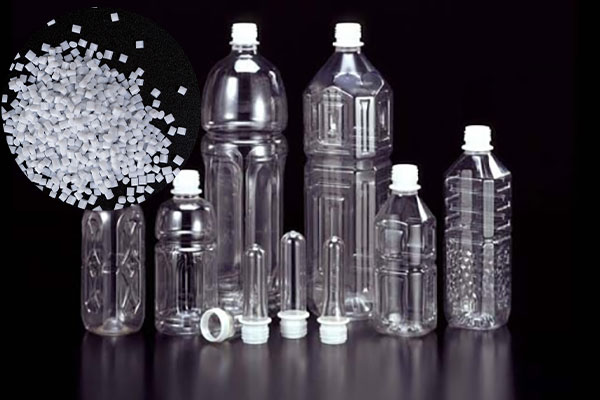
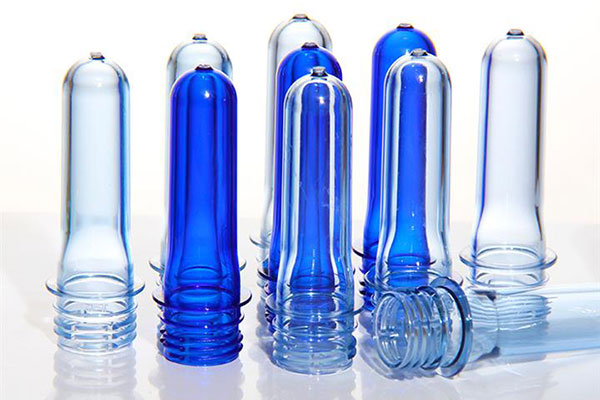
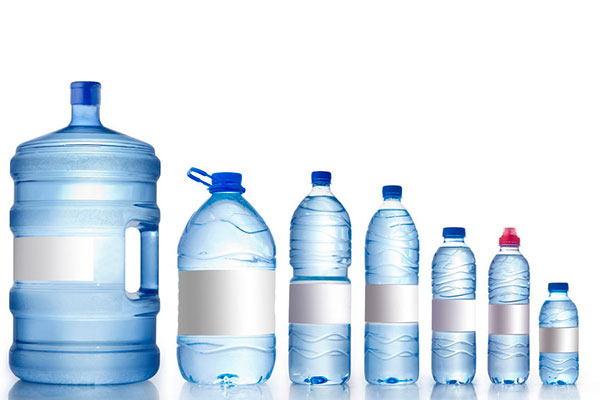
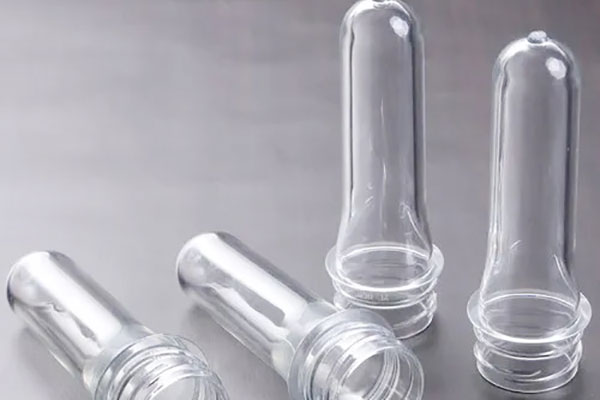
Polyester chips, scientifically known as polyethylene terephthalate (PET), are a granular plastic raw material. The water bottle garde PET resin are typically PET chips IV 80. These tiny PET granules are melted, injected into molds to form PET preforms, and then blow-molded to create the pure and mineral water bottles we commonly see in our daily lives.
2. Why is it necessary to use PET Resin IV80 to produce water bottles?
PET IV80 refers to polyester chips with an intrinsic viscosity (IV value) of 0.80 dL/g. Using IV80 polyester chips to produce mineral water bottles represents the optimal balance achieved through long-term industrial practice and scientific evaluation. It perfectly reconciles the contradictions between processing performance, bottle physical strength, production efficiency, and economy.
IV80 PET resin water bottle grade is the standard choice for ordinary pure water bottles. For carbonated beverage bottles requiring higher strength, chips with a slightly higher IV value (0.82-0.84) may be selected to withstand internal pressure. For hot-fill tea beverage bottles, it is necessary to improve their heat resistance by adding a third monomer or increasing the IV value.
3. Why are PET materials commonly used for mineral water bottles?
Safety and Hygiene: Chemically stable, it does not easily react with the contents, meeting food contact material standards.
Transparent and Beautiful: It presents the clarity of drinking water.
Lightweight and Sturdy: Weighing only 1/10th the weight of a glass bottle of the same volume, it has excellent pressure and impact resistance, greatly reducing transportation costs and breakage rates.
Good Plasticity: PET preforms are easily processed into bottles of various shapes and sizes.
Recyclable: Polyester chips raw material is one of the plastic polymers with the most complete recycling system and the highest recycling value.
4. Are PET for water bottles safe?
PET for water bottles meets food safety standards and is completely safe for use under its designed purpose and conditions.
However, PET bottles are designed for single use and long-term reuse is not recommended. Prolonged reuse, especially after containing hot water, prolonged exposure to sunlight, or physical abrasion, may lead to material aging and increase the risk of hazardous substance migration.
5. Can PET water bottles be recycled?
Yes, polyester chips are one of the most recyclable plastic types.
Applications:
After deep cleaning and advanced processing, they can be reprocessed into food-grade rPET chips for manufacturing new beverage bottles.
Processed into polyester fibers for manufacturing clothing, carpets, stuffed toys, etc.
Made into non-food contact packaging sheets, blister packaging, etc.
Laminated with other materials for manufacturing automotive parts, building materials, etc.
6. Are thinner and lighter PET water bottles of better quality?
This is the lightweighting that environmental technology innovation has been pursuing. Through advanced computer-aided design and optimization of the preform and bottle structure, the amount of material used is reduced while maintaining bottle strength. This not only reduces raw material consumption and carbon emissions but also reduces waste generation.
7. What is the melting point of polyester chips water bottle grade?
Approximately 250 – 255°C. A clear and stable melting point is required to ensure complete melting during injection molding and rapid crystallization and solidification upon cooling.
8. What is the requirement for the acetaldehyde content of PET for water bottles?
Extremely low, typically < 1 ppm. Acetaldehyde, a byproduct of PET chips production, has a sweet taste, and readily migrates into water, affecting its taste. PET for water bottles must effectively reduce acetaldehyde content in the later stages of solid-state polymerization.
9. What is the terminal carboxyl group content of water bottle grade PET materials?
Need to be controlled at a low level (< 30 mol/t). Excessive content accelerates the hydrolytic degradation of PET during processing, affecting molecular weight and viscosity stability.
10. Requirements for water bottle-grade polyester chips in terms of appearance
High transparency and low haze: Mineral water bottles must be clear and transparent, perfectly showcasing the purity of the water. This requires high purity PET material and proper control of grain size.
Color: Usually colorless and transparent, or customized with very light blue, green according to brand requirements, but must not affect the visual perception of the contents.
- Email: sales@chemategroup.com
- Tel: 0086-371-60921621
- Whatsapp: +86 18624832876
- Wechat: +86 18624832876
- ADD: NO.80 PUHUI ROAD,ZHENGZHOU CITY, HENAN PROVINCE, CHINA