Home » Sodium Lauryl Ether Sulfate SLES 70%
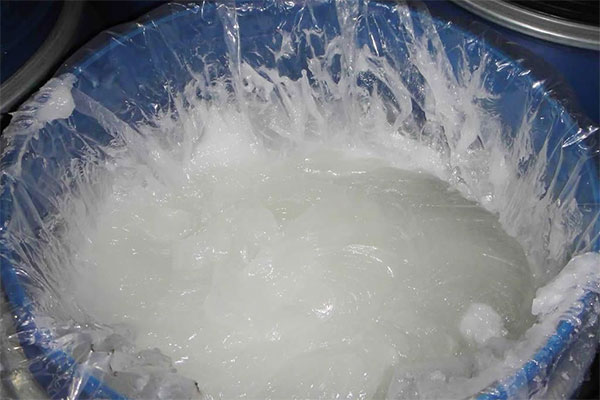
Sodium lauryl ether sulfate SLES 70%
- Other name: AES
- Molecular formula:C16H35NaO5S
- CAS No.:68585-34-2
- HS Code: 34021100
- Appearance: White or Light Yellow Viscous Paste
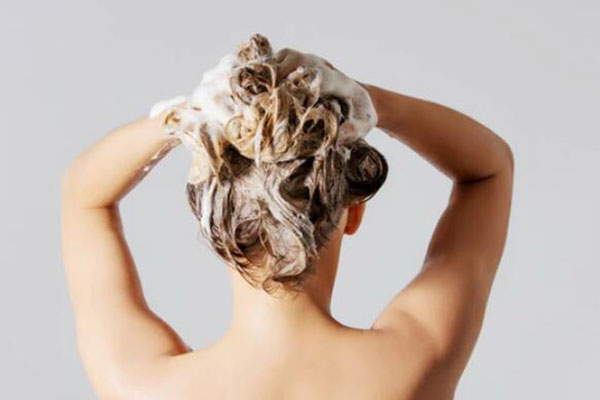
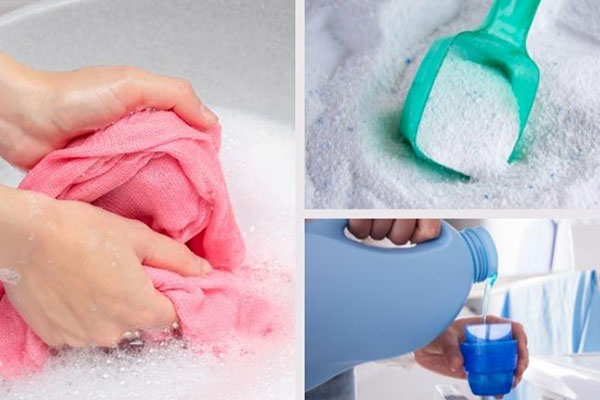
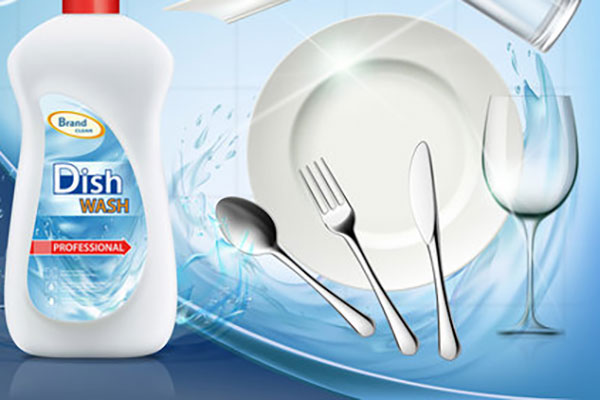
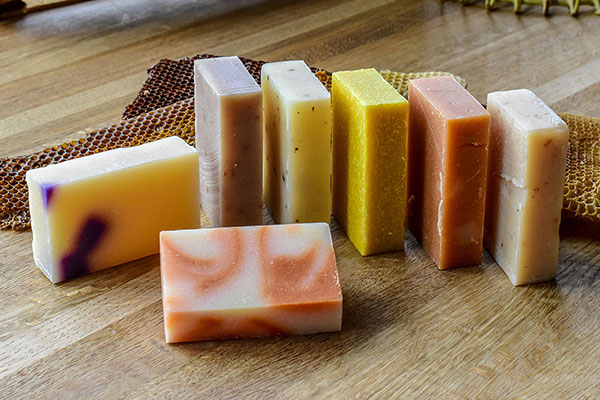
Sodium lauryl ether sulfate SLES, also known as sodium alkyl ethoxy sulphate AES, is an anionic detergent and surfactant. Meanwhile, it is a very effective foaming agent. SLES chemical is widely used in toothpaste, soap, shower gel, shampoo, washing powder, cosmetics and other personal skin care products and household cleaning products. Sodium lauryl ether sulfate for sale on the market is viscous paste with 70% active ingredient content. So people are used to searching SLES 70% directly to find the product they need. Feel free to inquiry us for the best price of SLES 70 for sale in Chemate now.
Technical Specifications of SLES 70% for Sale in Chemate
| Items | Index |
| Appearance (25℃) | White or Light Yellow Viscous Paste |
| Odor | No Strange Odors |
| Active Matter (%) | 70±2 |
| Unsulphated Matter (%) | ≤2.5 |
| Sodium Sulfate (%) | ≤1.5 |
| PH value (25℃,2% sol) | 7.0~9.5 |
| Color (5% Am.aq.sol) Klett | ≤20 |
| 1,4-Dioxane, PPM | 30Max. |
Package:
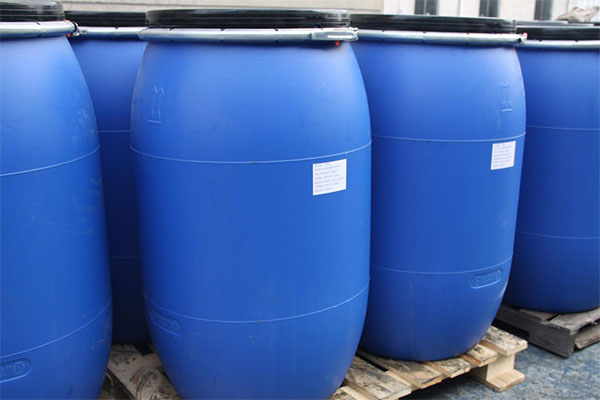
Net 170kg /plastic drum (1FCL=19.38MT)
Net 220kg /plastic drum (1FCL=17.6MT)
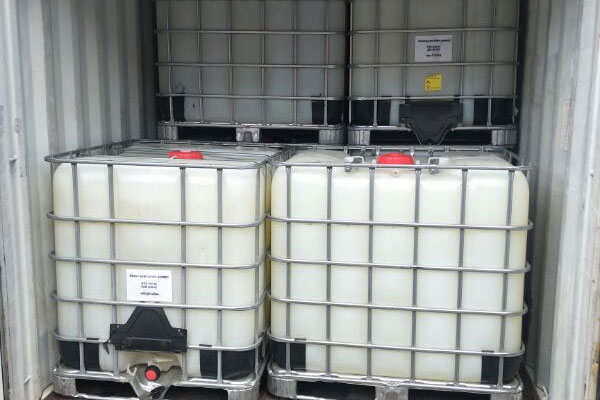
Net 1100kg /IBC drum (1FCL=19.8MT)
Would Like The Quotation
Leave more about your requirements, such as, tech grade or food grade, quantity, package, country, etc.
What Is SLES Chemicals Used For
As a detergent raw material, it is not only suitable for various powder washing products, but also suitable for various liquid detergents, such as, laundry detergent, dry cleaning agent, shampoo, hand soap, etc.
SLES is often used in phosphorus-free and low-phosphorus formulations, especially for heavy-duty and oil-removing detergent products. Using it to partially replace LABSA can save or reduce phosphate usage.
In textile, printing, dyeing industry, petroleum and leather industry, SLES chemical can be used as lubricant, dyeing agent, cleaning agent, foaming agent and degreasing agent.
What Is SLES Chemicals Used For
The preparation of sodium lauryl ether sulfate five process steps, condensation of lauryl alcohol and ethylene oxide, sulfation of condensation product, neutralization, pressure filtration to remove the residue, and distillation of the filtrate to dealcohol.
- Put lauryl alcohol into the reaction kettle, and then put a certain proportion of potassium hydroxide into the dispensing tank. And then put it into the reaction kettle after being prepared into a 50% aqueous solution.
- Vacuumize, control the degree of vacuum at 13.3kpa. And gradually heat up to about 120℃ for dehydration.
- After the dehydration is completed, the air is replaced with nitrogen.
- After the air is exhausted, raise the temperature to 140-150℃.
- Start stirring and feed ethylene oxide at 3kpa.
- Then lower the kettle temperature gradually to about 5℃.
- Add sulfuric acid for acidification. After one hour, it was neutralized with sodium hydroxide and alcohol solution.
- After neutralization, the filter residue is removed by pressure filtration. And the filtrate is dealcoholized to obtain the finished product.
FAQs About Sodium Lauryl Ether Sulfate
1. What is SLES 70%?
SLES 70% (short for Sodium Lauryl Ether Sulfate 70%), also known as AES, is a high-concentration anionic surfactant widely used in cleaning and personal care formulations. Chemically, it is an ethoxylated derivative of sodium lauryl sulfate, with a typical active matter content of 68–72%. It appears as a pale yellow, viscous paste at room temperature, with a mild characteristic odor and good water solubility. Compared with non‑ethoxylated surfactants, the ethoxy groups improve mildness, foam stability, and hard‑water tolerance. It functions as a primary cleanser, foaming agent, emulsifier, and thickener booster. Its balanced performance and cost efficiency make it one of the most popular surfactants globally for rinse.
2. What are advantages of Sodium Lauryl Ether Sulfate?
It is an anionic surfactant with excellent performance.
It has good cleaning ,emulsifying,wetting and foaming properties.
Easily soluble in water, compatible with a variety of surfactants.
Good thickening effect.
It has good anti-hard water efficiency.
It is biodegradable and has low skin and eye irritation.
3. How does SLES 70% differ from Sodium Lauryl SulfateSLS?
The key difference lies in ethoxylation: SLES 70% contains ethylene oxide groups in its molecular structure, while SLS does not. This makes sodium lauryl ether sulfate significantly milder to skin and eyes, less irritating, and more compatible with sensitive formulations. SLES also has better hard-water resistance and produces creamier, longer-lasting foam. SLS is stronger but harsher, often used in heavy-duty industrial cleaners, whereas SLES 70% is preferred for personal care and consumer dish soap. sodium lauryl ether sulfate 70% is more soluble and easier to thicken with salt, simplifying production. Both clean effectively, but SLES offers a better balance of performance and mildness for daily-use products.
4. Is SLES 70% safe for use in personal care and cosmetic products?
Yes, SLES 70% is safe when formulated and used as directed and approved by major regulatory bodies worldwide. It is extensively tested for acute and chronic toxicity, skin, and eye irritation. As a rinse-off ingredient, it does not accumulate on skin or hair. Reputable manufacturers purify SLES to control impurities to safe levels. While it may cause mild dryness with prolonged exposure on very sensitive skin, this is easily managed by combining with moisturizing agents.
5. Why Is SLES 70% supplied as a 70% concentration?
Sodium Lauryl Ether Sulfate is typically supplied as a 70% active paste because this concentration offers a practical balance between stability, transportation efficiency, and formulation convenience. Higher concentrations may become too viscous to handle, while lower concentrations increase shipping costs due to excess water. The 70% form allows manufacturers to easily dilute and formulate it into various liquid detergents and personal care products.
6. Is SLES 70% environmentally friendly and biodegradable?
SLES 70% is readily biodegradable and considered environmentally safe for rinse-off use. It breaks down naturally in wastewater systems and aquatic environments via microbial action, meeting OECD 301 biodegradation standards. It does not bioaccumulate and has low toxicity to fish and aquatic organisms at expected environmental concentrations. Modern manufacturing processes control byproducts to strict limits, further reducing ecological impact. While concentrated material should not be released directly into the environment, properly diluted finished products are safe for normal disposal down the drain. It is a more sustainable choice than many non-biodegradable synthetic surfactants and supports eco-labeled cleaning and personal care lines.
7. What advantages make SLES 70% preferred over other surfactants?
Sodium lauryl ether sulfate SLES 70% offers a unique combination of benefits: excellent foaming and cleansing, mildness to skin, strong hard-water resistance, easy thickening with salt, high biodegradability, and good compatibility with other ingredients. It can produce dense, creamy foam consumers associate with effective cleaning, unlike many low-foam surfactants. It cleans efficiently at lower concentrations, reducing overall formulation cost. It is readily biodegradable per OECD tests, minimizing environmental impact. It works in both acidic and alkaline formulations and is suitable for clear or pearlescent liquids. These advantages make it a top choice for formulators balancing performance, cost, mildness, and consumer appeal.
8. How Should Sodium Lauryl Ether Sulfate 70% Be Stored?
SLES 70% should be stored in a cool, dry, well-ventilated area, away from direct sunlight, heat sources, and strong oxidizers. Ideal storage temperature is 5–30℃, freezing or prolonged high heat may change viscosity or separation. Keep containers tightly sealed to prevent moisture absorption and contamination. It is compatible with standard plastic or coated steel drums and tanks.
9. What Is the Typical Packaging for SLES 70%?
Sodium Lauryl Ether Sulfate 70% is commonly packaged in plastic drums, intermediate bulk containers (IBCs). Standard packaging sizes include 170 kg or 220 kg plastic drums and 1,100 kg IBC tanks. The choice of packaging depends on customer requirements, transportation distance, and the scale of industrial use.
Where to Buy Sodium Lauryl Ether Sulfate SLES 70%
- Quality assurance. We have passed SO9001 international quality standard system certification, ISO14001 environmental management system certification, CE certification, GB/T28001 certification.
- Rich export experience. Our chemicals have been exported to many countries and regions all over the world.
- Competitive price, excellent price, timely reply and delivery in time. Feel free to inquiry us for SLES 70% price now.
- Email: sales@chemategroup.com
- Tel: 0086-371-60921621
- Whatsapp: +86 18624832876
- Wechat: +86 18624832876
- ADD: NO.80 PUHUI ROAD,ZHENGZHOU CITY, HENAN PROVINCE, CHINA