
Home » Polyester Chips
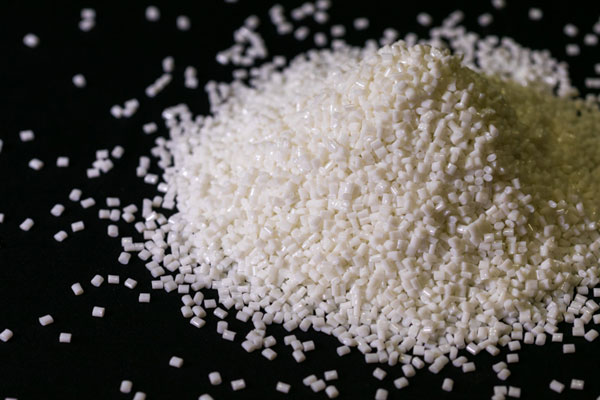
Polyester Chips PET Chips For Sale
- CAS NO.: 25038-59-9
- HS Code: 390769
- MF: H(OCH2CH2OCOC6H4CO)nOCH2CH2OH
- Main Grade: Bottle Grade & Textile Grade
- Appearance: Granules
PET Chips are the most common thermoplastic resin in the polyester series chemicals. PET Resin is the most common plastic used for thermoforming packaging designs because it has a high-strength barrier that resists external tampering or other elements. First, mold the material into a specified shape, and then dry it to increase resistance. PET resin is widely used in fiber production in apparel, liquid and food containers, etc.
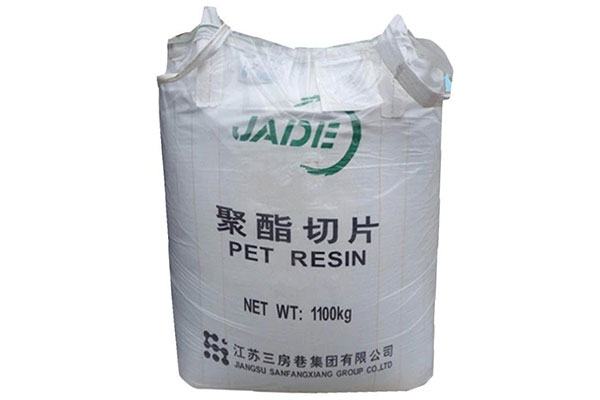
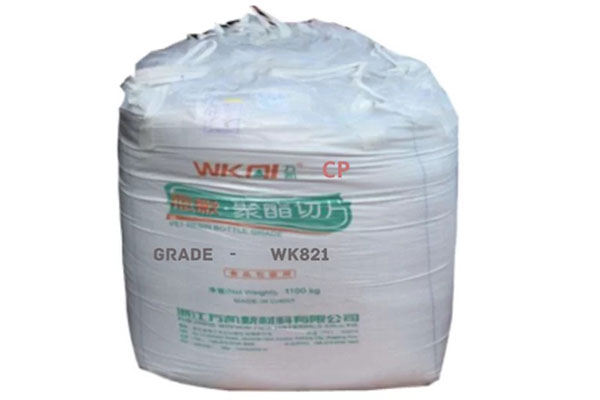
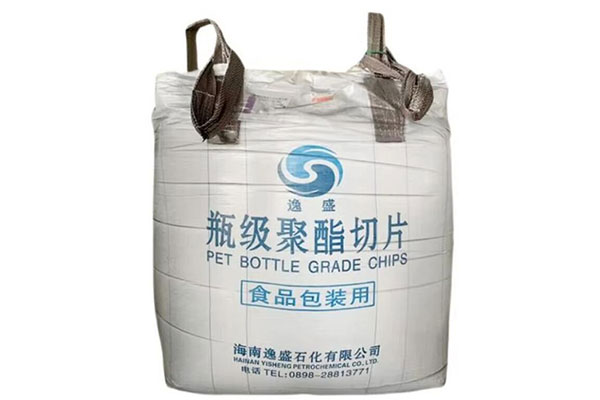
Well-known PET Chips Manufacturers in China
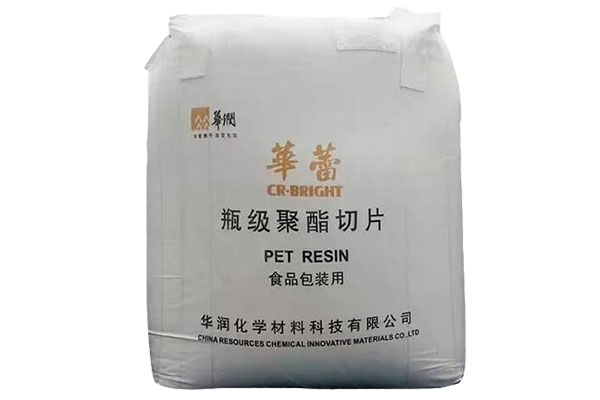
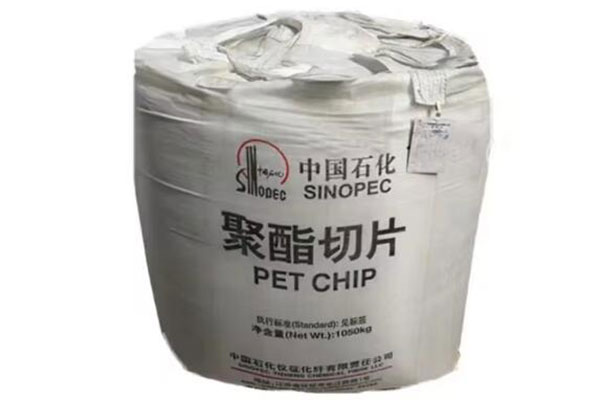
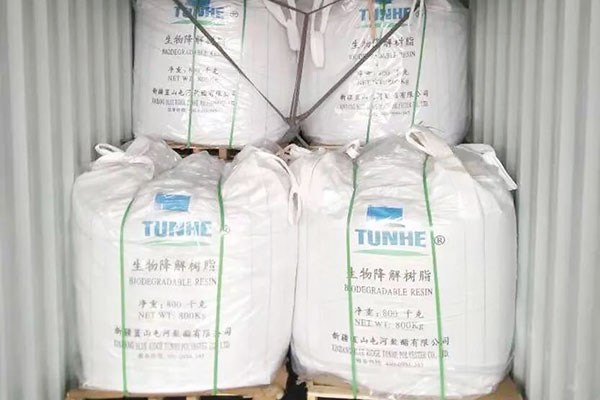
Would like The Quotation?
Leave your demands in detail here(including the model, package, brand, quantity), we will reply you quickly.
What Are The Classifications of Polyester PET Chips
According to the composition and structure, it can be divided into blending , copolymerization, crystallization, liquid crystal, annular polyester chips, etc.
Based on the performance, it contains coloring, flame retardant, antistatic, moisture absorption, anti-polling, antibacterial, whitening, low melting point, trackifying polyester chips, etc.
According to the uses, PET Chips contains fiber grade polyester chips, bottle grade polyester chips, film grade polyester chips, etc.(mainly due to different process indicators).
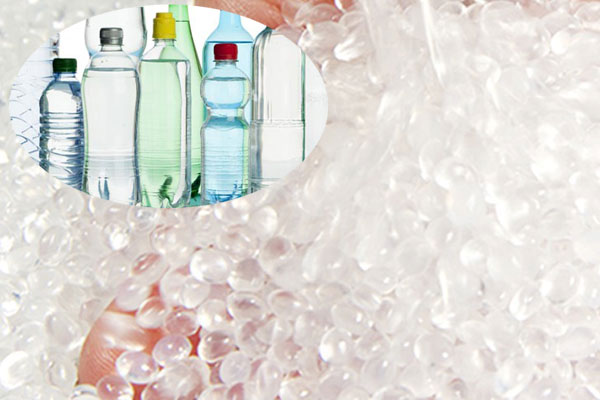
Chemate can supply different specifications of PET bottle chips that can be used for the production of water bottle, oil bottle, carbonated bottle, etc. Contact us for more details here.
| Grade | Water bottle Grade | Oil bottle Grade | Carbonated Bottle bottle | Hot-Filled Grade | |
| Intrinsic Viscosity, dL/g | 0.800±0.015 | 0.830±0.015 | 0.875±0.015 | 0.780±0.015 | |
| Acetaldehyde, ppm ≤ | 1.0 | 1.0 | 1.0 | 1.0 | |
| Color | B value ≤ | 1.0 | 1.0 | 1.0 | 1.0 |
| L value ≥ | 84 | 84 | 80 | 80 | |
| Diglycol, % | 1.30±0.2 | 1.3±0.2 | 1.3±0.2 | 1.3±0.2 | |
| Terminal Carboxyl, mol/t ≤ | 35 | 35 | 35 | 35 | |
| Density, g/cm3 | 1.40±0.01 | 1.40±0.01 | 1.40±0.01 | 1.40±0.01 | |
| Melting point, ℃ | 243±2 | 243±2 | 243±2 | 249±2 | |
| Moisture, % ≤ | 0.2 | 0.2 | 0.4 | 0.4 | |
| Ash, % ≤ | 0.08 | 0.08 | 0.08 | 0.08 | |
Would Like The Quotation
Leave more about your requirements, such as, brands, models, quantity, package, country, etc.
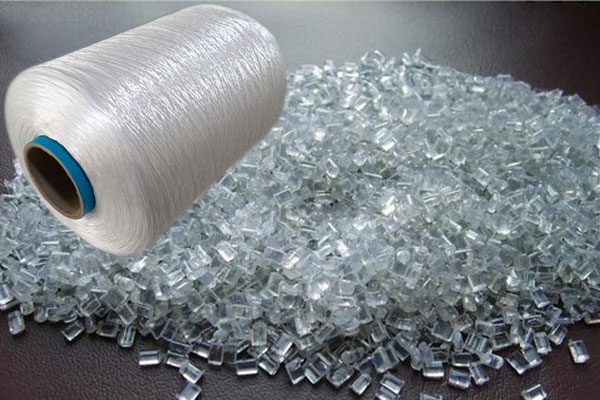
We can supply super bright, semi dull, full dull polyester chips textile grade, as well as other grades used in textile indutry. Quality and high performance can be guaranteed.
| Luster | Intrinsic Viscosity (dl/g) | Color L Value | Color B Value | Melting Point ℃ | DEG % | Tio2 Content % |
| Super Bright(SB) | 0.640 ± 0.020 | 53.0 ± 3.0 | 1.5 ± 1.5 | 251.0 ± 2.0 | 1.45 ± 0.2 | —— |
| Semi Dull (SD) | 0.640 ± 0.010 | 75.0 ± 2.0 | 1.3 ± 1.0 | 257.0 ± 2.0 | 1.36 ± 0.10 | 0.33 ± 0.05 |
| Cationic Dyeable(CD) | 0.520 ± 0.020 | 64.0 ± 3.0 | 2.8 ± 2.0 | 242.0 ± 3.0 | 3.50 ± 0.50 | 0.10 ± 0.05 |
| Flame Retardant(FR) | 0.690 ± 0.020 | 62.5 ± 4 | 4.2 ± 3.0 | 238.5 ± 3.0 | 3.30 ± 0.70 | 0.60 ± 0.10 |
Would Like The Quotation
Leave more about your requirements, such as, brands, models, quantity, package, country, etc.
How Are Polyester Chips Made?
The basic components of PET chips are ethylene glycol and terephthalic acid, which combine to form PET pellets. Then these resin pellets are heated into a molten liquid that can be easily extruded or molded into articles of almost any shape.
Specially, when these two raw materials are combined at high temperature and low vocuum pressure, long chains of polymers are formed. As the mixture thickens, the chains get longer. Once the appropriate chain length is reached, the reaction is stopped. The resulting strips of PET strands are then extruded, rapidly cooled and cut into small chips.
When the resin pellets are reheated to the molten liquid phase, the polymer chains can stretch in one direction or two directions. If the polymer cools rapidly while being stretched, the chains freeze with their orientation intact. Once set in stretched form. The material will be very tough.
If polyester chips is left stretched at high temperatures, it will slowly crystallize and begin to become opaque, stiffer, and less flexible. This crystalline form of PET chips is commonly used in take-home and prepared containers and trays. In this case, such containers can be reheated in the oven or microwave.
Several important element content indicators of PET Chips
Carboxyl terminal content. It is one of the important parameters to measure polyester production. Generally speaking, the source of terminal carboxyl groups is mainly generated from uncreated PTA or after degradation. In theory, the terminal carboxyl groups of fully reacted polyester should be 0. However, due to the existence of various factors, the terminal carboxyl groups of polyester chips under various process condition is very different.
Diethylene glycol(DEG) content. Polyester diethylene glycol is an important indicator to measure the degree of etherification side reactions in the production process. From the experimental results, the increase of the content of DEG can reduce the melting point or softening point of polyester, deteriorate the thermal oxidation resistance and light resistance. Because of the effect of DEG content on polyester and subsequent positive and negative sides, the control content is also different under each production process condition. At present, the consensus of various manufacturers on the content of DEG is that the absolute value of the content of DEG isn’t the main aspect, but the stability of the content. For that stability can reduce the dyeing difference of the produced fibers. For the production of magnetic tapes, video tapes, the DEG content should be lower, which can increase the fatigue strength during use.
Iron content is also an indicator to characterize polyester chips. In general, the source of iron is PTA, EG, catalyst and matting agent. If the iron content is high, the ash content is also high. It easily affects the color and quality of fiver.
Titanium dioxide content. Adding TiO2 as a matting agent to polyester products. The needs of users determine the dosage.
FAQs of Polyester Chips
1. What Is PET Chips?
Polyester chips, also known as polyethylene terephthalate chips, polyethylene terephthalate resin, abbreviated as PET Chips, PET resin, usually refer to flaky particles of certain specifications processed from polyester raw materials. PET Chips is a high polymer, which is derived from the dehydration condensation reaction of ethylene terephthalate. Polyester chips are mainly used to produce polyester filament and bottle packaging materials. Meanwhile, it can also be used as raw materials for modified plastics.
PET Chips is a milky white or light yellow, highly crystalline polymer with a smooth and shiny surface. It has excellent physical and mechanical properties in a wide temperature range. The long-term use temperature can reach 120℃. And the electrical insulation is excellent. Even at high temperature and high frequency, its electrical properties are still good.
2. What Are The Excellent Characteristics of PET Chips?
- PET chips can be thermoformed for a variety of applications.
- Safe and non-toxic. Safer storage of materials, especially food.
- PET plastic packaging is lightweight, transparent and shatterproof. Although lightweight, it is still strong enough to withstand the exterior elements of a variety of applications.
- UV resistant, making it a suitable choice for almost any thermoformed packaging design.
- ECO-friendly and sustainable packaging material. PET chips is 100% recyclable and is one of the most recycled plastics in the world.
- PET chips absorbs colorants well and exhibits excellent adhesion in exterior printing.
- PET chips has higher durability, which makes it suitable for almost any thermoformed packaging design.
3. Are PET chips recyclable?
Yes, PET chips are fully recyclable and are among the most recycled plastics globally. Post-consumer PET products can be collected, cleaned, and reprocessed into recycled PET (rPET) chips. These recycled chips can be reused in bottles, fibers, or packaging materials, depending on regulatory approval and quality standards. Recycling PET significantly reduces carbon emissions and environmental impact.
4. What are the main application areas of polyester chips?
① Textile Industry: Produces polyester fibers for clothing, home textiles, and industrial fabrics.
② Packaging Industry: Bottle-grade chips are used to make beverage bottles, film-grade chips to make packaging films, and ordinary chips to make packaging bags.
③ Construction Industry: Used to manufacture roofing tiles, curtain frames, pipes, utilizing their weather resistance and corrosion resistance.
④ Automotive and Electronics Industry: Modified chips are used in automotive interiors and battery packs, while conductive chips are used in electronic components.
5. What are the advantages of PET chips compared to other plastics?
PET chips offer several advantages over many other thermoplastics. They provide excellent clarity, high tensile strength, good chemical resistance, and strong dimensional stability. PET also has superior recyclability compared to materials such as PVC. Additionally, PET products are lightweight, durable, and energy-efficient in production, making them suitable for food packaging, textiles, and engineering applications.
6. What are the core differences between fiber-grade, bottle-grade, and film-grade polyester chips?
The core differences lie in their quality indicators and application focuses.
① Fiber-grade: Requires extremely high intrinsic viscosity and uniformity. Fiber-grade PET chips is used for producing polyester filaments, staple fibers, and other textile raw materials.
②Bottle-grade: Requires extremely strict requirements for purity, transparency, and acetaldehyde (AA) content. Bottle-grade PET chips is mainly used for making water bottles, beverage bottles, oil bottles, food containers.
③ Film-grade: Emphasizes thickness uniformity and optical properties. Film-grade PET chips is used for producing packaging films, magnetic tape base films, etc.
7. What is the difference between virgin PET chips and recycled PET chips?
Virgin PET chips are produced directly from petrochemical raw materials such as PTA and MEG. They offer consistent purity, high transparency, and stable intrinsic viscosity. Recycled PET (rPET) chips are made from processed post-consumer PET waste. While rPET supports sustainability goals, it may require additional purification and quality control to meet food-grade or high-performance standards.
8. What Are The Differences Between PET Resin And PVC Resin?
PET resin is one of the most widely used plastics for thermoforming. For example, it is widely used in the manufacture of bottles and containers for packaging liquids and foods. Its properties make it ideal for packaging food, because it is a very strong and inert material and won’t react with food and drinks. In addition, it is fully recyclable and one of the most recycled plastics in the world, which makes PET chips an environmentally friendly and sustainable packaging material.
PVC resin is a rigid plastic designed to withstand harsh shocks and extreme temperatures. Therefore, this material is most commonly used to make cables, roofing, commercial signage, flooring, faux leather clothing, pipes, hoses, etc.
Over time, PVC plastic can break down from exposure to UV light. However, plastics made of PET resin is designed to resist UV rays, making it a suitable choice for almost any thermoformed packaging design.
9. What are the main raw materials for producing polyester chips?
The main raw materials are purified terephthalic acid (PTA) and ethylene glycol (EG), which together account for over 90% of the production cost. In addition, auxiliary raw materials such as catalysts, stabilizers, and matting agents are also used in production. The cost of auxiliary raw materials is relatively low.
10. What factors affect the price of polyester chips?
①Raw Material Prices: Fluctuations in PTA and EG prices are the primary driving factor, accounting for over 90% of costs.
②Supply and Demand: Changes in demand from downstream textile, packaging, and automotive industries, as well as industry capacity utilization rates, affect prices.
③ Energy Costs: Fluctuations in electricity and steam prices affect production costs.
④ Environmental Policies: Increased environmental regulations increase compliance costs for enterprises, indirectly affecting prices.
11. What is the typical moisture requirement for PET chips before processing?
PET chips must be thoroughly dried before processing because PET is highly sensitive to moisture. Excess moisture can cause hydrolytic degradation during melting, reducing molecular weight and affecting product quality. Typically, moisture content should be below 50 ppm before injection molding or extrusion. Proper drying ensures stable viscosity, mechanical strength, and surface appearance.
12. What Is Viscosity of PET Chips?
In industrial fields, intrinsic viscosity is an index to characterize the molecular weight of polyester. Determination of intrinsic viscosity can not only correctly evaluate the quality of polyester, but also provide an important basis of formulating spinning process conditions. Therefore, intrinsic viscosity is an important indicator for selecting textile grade PET Chips.
13. What is the Melting point of Polyester Chips?
The melting point of a polyester is the temperature at which a crystalline solid substance changes from a solid to a liquid. It partly reflects the purity of polyester. Generally, pure polyester is a partially crystalline polymer with a melting point of 265℃. At the same time, the defects of polymer crystals and differences in crystallinity also affect the melting point of polyester is below 265℃, and the melting point temperature isn’t a fixed value, but a certain range.
14. What Is the Chroma and Ash of PET Chips?
Chroma is a comprehensive index, which is not only affected by the outside world such as PTA, matting agent and catalyst, but also by the production process of polyester production itself. The B-value in the chromaticity reflects the blue-yellowness of the polyester chips. The smaller the B-value is, the more blue the polyester is, and the higher the yellower. The L-value reflects the grayscale of the slice. The larger the L-value, the brighter the slice, and the smaller the grayer.
Ash is the inorganic impurities in polyester, including inorganic impurities from PTA and EG raw materials, catalyst residues, and impurities brought in during TiO2 grinding.
15. How should PET chips be stored?
PET chips should be stored in a dry, cool environment away from direct sunlight and moisture exposure. Packaging must remain sealed to prevent moisture absorption. Improper storage can increase moisture content and negatively affect processing performance. Maintaining proper storage conditions ensures stable intrinsic viscosity and consistent product quality during production.
About PET Chips Manufacturer - Chemate
Quality assurance
ISO9001 international quality standard system certification, ISO14001 environmental management system certification, CE certification, GB/T28001 certification.
Reliable Supplier
Focus in chemical export since 2003.
Advanced technology
The most advanced production technology and complete production equipment, scientific and standardized layout.
Excellent Pre-sales And After-sales Service
Variety complete, timely supply, reasonable price and excellent pre-sales and after-sales service.
Competitive price
Feel free to inquiry us now for the PET chips price now, we will reply you quickly.
- Email: sales@chemategroup.com
- Tel: 0086-371-60921621
- Whatsapp: +86 18624832876
- Wechat: +86 18624832876
- ADD: NO.80 PUHUI ROAD,ZHENGZHOU CITY, HENAN PROVINCE, CHINA