
Home » Redispersible Polymer Powder
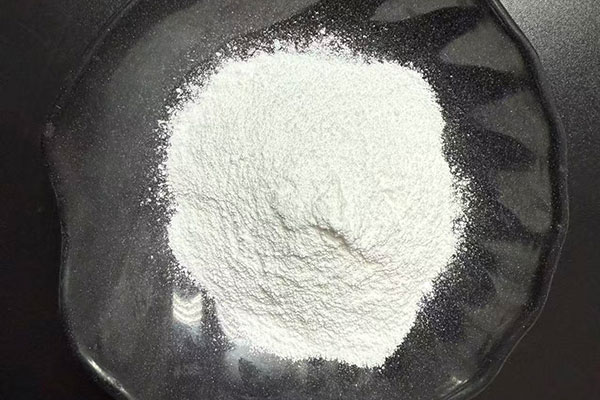
Redispersible Polymer Powder (RDP)
- CAS NO.: 24937-78-8
- EINECS NO.: 429-840-1
- Polymer types: vinyl acetate-ethylene (VAE), styrene-butadiene (SBR), acrylics, and vinyl acetate-vinyl carbonate (VAC-VeoVa)
- Models: S4012N, S5011N, S5220L, S8035H
- Types: VAE powder, SBR powder, AC powder, VAC-VeoVa powder
- Applications: self-leveling, tile adhesive, plastering mortar, tile grout, EIFS/ETICS, wall putty
- Package: 25kg/bag, 600kg/pallet, 700kg/ pallet or 1300kg/pallet.
- Loading: 12-13MT/20’FCL with pallets,26MT/40’FCL with pallets
- Storage: Store in a cool and dry place, prevent from sunshine and rain.
Specifications of RDP Powder for Sale in Our Company
| Technical Date | S4012N | S5011N | S5220L | S8035H | S9028E |
| Polymer Type | VAE | VAE | VAE | VA/VV/AC | S/AC |
| Protective Colloid | PVA | PVA | PVA | PVA | PVA |
| Solid Content% | ≥99 | ≥99 | ≥99 | ≥99 | ≥99 |
| Ash content% | 14±2 | 12±2 | 12±2 | 12±2 | 12±2 |
| Bulk density g/l | 400-600 | 400-600 | 400-600 | 400-600 | 400-600 |
| Tg ℃ | 15 | 15 | 0 | -12 | 5 |
| MFFT℃ | 4 | 4 | 0 | 0 | 1 |
| PH value | 6-8 | 6-8 | 6-8 | 6-8 | 6-8 |
| Type | Rigid | Rigid | Semi-Flexible | Flexible | Semi-Flexible |
| Standard | High performance | Levelling | Hydrophobic type | Acrylic |
Would like The Quotation?
Leave your demands in detail here(including the model, package, brand, quantity), we will reply you quickly.
What are the Common Types of Redispersible Polymer Powder?
1. Vinyl acetate-ethylene (VAE) RDP powder
VAE-based redispersible polymer powder is the most popular type, accounting for over 60% of the global RDP powder market. It is produced through the copolymerization of vinyl acetate and ethylene, with the ethylene content typically between 10%-40%. This component enhances the polymer’s flexibility and low-temperature resistance. VAE powder exhibits excellent adhesion to a variety of substrates, including concrete, wood, metal, and ceramic tiles, while also possessing good water resistance, weather resistance, and compatibility with cementitious materials.
>>> Key properties of VAE redispersible powder
High bond strength, good flexibility, excellent cement compatibility, low VOC content, and strong hydrolysis resistance. Common applications include tile adhesives, external insulation systems (EIFS), self-leveling mortars, and repair mortars.
2. Styrene-Butadiene (SBR) Redispersible Polymer Powder
SBR powder are derived from the copolymerization of styrene and butadiene and are known for their excellent mechanical strength, abrasion resistance, and low-temperature flexibility. They exhibit good adhesion to porous substrates and are commonly used in applications requiring high durability and abrasion resistance. However, their weather resistance is relatively poor, and they degrade upon prolonged exposure to ultraviolet radiation, making them more suitable for indoor applications or environments with UV protection.
>> Key properties of SBR redispersible polymer powder
High tensile strength, good abrasion resistance, excellent low-temperature flexibility, and good adhesion to concrete and masonry. Common applications include floor leveling layers, interior tile adhesives, concrete structural repair mortars, and grouts.
3. Acrylic Redispersible Polymer Powder
Acrylic redispersible polymer powder is made from acrylic monomers such as methyl methacrylate and butyl acrylate. It possesses excellent weather resistance, UV stability, chemical resistance, and color retention. It also exhibits good adhesion to non-porous substrates such as glass, metals, and plastics. Its higher glass transition temperature (Tg) makes it harder than VAE or SBR redispersible polymer powder, but flexibility can be improved by adding plasticizers.
>> Key properties of acrylic redispersible latex powder
Excellent UV stability, good weather resistance, strong chemical resistance (acid, alkali, and solvent resistance), and good adhesion to non-porous substrates. Common applications include exterior wall coatings, exterior wall tile adhesives, waterproof membranes, and decorative mortars.
4. VAC-VeoVa redispersible polymer powder
VAC-VeoVa redispersible polymer powder is a copolymer of vinyl acetate and ethylene tert-carbonate. The ethylene tert-carbonate component enhances the polymer’s weather resistance, water resistance, and flexibility. Its low-temperature flexibility is superior to VAE redispersible latex powder, and it exhibits excellent hydrolysis resistance, making it commonly used in outdoor applications requiring high durability and resistance to harsh weather conditions.
>> Key properties of VAC-VeoVa redispersible latex powder
Excellent weather resistance, good water resistance, high low-temperature flexibility, and strong hydrolysis resistance. Common applications include exterior wall insulation systems (EIFS), exterior wall tile adhesives, exterior wall plastering, and waterproofing compounds.
What are Core Components of RDP Powder?
Polymer Resin. This is the main component of RDP powder, accounting for 80%-95% of the total powder volume. The type of polymer resin used determines the core properties of the redispersible latex powder, such as flexibility, adhesion, water resistance, and chemical resistance. Common base polymers include vinyl acetate-ethylene (VAE), styrene-butadiene (SBR), acrylics, and vinyl acetate-vinyl carbonate (VAC-VeoVa).
Protective Colloids. Added during spray drying to prevent polymer particle agglomeration. They form a protective layer on the surface of the polymer particles, ensuring their stability and redispersibility. Common protective colloids include polyvinyl alcohol (PVA), methylcellulose (MC), hydroxyethyl cellulose (HEC), and starch derivatives. Polyvinyl alcohol is widely used due to its excellent film-forming properties and compatibility with most polymers.
Anti-caking Agents. These inert substances are added to redispersible latex powder to prevent clumping and ensure free flowability. They absorb moisture, forming a physical barrier between polymer particles. Common anti-caking agents include calcium carbonate (CaCO3), talc, silica, and kaolin. The amount of anti-caking agent added is typically 2%-10% of the total weight.
Plasticizers. Optional additives used to improve the flexibility and workability of polymer films. They lower the glass transition temperature (Tg) of the polymer, making it more flexible at room temperature. Common plasticizers include phthalates, adipates, and citrates.
What Are Main Applications of Redispersible Polymer Powder
Tile Adhesive
Tile adhesive is one of the largest application areas for redispersible latex powder, accounting for approximately 30% of the global market. Adding redispersible latex powder to tile adhesive formulations improves bond strength, flexibility, workability, and water resistance, ensuring a strong bond between tiles and the substrate and reducing the risk of tile detachment due to shrinkage, temperature changes, or substrate deformation.
External Insulation Systems (EIFS)
Redispersible latex powder is a key component in external insulation system formulations, used in primers, reinforcing mesh, and topcoats. It improves the adhesion between the primer and insulation board, enhances the system’s flexibility to accommodate substrate deformation, and provides weather resistance and UV stability.
Self-Leveling Mortar
Self-leveling mortar is used to create a smooth, level surface before laying tiles, carpets, or other floor coverings. Adding redispersible polymer (RDP) to self-leveling mortar formulations improves workability, flowability, and adhesion, while enhancing the flexibility and crack resistance of the cured mortar, reducing the risk of cracking due to shrinkage or substrate deformation.
Repair Mortar
Repair mortar is used to repair damaged concrete structures such as bridges, buildings, and roads. RDP powder is a key additive in repair mortar, improving adhesion to old concrete, enhancing flexibility to accommodate substrate deformation, and increasing durability. It also fills cracks and voids in damaged structures, forming a strong, seamless bond.
Grouting and Filler
Grouting is used to fill gaps between tiles, while filler is used to fill joints in concrete structures. Adding RDP to grout and filler formulations improves adhesion, flexibility, water resistance, and stain resistance, preventing cracking, shrinkage, or disintegration of the grout and ensuring a tight seal between tiles or joints.
Plastering Mortar and Plaster
Plastering mortar and plaster are used for interior and exterior wall finishing. Adding redispersible polymer powder to plastering mortar formulations improves workability, adhesion, flexibility, and weather resistance, making plastering easier to apply and smooth. It also reduces the risk of cracking due to shrinkage or temperature changes.
Waterproofing Membranes
Waterproofing membranes are used to prevent water seepage into buildings, bridges, and other structures. Adding RDP powder to waterproofing membrane formulations improves flexibility, adhesion, and water resistance, forming a continuous, impermeable film that blocks water channels, ensuring waterproofing.
Other Applications
Wood Adhesives: Improves adhesion and water resistance.
Textile Coatings: Improves the durability and water resistance of textile materials.
Paper Coatings: Improves paper smoothness and printability.
Ceramic Adhesives: Improves the strength and flexibility of ceramic products.
What Are Main Applications of Redispersible Polymer Powder
Tile adhesive is one of the largest application areas for redispersible latex powder, accounting for approximately 30% of the global market. Adding redispersible latex powder to tile adhesive formulations improves bond strength, flexibility, workability, and water resistance, ensuring a strong bond between tiles and the substrate and reducing the risk of tile detachment due to shrinkage, temperature changes, or substrate deformation.
Redispersible latex powder is a key component in external insulation system formulations, used in primers, reinforcing mesh, and topcoats. It improves the adhesion between the primer and insulation board, enhances the system’s flexibility to accommodate substrate deformation, and provides weather resistance and UV stability.
Self-leveling mortar is used to create a smooth, level surface before laying tiles, carpets, or other floor coverings. Adding redispersible polymer (RDP) to self-leveling mortar formulations improves workability, flowability, and adhesion, while enhancing the flexibility and crack resistance of the cured mortar, reducing the risk of cracking due to shrinkage or substrate deformation.
Repair mortar is used to repair damaged concrete structures such as bridges, buildings, and roads. RDP powder is a key additive in repair mortar, improving adhesion to old concrete, enhancing flexibility to accommodate substrate deformation, and increasing durability. It also fills cracks and voids in damaged structures, forming a strong, seamless bond.
Grouting is used to fill gaps between tiles, while filler is used to fill joints in concrete structures. Adding RDP to grout and filler formulations improves adhesion, flexibility, water resistance, and stain resistance, preventing cracking, shrinkage, or disintegration of the grout and ensuring a tight seal between tiles or joints.
Plastering mortar and plaster are used for interior and exterior wall finishing. Adding redispersible polymer powder to plastering mortar formulations improves workability, adhesion, flexibility, and weather resistance, making plastering easier to apply and smooth. It also reduces the risk of cracking due to shrinkage or temperature changes.
Waterproofing membranes are used to prevent water seepage into buildings, bridges, and other structures. Adding RDP powder to waterproofing membrane formulations improves flexibility, adhesion, and water resistance, forming a continuous, impermeable film that blocks water channels, ensuring waterproofing.
Wood Adhesives: Improves adhesion and water resistance.
Textile Coatings: Improves the durability and water resistance of textile materials.
Paper Coatings: Improves paper smoothness and printability.
Ceramic Adhesives: Improves the strength and flexibility of ceramic products.
Excellent Properties of Redispersible Polymer Powder RDP
Redispersibility refers to the ability of a redispersible latex powder to dissolve and disperse in water to form a stable emulsion. This is the most critical property of redispersible latex powder, directly affecting the performance of dry-mix formulations. Good redispersibility ensures uniform distribution of polymer particles in the mixture, achieving uniform film formation and stable performance.
Redispersibility is affected by the type and amount of protective colloid, the particle size of the redispersible latex powder, and storage conditions. Poorly RDP polymer may form clumps in the mixture, leading to uneven curing, poor adhesion, and reduced durability.
Tack strength refers to the ability of a dry-mix formulation containing RDP powder to bond with a substrate. Redispersible polymer powder enhances adhesion by forming a continuous polymer film that adheres to both the substrate and cementitious matrix. Tack strength depends on the polymer type, film-forming properties, and compatibility with the substrate.
VAE polymer powder and acrylic redispersible polymer powder exhibit excellent adhesion to a variety of substrates, including concrete, tile, wood, and metal. SBR powder is particularly effective at bonding porous substrates such as concrete and masonry.
Flexibility refers to the ability of a cured material to deform without cracking. Cement-based materials are inherently brittle and prone to cracking due to shrinkage, temperature changes, or substrate deformation. Redispersible latex powders enhance flexibility by forming a flexible polymer film, absorbing stress and preventing crack propagation.
The flexibility of RDP polymer is determined by their glass transition temperature (Tg). Polymers with lower Tgs are more flexible at room temperature, while polymers with higher Tgs are harder. Adding plasticizers can further lower the Tg and improve flexibility. Crack resistance is closely related to flexibility, materials with better flexibility are less likely to crack under stress.
Water resistance refers to the ability of a cured material to resist water penetration and degradation. Redispersible latex powder enhance water resistance by forming a dense, impermeable polymer film that blocks water channels in the cement-based matrix. The water resistance of RDP polymer depends on the polymer type, film density, and degree of crosslinking.
Acrylic and VAC-VeoVa polymer powder exhibit excellent water resistance due to their hydrophobicity and good film-forming properties. VAE redispersible latex powders also exhibit good water resistance, especially those with high ethylene content. SBR redispersible latex powder has moderate water resistance and are more suitable for indoor applications or scenarios with limited water contact.
Weather resistance refers to a material’s ability to withstand harsh weather conditions such as sunlight, rain, snow, and temperature fluctuations. UV stability is a key component of weather resistance, long-term exposure to UV radiation can lead to polymer film degradation, resulting in discoloration, cracking, and performance degradation.
Acrylic redispersible latex powders possess excellent UV stability and weather resistance, making them ideal for outdoor applications. VAC-VeoVa powders also exhibit good weather resistance. The weather resistance of VAE redispersible latex powders depends on their ethylene content. SBR redispersible latex powders have poor UV stability and are not recommended for outdoor applications without UV protection.
Workability refers to the ease with which a dry-mix formulation can be mixed, applied, and molded. Redispersible latex powders improve workability by acting as plasticizers, reducing the water requirement of mixtures and improving flowability, making mixtures easier to apply.
Open time refers to the period during which a mixed material remains workable and can be adjusted or repositioned. Redispersible polymer powders extend open time by slowing down the cement hydration process, providing more time for application. This is especially important for large projects or applications requiring precise positioning. The workability and open time of mixtures containing RDP powder can be further adjusted by adding cellulose ethers or other water-retaining agents.
Redispersible polymer powder must be compatible with other additives commonly used in dry-mix formulations, such as cellulose ethers, high-efficiency water-reducing agents, air-entraining agents, and pigments. Compatibility ensures that additives synergistically improve mixture performance without adverse effects such as segregation, bleeding, or decreased strength.
Most redispersible latex powders are compatible with cellulose ethers, which are commonly used to improve water retention and workability. However, certain combinations may lead to increased viscosity or decreased redispersibility. Therefore, testing the compatibility of redispersible latex powder with other additives is crucial before formulating dry mixes.
Redispersible Polymer Powder Selection Factors
Tile Adhesives: Requires high bond strength, good flexibility, and strong water resistance. VAE powder or acrylic redispersible polymer powders are preferred.
External wall insulation systems: Require excellent weather resistance, UV stability, and flexibility. Acrylic or VAC-VeoVa redispersible latex powders are ideal.
Repair mortars: Require high bond strength and good flexibility. SBR or VAE redispersible polymer powders are recommended.
Waterproof membranes: Require excellent water resistance and weather resistance. Acrylic redispersible polymer powders are preferred.
The substrate used in the dry-mix formulation also affects the selection of redispersible polymer powder. Different substrates have different surface properties, and the redispersible latex powder must be compatible with the substrate to ensure good adhesion.
Porous substrates (concrete, masonry): Suitable for SBR or VAE polymer powder, as they can penetrate pores and form a strong bond.
Non-porous substrates (glass, metal, plastic): Acrylic redispersible polymer powder is preferred due to their good adhesion to smooth surfaces.
Wood substrates: VAE or acrylic redispersible polymer powder are recommended due to their compatibility with wood and good adhesion.
Insulation boards (polystyrene boards, rock wool boards): Use VAE or VAC-VeoVa powder due to their excellent adhesion and compatibility.
Outdoor applications: Requires Redispersible polymer powder (acrylic or VAC-VeoVa) with good weather resistance and UV stability.
Indoor applications: VAE or SBR polymer powder with moderate weather resistance can be used.
Low-temperature environments: Requires SBR or VAE powder with low glass transition temperatures to ensure good flexibility.
High humidity or damp environments: Requires acrylic or VAC-VeoVa polymer powder with excellent water resistance.
The formulation of dry-mix products (such as the type and amount of cement, aggregates, and other additives) also affects the selection of REDISCOVER powders. Redispersible powder must be compatible with other additives and not adversely affect the properties of the mixture.
High cement content mixtures: Require VAE or acrylics redispersible powder with good cement compatibility.
Mixtures containing cellulose ethers: Most redispersible powders are compatible with cellulose ethers, but viscosity and workability testing is required.
Colored mixtures: Acrylic RDP powder is preferred due to their good color retention and lack of impact on the mixture’s color.
High-strength applications: Require high tensile strength redispersible latex powders (SBR or acrylic).
Flexible applications: RDP powder with low glass transition temperatures (VAE or SBR).
Crack-resistant applications: Redispersible powder with good flexibility and film-forming properties (VAE or acrylic type).
Long-term durability applications: Redispersible polymer with good weather resistance and chemical resistance (acrylic or VAC-VeoVa).
VAE powder offer the best cost-performance ratio and are suitable for most general applications.
Acrylic redispersible polymer powder is more expensive but offer excellent weather resistance and UV stability, making them suitable for high-performance outdoor applications.
SBR powder is moderately priced and suitable for indoor applications or scenarios requiring high bond strength.
FAQs of Redispersible Polymer Powder
1. What is Redispersible Polymer Powder?
Redispersible polymer powder, usually abbreviated as RDP, is a free-flowing white or off-white powder derived from emulsion polymers. It is produced by spray-drying aqueous polymer emulsions, typically based on vinyl acetate-ethylene (VAE), styrene-butadiene (SBR), acrylics, or vinyl acetate-vinyl carbonate (VAC-VeoVa) copolymers. Its core characteristic is its ability to redisperse in water, forming a stable emulsion similar to the original liquid polymer. When added to dry-mix formulations (such as tile adhesives and mortars), it forms a continuous polymer film during curing, improving the material’s bond strength, flexibility, and durability.
2. How to Choose SuitableTypes of RDP Powder?
VAE RDP: High bond strength, good flexibility, and excellent cement compatibility. It is suitable for general applications such as tile adhesives, external insulation systems (EIFS), and self-leveling mortars.
SBR RDP: High tensile strength and abrasion resistance, but poor UV stability. It is suitable for indoor applications such as floor leveling layers and interior repair mortars.
Acrylic RDP: Excellent weather resistance and UV stability, good chemical resistance. The type is suitable for outdoor applications such as exterior wall coatings and outdoor tile adhesives.
VAC-VeoVa RDP: Excellent weather resistance and low-temperature flexibility, which is suitable for harsh outdoor environments such as exterior insulation systems (EIFS) and waterproofing compounds.
3. What is the recommended amount of redispersible polymer powderto add to dry-mix formulations?
The amount of redispersible polymer powder (RDP) added depends on the application scenario and performance requirements, typically 0.5%-5% of the total dry weight of the formulation:
Tile adhesive: 1%-3%, improve adhesion and flexibility.
Self-leveling mortar: 1.5%-4%, improve flowability and crack resistance.
Repair mortar: 2%-5%, enhance adhesion and durability.
Plaster mortar: 0.5%-2%, improve workability and crack resistance.
4. How to store redispersible polymer powderproperly?
Store in a dry, well-ventilated area with relative humidity below 60% to prevent moisture absorption and clumping. Maintain a temperature between 5℃ and 35℃, avoiding direct sunlight, heat sources, and freezing environments.
Keep the original moisture-proof packaging intact. If the packaging is damaged, immediately transfer to a new, sealed, moisture-proof container.
Use within the shelf life to avoid decreased redispersibility and performance degradation.
5. Can RDP powder be used in cold weather?
Yes, but careful selection of the RDP type and control of application conditions are necessary: Choose RDPs with low glass transition temperatures (Tg), such as VAE RDP or SBR RDP, which maintain flexibility at low temperatures.
Ensure that the mixing water and substrate temperature are above 5℃ to prevent freezing from affecting the curing process and bond strength.
Under extremely cold conditions, a small amount of antifreeze additive can be added to the dry mix formulation, but a compatibility test must be conducted first.
6. What is the difference between RDP polymer powder and cellulose ether in dry mix formulations?
RDP: Primarily improves adhesion, flexibility, water resistance, and crack resistance by forming a polymer film, thus enhancing the mechanical properties and durability of cured materials.
Cellulose ethers: Primarily improve water retention, workability, and open time, focusing on optimizing the workability of wet mixes.
In most high-performance dry-mix formulations, RDP is used in combination with cellulose ethers to simultaneously achieve excellent workability and long-term durability.
7. Does redispersible polymer powder affect the setting time of cement?
Yes, redispersible polymer powder slightly extends the setting time of cement, which is generally beneficial because it extends the open time of dry-mix products, providing more time for construction. The extent of the setting time extension depends on the type and amount of RDP powder added.
- Email: sales@chemategroup.com
- Tel: 0086-371-60921621
- Whatsapp: +86 18624832876
- Wechat: +86 18624832876
- ADD: NO.80 PUHUI ROAD,ZHENGZHOU CITY, HENAN PROVINCE, CHINA