
Home » Sodium Dichloroisocyanurate
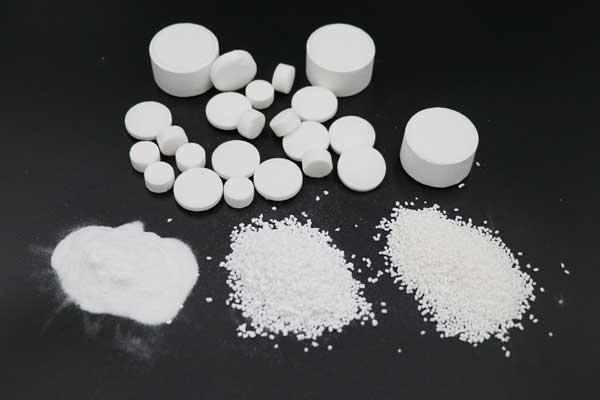
Sodium Dichloroisocyanurate SDIC 56%/60%
- CAS NO.: 2893-78-9
- HS Code: 2933692910
- MF: C3O3N3CL2Na
- Chlorine content: 56%/60%
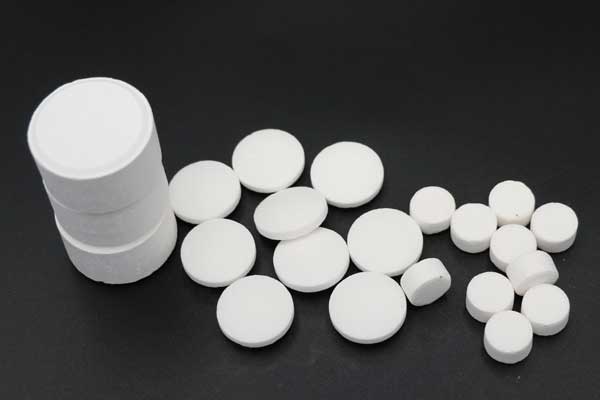
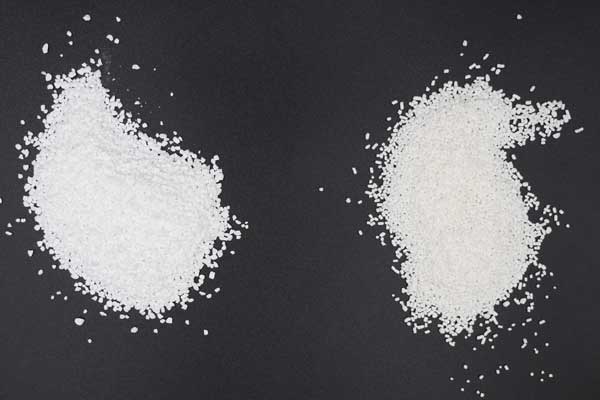
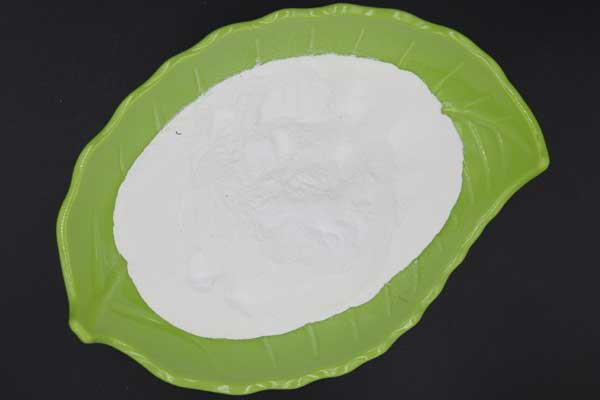
- Specifications: Powder, Granule (8-30mesh, 20-60mesh), Tablets (20g, 5g, 1g). Size of granular and tablets can be customized.
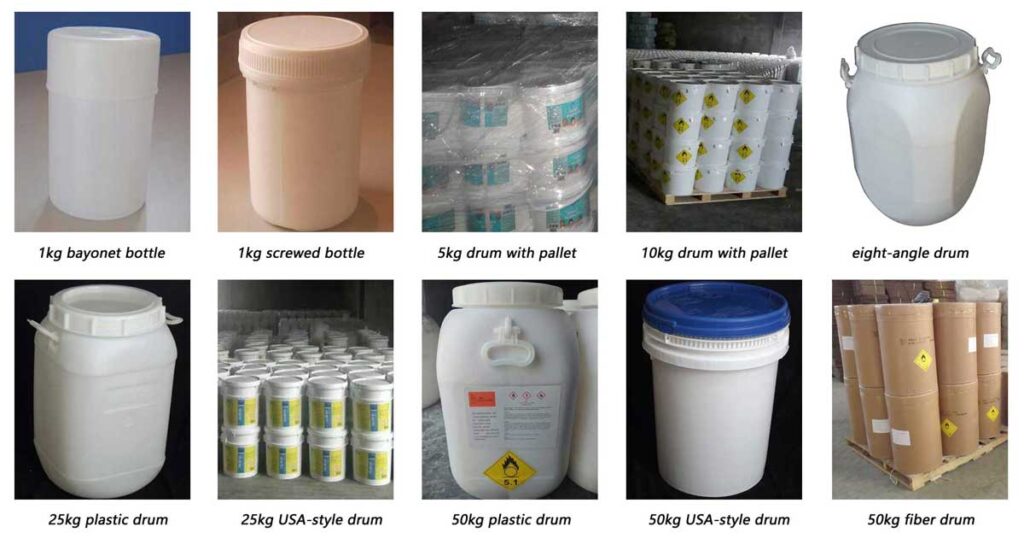
- Package: 25kg/pp bag; 1000kg/pp bag; 25kg/plastic drum; 50kg/plastic drum; 50kg/fibre drum.(can be customized)
- Cheamte can supply sodium dichloroisocyanurate tablets/granular/powder, as well as sodium dichloroisocyanurate dihydrate SDIC.2H2O with high quality. Inquiry us to get the reasonable and competitive price now.
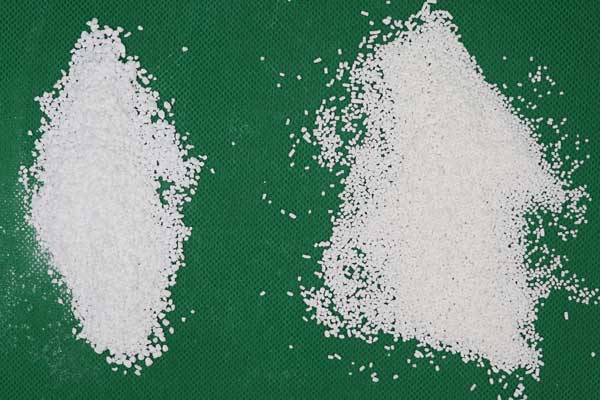
Technical Specifications of Sodium Dichloroisocyanurate in Our Company
| Item | SDIC Powder/Granule/Tablets | |
| Effective chlorine content,% ≥ | 60 | 56 |
| PH, 1% aqueous solution | 5.5-7.0 | 5.5-7.0 |
| Unsolvable matter %≤ | 0.1 | 0.1 |
| Particle size | Granule (8-30mesh;20-60mesh); Tablets (20g; 5g;1g) | |
| Packaging | 25kg/pp bag; 1000kg/pp bag; 25kg/plastic drum; 50kg/plastic drum; 50kg/fibre drum. | |
Would like The Quotation?
Leave your demands in detail here(including the model, package, brand, quantity), we will reply you quickly.
What Are Features of Sodium Dichloroisocyanurate SDIC
- Strong sterilization ability. The effective chlorine content of NaDCC disinfectant for sale in our company is 56%-60%. When at 20ppm, the sterilization rate can reach 99%. And it has strong killing effect on various bacteria, algae, fungi and germs.
- Low toxicity. It is safe to use for the disinfection of food and drinking water.
- Wide range of applications. It can be used not only in the food and beverage processing industry, drinking water disinfection, cleaning and disinfection in public places, but also in industrial circulating water treatment, household sanitation and disinfection, and disinfection in aquaculture.
- High availability of available chlorine. The solubility of sodium dichloroisocyanurate in water is very high, per 100ml of water at 25℃ can dissolove 30g SDIC chemical. Even in an aqueous solution with a water temperature as low as 4℃, it can quickly release all the available chlorine it contains, so that its disinfection and sterilization effects can be fully utilized.
- Good stability. Because the triazine ring in the molecule of chlorinated isocyanuric acid is relatively stable, the property of sodium troclosene is very stable. According to the measurement, after storing the dried NaDCC in the warehouse, the loss of available chlorine is less than 1% after 1 year.
- Convenient packaging and transportation. We can supply SDIC powder/SDIC granular and SDIC tablet for customers to choose depends on their demands.
What Are Sodium Dichloroisocyanurate Uses
>> In swimming pool
Adding sodium dichloroisocyanurate to the swimming pool water can make the pool water clear and clean, the pool wall is smooth, and there are no adherents, inhibit the growth of algae and other microorganisms. It has the advantages of obvious bactericidal effect, long-lasting and stability, has no effect on the raw water, no residual disinfectant, no resistance to drugs, and no harmful substances to the human body.
>> In drinking water treatment
Adding an appropriate amount of Sodium dichloroisocyanurate powder/granularto drinking water can quickly kill various germs, viruses and other microorganisms. In addition, it can destroy pollutant molecules such as hydrogen sulfide in the water, and eliminate its color and odor. Also has a significant effect on the killing of inflammatory virus and coliform bacteria.
>> Used as a cleaning agent and disinfectant in the food industry and public places
It is used for isinfection and sterilization of equipment used in the production process. Some catering industries, such as cold drink shops, tea houses, restaurants often use SDIC solution to sanitize trays, bowls, tablecloths, hand towels and other tableware. The use of NaDCC disinfectant can maintain the hygiene of tableware and food processing equipment, eliminate stains, mildew, and odor caused by protein, prevent disease transmission.
>> In industrial circulating water treatment
In the heat exchange equipment used in the production process of many thermal power plants, petroleum refineries, and chemical plants, algae is very easy to multiply and breed a lot of dirt. It is necessary to use a fungicide to effectively treat the algae in the cooling water. Sodium dichloroisocyanuric is a commonly used cooling water fungicide, which can effectively inhibit the growth of algae microorganisms in the cooling water, and keep the water quality in the circulating water system in good condition for a long time. The most important is that it has little erosion to industrial equipment.
>> Household disinfectant
Adding an appropriate amount of NaDCC to household dishwashing detergents can increase the function of the detergent and enable it to play the role of anti-virus and sterilization. The effect is very significant when cleaning stains containing protein and fruit juice.
>> Used as wool shrinkage treatment agent
Sodium Dichloroisocyanurate can uniformly release hypochlorous acid in the aqueous solution, interact with the protein molecules in the wool flake layer, destroy some of the bonds in the protein molecules, and change the molecular structure to prevent wool from shrinking. In addition, adding SDIC chemical to the detergent can effectively prevent the occurrence of wool adhesion and pilling when washing wool products.
>> Used as bleaching agent in textile industry
The hypochlorous acid released by NaDCC in the aqueous solution can change some of the chromophoric groups in the fiber, through the addition reaction with its conjugate bond, destroy the original pigment in the fiber, and change the wavelength of light absorbed by the fiber, thereby achieving the purpose of bleaching. In addition, SDIC has a slower rate of damage to the molecular structure of natural fibers and synthetic fibers, and the strength of the fiber will not be greatly affected.
>> In the sericulture industry
Sodium troclosene can be used as the main ingredient, and add an appropriate amount of stabilizers and accelerators to make the three uniformly mixed and form a disinfectant aqueous solution. Using it to sterilize the silkworm body and their living environment can quickly kill the viruses, fungi and bacteria that affect the silkworm. Compared with traditional disinfectants for silkworms, the disinfectants with SDIC chemical as the main component have higher solubility, more stability, and longer duration of efficacy. Moreover, it has almost no effect on the growth and development of silkworms.
>> Sterilization and disinfection in the aquaculture industry
Used for water disinfection of aquatic products such as fish, shrimp, crab and frog, it can quickly kill bacteria, fungi and other microorganisms in the water body, and can also prevent and treat viral diseases of fish. It also has certain applications in the disinfection of fish species and fish utensils. Drinking water disinfected by sodium dichloroisocyanurate is beneficial to the health of the chickens and greatly improves the survival rate of the chickens.
Would like The Quotation?
Leave your demands in detail here(including the model, package, brand, quantity), we will reply you quickly.
Know More About SDIC Chemical
What Is Sodium Dichloroisocyanurate
Sodium dichloroisocyanurate, also known as, sodium troclosene, SDIC and NaDCC, is a commonly used disinfectant and water purifying agent. As the sodium salt of chlorinated hydroxytriazine, SDIC chemical is the form of hypochlorous acid as a source of free available chlorine. It has strong oxidizing properties and strong killing effect on various pathogenic microorganisms such as viruses, bacterial spores and fungi. Sodium dichloroisocyanurate disinfectant is a kind of bactericide with wide application range and high efficiency.
What is SDIC.2H2O?
SDIC.2H2O usually refers to sodium dichloroisocyanurate dihydrate, which is a hydrated crystalline form of dichloroisocyanuric acid disinfectant (chemical formula contains 2 molecules of water of crystallization). Its core active ingredient remains dichloroisocyanuric acid, which typically appears as a white crystalline powder or granules. It also possesses highly effective and broad-spectrum bactericidal properties and is readily soluble in water, releasing hypochlorous acid.
What are the common forms of sodium dichloroisocyanurate SDIC?
The common forms of sodium dichloroisocyanurate are white crystalline powder or granules. Some products are also made into SDIC tablets (such as swimming pool disinfection tablets and drinking water disinfection tablets) according to application requirements. The core components are the same in different forms, designed only to adapt to the dosage control and ease of operation in different usage scenarios. Among them, SDIC powder and SDIC granule dissolve faster, while the SDIC tablet is more convenient for precise dosing and storage.
What are the differences between SDIC and SDIC.2H2O?
Chemical form: SDIC is anhydrous, while SDIC.2H2O is a hydrated crystalline form (containing two molecules of water of crystallization).
Available chlorine content: SDIC has a higher available chlorine content, typically 50%-60%. SDIC.2H2O, due to the presence of water of crystallization, has a slightly lower available chlorine content, generally around 40%-50%.
Physical properties: SDIC.2H2O has relatively weak hygroscopicity and better stability during storage (less prone to clumping). SDIC is more hygroscopic and requires more stringent sealing for storage.
Application scenarios: While both have the same core bactericidal purpose, SDIC.2H2O is more suitable for scenarios with less stringent storage requirements, while SDIC is more suitable for scenarios requiring high available chlorine concentrations and rapid bactericidal action.
What are the differences between dichloroisocyanuric acid and sodium hypochlorite?
Dichloroisocyanuric acid has stronger chemical stability, making it safer to store and transport. Its effective chlorine content is typically between 50% and 60%, resulting in higher and longer-lasting sterilization efficiency.
Sodium hypochlorite has a lower effective chlorine content (generally 5%-10%), is less stable, and is easily decomposed by light and temperature. It also has a more pronounced pungent odor and must be prepared and used immediately.
Furthermore, dichloroisocyanuric acid has a wider range of applications, suitable for disinfection of solids, liquids, and in various environmental scenarios.
Is Sodium Dichloroisocyanurate Safe for Drinking Water Disinfection
Adding an appropriate amount of NaDCC disinfectant to drinking water can quickly kill microorganisms, including various germs and viruses. But you need to pay attention to the following aspects when using:
Know about the properties of disinfectants, and be familiar with how to use them and how much to use.
Properly formulated. On the basis of knowing the chlorine content of NaDCC disinfectant, calculate accurately to ensure sufficient disinfectant concentration.
Can Sodium Dichloroisocyanurate Used as A Bleach
Dichloroisocyanuric acid can be used as a bleaching agent in the textile industry. Compared with other bleaching agents, SDIC chemical has great advantages. Bleach in the traditional sense can only be used at lower temperatures, while SDIC can still achieve good bleaching effect even at higher temperature. In addition, it only destroys the molecular structure of natural fibers and synthetic fibers to a lesser extent, so as to reduce the impact on fiber strength.
How Is The Disinfection Effect of NaDCC Disinfectant
As an efficient disinfectant, the sterilization ability of NaDCC disinfectant is strong and durable. Soaking the tableware in water with an appropriate amount of dichloroisocyanuric acid for 2 minutes can kill 100% of Escherichia coli. After soaking and disinfecting for 8 minutes, the survival rate of Bacillus is reduced to only 2%. After 15 minutes, the hepatitis B virus will be completely killed.
What is the core bactericidal principle of dichloroisocyanuric acid?
Its core bactericidal effect lies in its decomposition in water to produce hypochlorous acid (HClO). Hypochlorous acid has strong oxidizing properties, capable of destroying the cell membrane structure of microorganisms such as bacteria, viruses, and fungi, interfering with their nucleic acid and protein synthesis, thereby thoroughly killing microorganisms. It has a good killing effect on bacterial vegetative cells, spores, viruses, and fungal spores.
What are the usage standards for NaDCC 56% in drinking water disinfection?
When used for drinking water disinfection, relevant standards must be strictly followed: Generally, the dosage is 0.5-2.0 mg/L (based on effective chlorine). The specific dosage needs to be adjusted according to the raw water quality (turbidity, microbial content). After disinfection, the residual chlorine content in drinking water should be maintained at 0.3-0.5 mg/L. This ensures sterilization effectiveness while avoiding excessive residual chlorine that may produce odors or harmful byproducts. It is recommended to conduct a small-scale test before large-scale application to confirm the absence of abnormalities.
Can SDIC 56% be used for disinfection in the food processing industry?
Yes, but the scope and dosage must be strictly limited.
According to food hygiene standards, SDIC can be used for disinfection of floors, walls, and equipment surfaces (such as workbenches and conveyor belts) in food processing workshops, as well as for disinfection of water used in food processing.
When used for equipment surface disinfection, it should be prepared into a solution with an effective chlorine concentration of 200-500 mg/L. After wiping or soaking, it must be rinsed thoroughly with clean water to avoid residue.
When used for food processing water, the dosage should be controlled at 0.2-0.5 mg/L (based on effective chlorine) to ensure that the water quality after disinfection meets the standards for water used in food processing.
What is the correct preparation method for SDIC solution?
The core principle of preparation is “add water first, then add the agent” to avoid dangerous local concentrations:
① Determine the required solution concentration and volume, and calculate the amount of dichloroisocyanuric acid needed.
② Prepare a clean container and add an appropriate amount of water.
③ Slowly add the weighed SDIC powder or granules to the water while stirring constantly until completely dissolved.
④ After dissolution, use immediately or seal and store temporarily, depending on your needs.
What are the contact time when using NaDCC for disinfection?
The contact time needs to be adjusted according to the disinfection scenario and the target microorganisms. Generally, the following is recommended:
① To kill common vegetative bacteria: 10-30 minutes.
② To kill bacterial spores and viruses: 30-60 minutes.
③ Environmental disinfection: Keep the environment moist for at least 30 minutes after spraying.
④ Medical device disinfection: Immersion disinfection requires at least 30 minutes, rinse thoroughly with sterile water after disinfection.
Can NaDCC solution be stored for a long time?
Long-term storage is not recommended.
NaDCC solution has poor stability and is easily affected by factors such as light, temperature, and pH, leading to a decrease in effective chlorine content, weakened bactericidal effect, and potential generation of harmful substances.
It is recommended to prepare and use immediately. If short-term storage is necessary, it must be sealed and stored in a cool, dark, and dry environment for no more than 24 hours. Proper labeling is essential to prevent accidental ingestion or misuse.
Can sodium dichloroisocynaurate be mixed with other disinfectants?
It is not recommended to mix them indiscriminately.
In particular, it should not be mixed with acidic substances (such as hydrochloric acid and acetic acid) or ammonia-based substances, as this will produce toxic chlorine gas, which is harmful to human health.
It should also not be mixed with other chlorine-containing disinfectants, as this may result in excessively high effective chlorine content, increasing irritation and corrosiveness. If changing disinfectants, the old disinfectant residue must be thoroughly cleaned before using the new disinfectant.
What is the shelf life of sodium dichloroisocynaurate?
Under correct storage conditions, the shelf life of sodium dichloroisocynaurate is generally 2-3 years. Improper storage (such as moisture absorption, heat exposure, or inadequate sealing) will shorten the shelf life. Before use, check the product’s production date and expiration date. If the expiration date has passed, or if the product shows signs of deterioration such as clumping, discoloration, or unusual odor, it must not be used.
What is the correct storage method for SDIC chemical?
① Sealed storage: Place SDIC chemical in a well-sealed container to prevent moisture absorption, clumping, and loss of active ingredients.
② Storage environment: Store in a cool, dry, and well-ventilated warehouse, away from fire and heat sources (temperature not exceeding 30℃), and avoid direct sunlight.
③ Separate storage: Store separately from acidic substances, ammonia, food, medicine, and feed. Mixing is strictly prohibited. Clear warning signs must be posted in the warehouse.
What precautions should be taken when transporting SDIC Chlorine?
① Packaging requirements: Use packaging containers that meet national standards. The packaging must be sturdy and sealed to prevent leakage and damage during transportation.
② Transportation method: Choose appropriate transportation vehicles. Avoid transporting dichloroisocyanuric acid in the same vehicle as acidic substances or ammonia. The transport vehicle must be equipped with appropriate fire-fighting equipment and emergency response equipment.
③ Environmental Requirements: During transportation, exposure to direct sunlight, rain, and high temperatures must be avoided. Cooling measures are necessary during summer transportation.
④ Safety Labeling: Transport vehicles must display warning labels such as “Corrosive Substances” and “Toxic Substances.” Drivers must be familiar with emergency response procedures and regularly check the packaging condition en route.
About Sodium Dichloroisocyanurate Supplier - Chemate
- Reliable and professional manufacturer and exporter. With more than 15 years of production experience, we have our own production base and fully automated production line.
- Quality guaranteed. We have strict quality management certification, such as ISO 9001, SGS, HACCP, KOSHER, HALAL, etc. Whether it is the selection of raw materials or every link in the production process, there is a dedicated quality inspection department to control the quality.
- Wide range of export countries. Our chemicals for wide range of applications have been exported to many countries and regions all over the world, such as Vietnam, Indonesia, Pakistan, Saudi Arabia, South Africa, Romania, Brazil, and many other countries in Southeast Asia, Middle East, South America, Europe, etc.
- Competitive price and excellent service. With no third party, the price is cheaper. Feel free to inquiry us for sodium dichloroisocyanurate price, we will reply you quickly.
- Email: sales@chemategroup.com
- Tel: 0086-371-60921621
- Whatsapp: +86 18624832876
- Wechat: +86 18624832876
- ADD: NO.80 PUHUI ROAD,ZHENGZHOU CITY, HENAN PROVINCE, CHINA