
Home » Sodium Gluconate
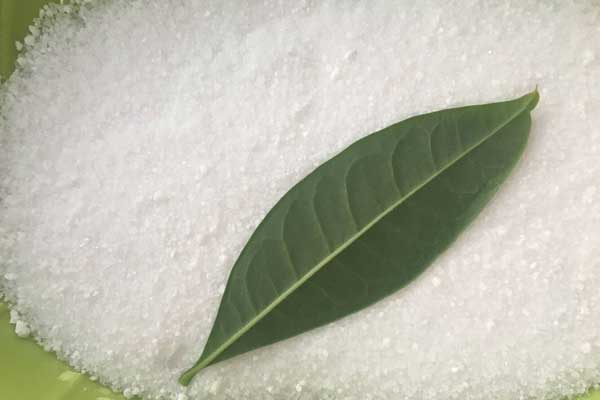
Sodium Gluconate 98% Powder
- CAS NO.: 527-07-1
- HS Code: 29181690
- MF: C6H11NaO7
- Tech Grade: Industrial Grade
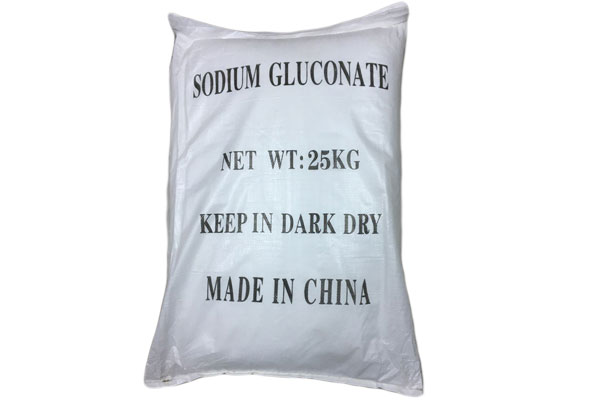
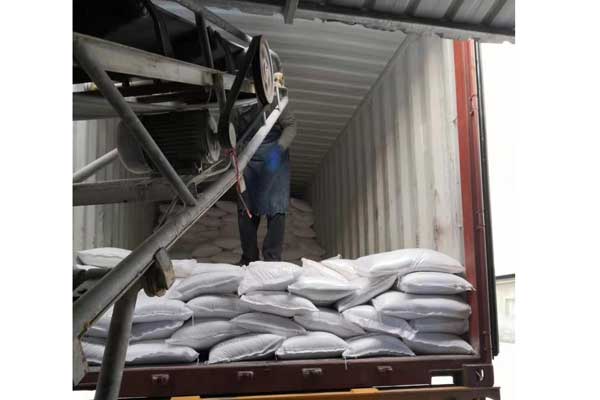
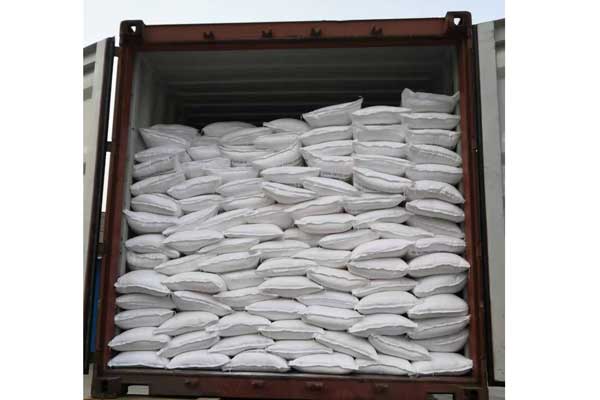
- Package: 25 kg/PP bag, 26tons in 20’FCL without pallets;
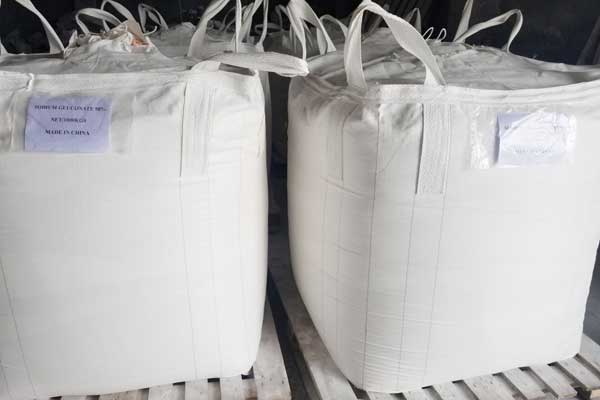
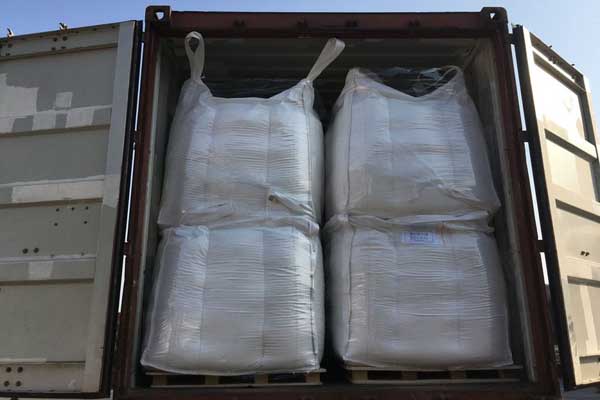
1000kg/Jumbo bag on pallet, 20MT in 20’FCL;
1150kg/Jumbo bag on pallet, 23MT in 20’FCL; - Applications: Used as concrete retarder in construction industry; Used as water quality stabilizer in water treatment industry; Used in textile industry, oil industry, food industry, medical industry, etc.
Technical Specifications of Sodium Gluconate for Sale in Our Company
| Item | Sodium Gluconate (CAS 527-07-1) |
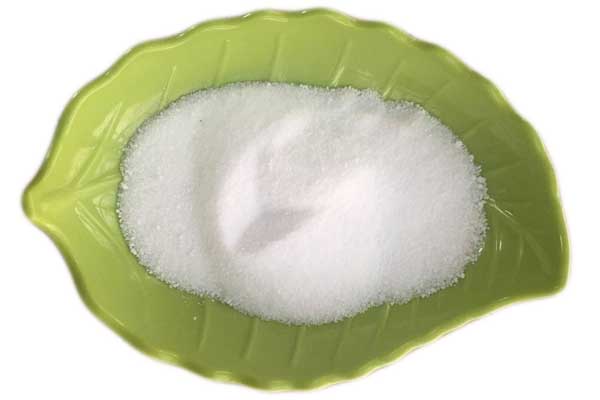
| Appearance | White crystalline powder |
| Purity % | 98 Min |
| Loss on drying % | 0.50 Max |
| Sulphate (SO42-) % | 0.05 Max |
| Chloride (Cl) % | 0.07 Max |
| Heavy metals (Pb) ppm | 10 Max |
| Reduzate (D-glucose) % | 0.7 Max |
| PH (10% water solution) | 6.2~7.5 |
| Arsenic salt(As) ppm | 2max |
| Packing & Loading | 25 kg/PP bag, 26tons in 20’FCL without pallets; 1000kg/Jumbo bag on pallet, 20MT in 20’FCL; 1150kg/Jumbo bag on pallet, 23MT in 20’FCL; |
Would like The Quotation?
Leave your demands in detail here(including the model, package, brand, quantity), we will reply you quickly.
What Are Advantages of Sodium Gluconate Uses in Concrete
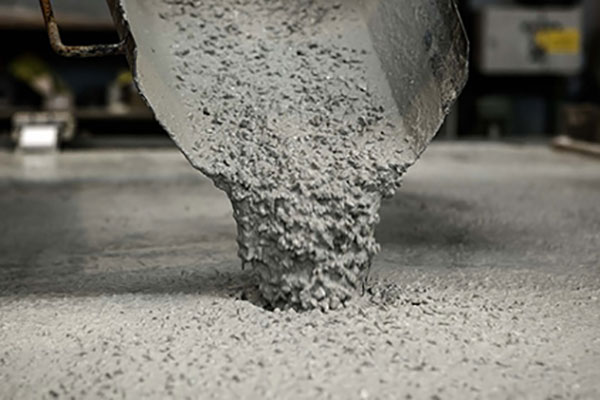
Adding a certain amount of SG concrete admixture to the water-reducing agent can increase the water-reducing rate, improve the plasticization of the water-reducing agent, and increase the strength of concrete.
Without adding other retarders, only adding a small amount of sodium gluconate to the concrete can achieve the effect of retarding pumping, thereby solving the problems of difficulty in construction or mass concrete construction in high temperature and hot seasons. It won’t affect the concrete performance strength.
Using SG concrete admixture alone or in combination with other types of admixtures to produce water reducing admixture, concrete retarder admixture and pumping agents can improve concrete performance, reduce costs, and have significant economic effects.
What Is Sodium Gluconate Used for?
Uses in Concrete as Water Reducing Admixture&Concrete Retarder Admixture
After adding a certain amount of sodium gluconate powder to cement, it can increase the plasticity and strength of concrete. It also has a retarding effect, that is, delaying the initial and final solidification period of concrete. Usually used as a water reducer and concrete retarder admixture in concrete.
Used as water reducing admixture. Adding water reducing agent can reduce the water-cement ratio(W/C). The advantages of sodium gluconate uses in concrete as water reducer are as follows.
- Improve workability. When the water-cement ratio(W/C) remains the same, adding sodium gluconate can improve workability. At this time, it acts as a plasticizer. When the addition amount is below 0.1%, the degree of improvement in workability is directly proportional to the addition amount.
- Increase strength. When the cement content remains the same, the water content in the concrete can be reduced. When the amount of sodium gluconate added is 0.1%, the amount of water added can be reduced by 10%.
- Reduce cement content. Reduce the water and cement content in the same proportion, and the W/C ratio remains the same.
Used as concrete retarder admixture. Sodium gluconate can significantly delay the setting time of concrete. When the dosage is less than 0.15%, the logarithm of the initial setting time is directly proportional to the dosage. That is, the dosage is doubled, and the initial setting time can be delayed to ten times, which makes the working time extend from a few hours to a few days without compromising the strength. Especially in hot weather and when it needs to be placed for a long time.
Used as water quality stabilizer
With excellent corrosion and scale inhibition effects, SG is widely used as a water quality stabilizer, for example, as treatment agent for circulating cooling water systems in petrochemical enterprises, low-pressure boilers, and cooling water systems for internal combustion engines.
- Obvious coordination effect. It is suitable for formulas such as molybdenum, silicon, phosphorus, tungsten, nitrite, etc. Due to the coordination effect, it can greatly improve the corrosion inhibition effect.
- The corrosion inhibition rate increases with increasing temperature. Generally, corrosion inhibitors will decrease with the increase of temperature, or even lose their effect completely. However, the corrosion inhibition rate of gluconic acid sodium salt will increase with increasing temperature within a certain range. This unique characteristic of sodium gluconate as a corrosion inhibitor is ideal for higher temperature systems or systems with temperature changes from low to high temperatures.
- Strong anti-scaling ability. It has a strong complexing ability to calcium, magnesium and iron salts, so it has a strong anti-scaling ability. Especially for Fe3+, it has an excellent chelating effect.
- Eliminate public hazards. Sodium gluconate is used as a corrosion and scale inhibitor for circulating cooling water and it can eliminate public hazards at the same time. This is an advantage that other corrosion and scale inhibitors don’t have.
Used as cleaner
Used as special cleaning agent for glass bottles. A professional glass bottle cleaner with gluconic acid sodium salt as the main formula can improve the following common problems. The detergency isn’t strong and it is easy to block the nozzle and pipeline of the bottle washer. Unsatisfactory de-staining power to bottle stickers and bottle neck rust. Trace residues after washing affect the safety of food, such as phosphate residues. The discharge of washing water causes pollution.
Used as steel surface cleaner. If the steel surface needs to be plated, chrome-plated, tin-plated, nickel-plated for special purposes, then the surface of the billet must be strictly cleaned to make the plating material and the steel surface firmly bonded. Adding sodium gluconate to the cleaning agent will achieve desired results.
Used in the food industry
Sodium gluconate food grade is non-irritating, no bitter and astrigent. Mask the bitter taste of magnesium. Gluconic acid sodium salt has the effect of masking the unique bitterness of magnesium, zinc, iron and other trace metals, especially magnesium, and is suitable to use in beverages and health foods.
Replace table salt for food processing. Sodium gluconate can replace table salt in food processing to improve characteristics, adjust fermentation, and endow various functions such as food preservation and dehydration. Sodium in sodium gluconate only accounts for 10.05% of the molecular weight, while sodium in table salt accounts for 39.3% of the molecular weight. For the same amount of sodium gluconate and table salt, the amount of sodium in the former is only 1/4 of that of the latter. Therefore, sodium gluconate can completely replace table salt to process salt-reduced or even salt-free foods, and play a great role in improving human health.
Used In medicine
It plays an important role in maintaining extracellular osmotic pressure and capacity, regulating acid-base balance, and exerting the normal function of neuromuscular. It can effectively prevent the occurrence of low sodium syndrome.
Other Uses
Used as an electroplating additive in the electroplating industry. It can be operated at a higher temperature and can be directly plated to obtain a bright gold coating without polishing and chrome plating. It has good rust removal performance.
In image develop industry. Adding an appropriate amount of gluconic acid sodium salt powder to the developer will make the image clear and stain-free.
How Is Sodium Gluconate Powder Made
Take crystalline glucose as raw material, dissolve crystalline glucose in water and add the catalyst. At a certain reaction temperature, add sodium hypochlorite solution, while adding lye dropwise to make the equilibrium system move toward the direction of sodium gluconate generation. After the reaction finishes, the sodium gluconate product can be obtained by concentrating and crystallization. The process is easy to control, but the yield of sodium gluconate is low, and sodium chloride impurities are mixed in the product, which will limit the application of the product.
Based on the principle of electrochemistry, a certain amount of glucose solution and appropriate electrolytes are added to the electrolytic cell in advance. Control the reaction temperature, and then pass a constant current into the electrolytic cell to carry out the electrolysis reaction. After the electrolysis, concentrate and crystallize the electrolyte to obtain sodium gluconate crystals.. The electrolytic oxidation method has high production costs, complex equipment, and difficult reaction control, so it is not suitable for industrial production.
Add a certain concentration of glucose solution and catalyst to the reaction tank, and then an appropriate amount of air is passed into the reaction system. Control a constant reaction temperature and pH. After the reaction finishes, we can obtain the sodium gluconate crystals by filtration, concentration of crystals, and centrifugal drying. The process is simple, the product quality is better, but the catalyst cost is higher.
Including fungal fermentation and bacterial fermentation processes. The process of producing sodium gluconate by fermentation of Aspergillus niger is commonly used. The method is to obtain glucose lactone and hydrogen peroxide by simple dehydrogenation of glucose through the glucose oxidase produced by Aspergillus niger, while adding a certain amount of NaOH solution to maintain a certain pH value to obtain sodium gluconate. With the development of fermentation control theory and technology, its production technology continues to improve, its production scale continues to expand, product costs continue to decrease, and the production technology is more concise and environmentally friendly.
Would like The Quotation?
Leave your demands in detail here(including the model, package, brand, quantity), we will reply you quickly.
FAQs about Sodium Gluconate as a Concrete Retarder
1. What is sodium gluconate?
Sodium gluconate, the sodium salt of gluconic acid, is white crystalline particles or powder in appearance. It has the characteristics of soluble in water, non-corrosive, non-toxic and easily biodegradable. The chemical has a wide range of uses in industrial fields. Firstly, it can be used as a high-efficiency retarder and water reducer admixture in concrete industry. Secondly, it can be used as a high-efficiency chelating agent in construction, textile printing and dyeing, metal surface treatment, water treatment industry and other industrial fields. Meanwhile, it can also be used as steel surface cleaning agent, glass bottle cleaning agent, aluminum oxide coloring in electroplating industry.
2. What is the main function of sodium gluconate in concrete?
It primarily functions as a high-efficiency retarder in concrete, while also possessing water-reducing and plasticity-retaining properties. Its core function is to slow down the hydration reaction of cement, thereby extending the setting time of concrete.
3. What is the retarding mechanism of Na gluconate?
The hydroxyl and carboxyl groups in the sodium gluconate molecule have a strong adsorption effect on cement particles, especially tricalcium aluminate and tricalcium silicate minerals that play a key role in early hydration. This adsorption forms a protective film on the surface of cement particles, temporarily preventing water molecules from contacting the cement particles, thus “pausing” the hydration process. Over time, this film is destroyed, and the hydration reaction resumes normal.
4. Besides retarding, what other benefits does SG powder offer?
Reduce water consumption. While maintaining the same fluidity, it can reduce the amount of mixing water by approximately 5-10%, thus achieving a water-reducing effect.
Improve workability. Enhance the fluidity, cohesiveness, and pumpability of concrete, making it easier to pour and compact.
Reduce heat of hydration. Slow down the hydration rate, helping to reduce early temperature rise peaks and minimizing the risk of temperature cracks in large-volume concrete due to excessive internal and external temperature differences.
Improve later strength. Due to the reduced water-cement ratio and denser internal structure, the 28-day and later strength of concrete are typically significantly improved.
5. When is sodium gluconate retarder needed?
High-temperature season construction. It can prevent concrete from setting too quickly due to excessive temperature, ensuring sufficient time for transportation, pouring, and vibration.
Long-distance transportation. Especially for ready-mixed concrete, ensuring the concrete still possesses the required workability upon arrival at the construction site.
Large-volume concrete projects. Such as large foundations, dams, and bridge piers, used to delay setting, reduce heat of hydration, and prevent cracking.
Complex structure pouring. When requiring long periods of continuous operation or special processes.
Situations requiring improved workability. Such as high-flowability concrete and self-compacting concrete.
6. What is the commonly used dosage of sodium gluconate?
The dosage is typically 0.01% – 0.10% of the total weight of the cementitious materials.
The optimal dosage must be determined through rigorous concrete mix design testing, as it is affected by various factors such as cement type, temperature, mix proportions, and required setting time. Insufficient dosage will have little effect, while excessive dosage may lead to excessive retardation, extremely slow strength development, or even failure to set for several days.
7. How is sodium gluconate added?
It is usually added as an aqueous solution along with other mixing water during concrete mixing. It is essential to ensure the solution is evenly dispersed within the mixer. When using the powder directly, special attention must be paid to dust prevention and dissolution.
8. How much will the setting time of concrete be extended after using sodium glucoheptonate?
This depends on the dosage, temperature, and cement type. Generally, at standard dosages, the initial and final setting times can be extended by 1 to 4 hours or even longer. For example, at 30℃, a suitable dosage may extend the setting time by 2-3 hours.
9. Will using SG retarder affect the final strength of concrete?
As long as the dosage is appropriate, it will not only not reduce strength, but will actually increase later-stage strength. This is because it lowers the water-cement ratio and optimizes the cement paste structure. However, excessive dosage will lead to severely delayed hydration and extremely low early strength. Although the later strength may catch up, it will affect the construction schedule.
10. Which types of cement is SG retarder effective for?
Yes, it has the most significant and stable effect on silicate cements. For rapid-hardening cements such as sulfoaluminate cement, its retarding effect is also obvious, but dosage control and testing are more critical. Different manufacturers and different batches of cement have different sensitivities to it, so it is best to test it before large-scale application.
11. What are its advantages compared to other retarders on the market?
Stable performance. Synthetic product, stable quality, unaffected by seasons and raw material sources.
Good adaptability. Good compatibility with various water-reducing agents (especially PCE superplasticizer), and excellent results when used in combination.
No adverse side effects. Do’t entrain air and has no negative impact on concrete durability.
12. What is the biggest risk of using sodium gluconate retarder?
The biggest risk is excessive use leading to over-retardation. This manifests as prolonged failure of concrete to harden, surface bleeding, and extremely slow strength development, severely impacting construction plans and structural safety.
13. Will sodium gluconate corrode reinforcing steel in concrete?
No. As an organic compound, it does not contain chloride ions and has no corrosive effect on reinforcing steel. Its aqueous solution is weakly alkaline and compatible with the concrete environment.
14. How to evaluate and select a good sodium gluconate retarder?
Purity and consistency. The product’s effective ingredient content is stable with minimal batch-to-batch variation.
Compatibility with cement. Cement paste and concrete mix design tests must be conducted to observe setting time curves and strength development.
Supplier qualifications. Choose a reliable supplier with technical support and quality assurance.
Standard compliance. The product should comply with relevant building materials industry standards.
15. What is the chelating property of sodium gluconate powder?
The outstanding property of this chemical is its excellent chelating ability, especially in alkaline and concentrated alkaline solutions. Sodium gluconate chelates with various ions and forms stable complexes, preventing them from chemically reacting. Its aqueous solutions of sodium gluconate are resistant to oxidation and reduction even at high temperatures. However, it is easily biodegraded, so there is no wastewater problem.
16. Is SG chemical toxic?
Sodium gluconate is nontoxic. Sodium gluconate and its chelate complexes with heavy metal ions existing in water can be rapidly and completely degraded by ordinary biochemical treatment. Heavy metal ions released during the degradation process can be removed by precipitation, or by adsorption on the sludge formed during wastewater treatment.
About Sodium Gluconate Supplier - Chemate
- Professional and reliable supplier in China. With more than 15 years of experience in production and sales, Chemate can provide better service and products for all the customers.
- ISO/SGS/BV Certifications. All of our products have passed quality inspection and certifications.
- Competitive price. With no the third party, you can get the best factory price from us. Are you looking for sodium gluconate supplier ? Inquiry us to get the best sodium gluconate price.
- Email: sales@chemategroup.com
- Tel: 0086-371-60921621
- Whatsapp: +86 18624832876
- Wechat: +86 18624832876
- ADD: NO.80 PUHUI ROAD,ZHENGZHOU CITY, HENAN PROVINCE, CHINA