
Home » Trichloroisocyanuric Acid TCCA 90
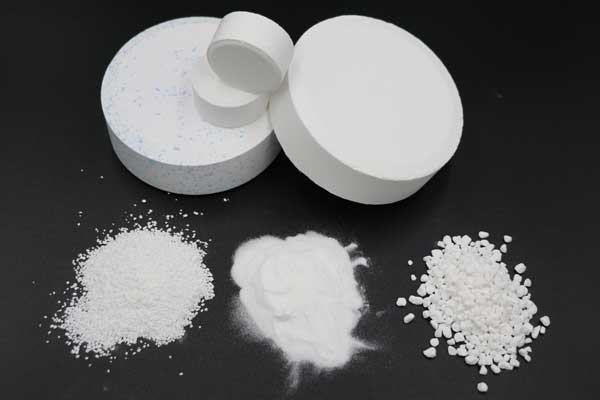
Trichloroisocyanuric Acid TCCA 90 Chlorine
- CAS NO.: 87-90-1
- HS Code: 2933.6922.00
- MF: C3CL3N3O3
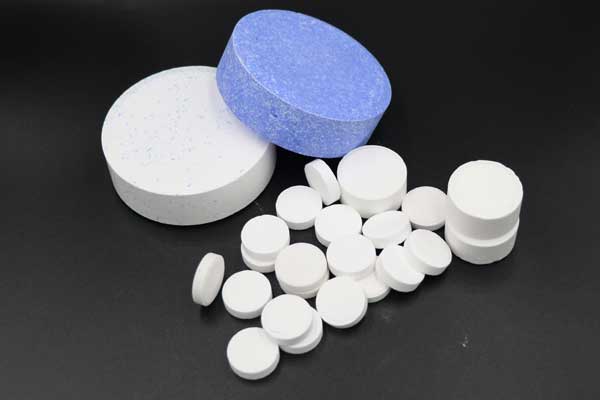
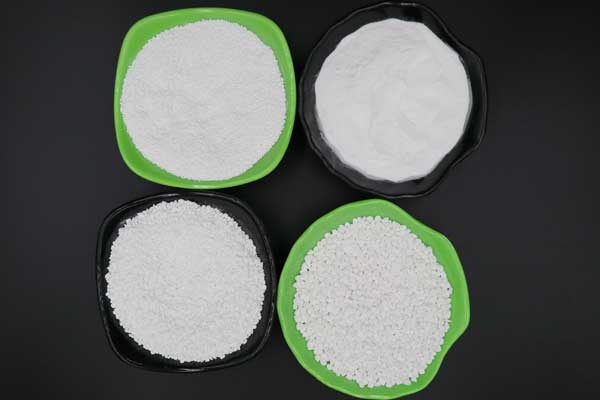
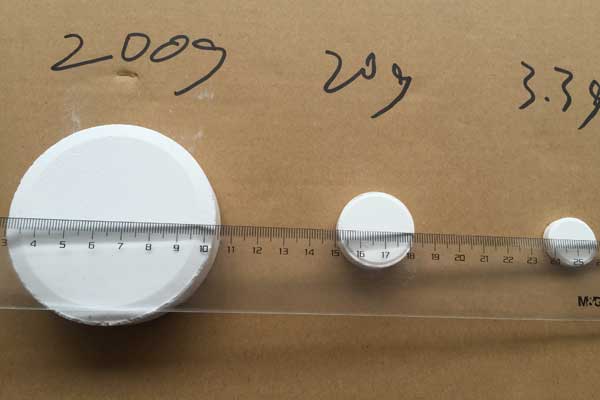
- Specifications: Powder, Tablet(size: 200g/tablet, 50g/tablet, 20g tablet, 2g/tablet, 1g/tablet), Granular(size: 5-8mesh, 8-15mesh,8-30mesh, 20-60mesh), . Size of granular and tablets can be customized.
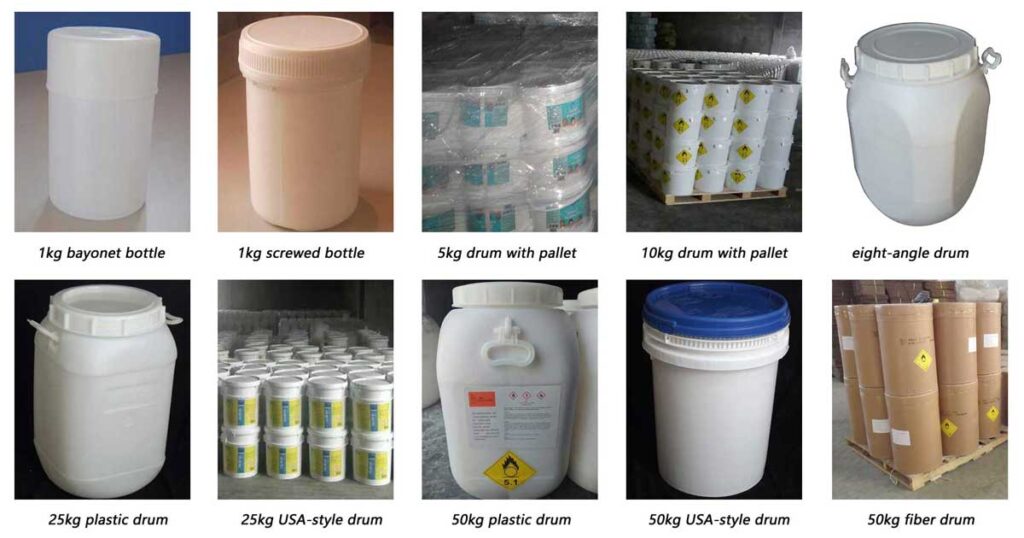
- Package: 1kg bottle, 5kg/10kg/25kg/50kg plastic drum, 25kg/50kg fiber drum.(can be customized)
- There are TCCA Tablets/TCCA Granulars/TCCA Powder for sale in Chemate to meet different demands of customers. We can also supply multifunctional chlorine tablets. If you have any need, inquiry us to tell us more about your requirements, we will reply you, send you the quotation quickly.
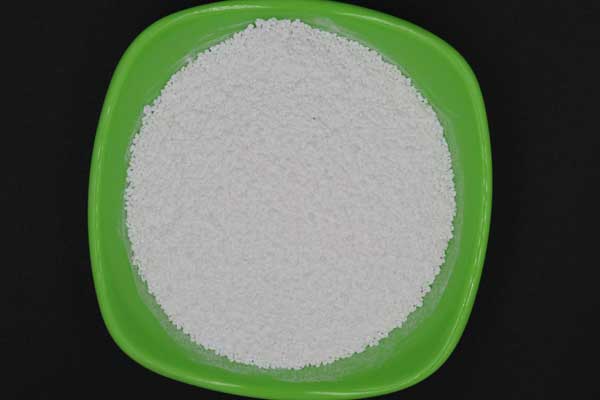
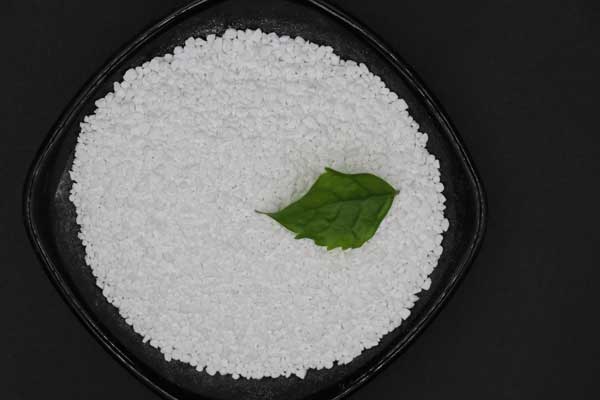
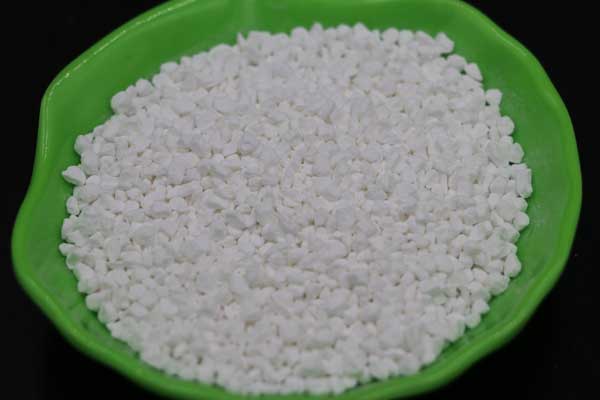
Technical Specifications of Trichloroisocyanuric Acid in Our Company

| Item | TCCA 90 |
| Effective chlorine content,% ≥ | 90 |
| PH,1% aqueous solution | 2.7-3.3 |
| Moisture,%≤ | 0.5 |
| Appearance | Powder |
| TCCA Granular size: 5-8mesh, 8-15mesh,8-30mesh, 20-60mesh etc. | |
| TCCA Tablet size: 200g/tablet, 50g/tablet, 20g tablet, 2g/tablet, 1g/tablet etc. |
| Items | TCCA Multi-functional granular/tablet |
| Effective chlorine content,% | 85-86(can be customized) |
| PH,1% aqueous solution | 2.7-3.3 |
| CuSO4,%≥ | 2.5(can be customized) |
| AL2(SO4)3,%≥ | 2.5(can be customized) |
| Appearance | Granular size: 5-8mesh, 8-15mesh, 8-30mesh, 20-60mesh etc. |
| Tablet size: 200g/tablet, 20g tablet etc. |
Would like The Quotation?
Leave your demands in detail here(including the model, package, brand, quantity), we will reply you quickly.
What Are Trichloroisocyanuric Acid Uses
>> For Swimming Pool Disinfection
Swimming pools are easy to breed bacteria and microbial algae, which will affect people’s health. As we all known, TCCA 90 chlorine is the best disinfectant for swimming pool water treatment. Long-term use can make the pool wall free of algae and non-slip.
>> Disinfection of Drinking Water
It can not only kill all kinds of germs in the water, but also kill all kinds of algae microorganisms, destroy and eliminate pollutants dissolved in the water. It is suitable for clean drinking water in dry and heavily polluted areas, as well as for purification of drinking water in military field accommodation, field operations and tourism, etc.
>> Industrial circulating water treatment
It can strongly kill fungi, green algae, red algae, seaweed and other algae plants in the pipes, heat exchangers, cooling towers, condensers, pools and other systems of the circulating water system. In particular, it has a thorough killing effect on sulfate-reducing bacteria, iron bacteria, and fungi in the circulating water system. So as to provide guarantee for the safe and normal operation of the system.
>> Used for bleaching in the textile industry
Trichloroisocyanuric acid can release hypochlorous acid in water and react with the conjugate bond of the fiber, destroying the original conjugate system, changing the wavelength of light absorption by the fiber, so as to achieve the purpose of bleaching. Used for the bleaching and sterilization in the textile printing and dyeing industry, it not only has excellent bleaching effect on fabrics, but also has a much lower degree of fiber erosion than other bleaching agents. Meanwhile, it can also improve the tensile strength and elongation of natural and synthetic fibers, increase hydrophilicity, prevent cellulose degradation.
>> Used in daily chemical washing field
Adding TCCA powder in the production of washing powder, rinsing powder, chlorine bleaching essence and other washing products can play a role in bleaching, sterilizing, as well as improving product quality.
>> Used for wool shrink-proof treatment
The outer surface of the wool fiber is covered with a layer of scales. Due to the relative movement of the scales, the so-called felting effect occurs, which gradually shrinks the woolen fabric and produces longitudinal and lateral shrinkage. TCCA chemical decomposes into hypochlorous acid in water, and then liberates new ecological atomic oxygen, destroys part of the disulfide bridge molecules of protein molecules, and transforms into sulphuric bridges to eliminate the scaly outer skin of wool, thereby achieving the purpose of preventing shrinkage. It can not only reduce felting, but also improve the gloss and dyeability of wool. The treated fiber does not shrink and does not pill.
>> Used for sterilization and disinfection in aquaculture
Sterilize the water and environment of aquatic animal husbandry, fish, shrimp, silkworm, livestock, poultry and other breeding places. So as to prevent the growth of bacteria and infectious diseases.
>> Used in medicine field
It can be used for disinfection of hospital sewage, medicine bowls and instruments, as well as large-scale sterilization in public areas. TCCA chlorine has killing effect on almost all fungi, bacteria and virus spores, and special effect on killing hepatities A and hepatitis B virus, also has good disinfection effect on sex virus, HIV and COVID-19.
>> In food processing industry
Instead of chloramine T for food disinfection, its effective chlorine content is three times that of chloramine T. It can also be used as a decolorizing and deodorizing agent for dextrin. It is also suitable for sterilization of tableware, as well as the preservation of fruits, the treatment and general disinfection of food such as rice seeds.
>> Disinfection of seeds
Disinfecting seeds with trichloroisocyanuric acid can break the dormancy period of seeds, increase the germination rate of seeds, and inhibit the occurrence of diseases. At the same time, there is no environmental pollution problem, and it is harmless to humans and animals.
>> In other industrial fields
Disinfectant and deodorant for household and public places. Used as a raw material in the organic synthesis industry, it can synthesize a variety of organic substances such as isocyanurate triesters. The product of the decomposition of trichloroisocyanuric acid, cyanuric acid, is not only non-toxic, but also has many uses, such as the production of a series of resins, coatings, adhesives, and plastics.
Would like The Quotation?
Leave your demands in detail here(including the model, package, brand, quantity), we will reply you quickly.
Know More About TCCA Chemical
1. What Is Trichloroisocyanuric Acid Chemical
Trichloroisocyanuric acid, TCCA, is currently a highly effective, low-toxic and fast disinfectant bleaching agent widely used in swimming pool disinfection, drinking water disinfection and disinfection in many other industrial fields. TCCA trichloroisocyanuric acid with 90% effective chlorine content is always known as TCCA 90 chlorine, which is a very strong oxidizing agent and chlorinating agent.
2. Why TCCA 90?
The “90” in “TCCA 90” refers to an effective chlorine content of trichloroisocyanuric acid ≥90%. This value is both its core quality indicator and a key parameter determined by industry standards and product characteristics.
① Chemical structure characteristics: The molecular formula of TCCA is C₃Cl₃N₃O₃, containing 3 active chlorine atoms. These chlorine atoms have strong oxidizing properties (valence > -1) and are the effective components for sterilization and disinfection. In theory and actual production, an effective chlorine concentration of over 90% can be achieved.
② Industry standard requirements: Relevant standards clearly define an effective chlorine content of ≥90.0% as a core indicator for high-quality TCCA. “TCCA 90” is a product label that meets this standard, distinguishing it from similar derivatives with lower effective chlorine content.
③ Matching application needs: A 90% effective chlorine content balances disinfection efficiency and usage costs. Compared to traditional disinfectants, TCCA 90 requires less dosage and has a stronger bactericidal effect, meeting the high-efficiency disinfection needs of drinking water, industrial circulating water, and other applications.
④ Production process guarantee: By optimizing the chlorination reaction process and adding impurity filtration steps, the product purity can be precisely controlled, ensuring that the effective chlorine content is stable at around 90%, guaranteeing product quality consistency.
3. What Is Multifunctional Chlorine Tablets
Multifunctional chlorine tablets are a kind of special TCCA tablets with algaecide(copper sulfate) and clarifying agent(aluminum sulfate). The available chlorine in the tablets can kill bacteria and other organisms, algaecide can prevent algae growth, while clarifier can bind together some of the debris and particles enter the water that are too small to be captured by the filtration system , thereby eliminating it. Multifunctional chlorine tablets are a kind of slow-release and stabilized chlorine tablets. It is mostly used for disinfection of swimming pool water and hot hub water.
4. How to Choose, TCCA Tablets, TCCA Granular or TCCA Powder
From the dissolution rate of TCCA tablet/granular and powder, the powder is undoubtedly the fastest, while tablets are the slowest. So if you want to achieve a quick disinfection effect, you can choose to purchase trichloroisocyanuric acid powder or granular. And if the long lasting disinfection effect is what you want, you can buy trichloroisocyanuric acid tablets. For that, TCCA tablets dissolve slowly in water, allowing the continuous presence of chlorine. As an illustration, there is no need to constantly add chlorine-containing disinfectants to the water, which can ensure long-term disinfection effects. Of course, you can also use the three trichloroisocyanuric acid TCCA together in proper ways. Trichloroisocyanuric acid granular and tablets for sale in Chemate are with different sizes and weight for customers to choose.
5. What is the mesh size of TCCA granules?
The “mesh size” of TCCA granules refers to the number of holes per inch (25.4 mm) of the sieve, which primarily reflects the particle size. A higher mesh number indicates finer particles and a smaller particle size, resulting in a faster dissolution rate. The lower the mesh number, the coarser the particles, the larger the particle size, and the slower the dissolution rate.
6. How to choose TCCA granules with different mesh sizes?
Low mesh TCCA granules
(10-20 mesh, particle size approximately 0.85-2.0mm)
Advantages: Slow dissolution rate, long-lasting release of available chlorine, less dust, less likely to become airborne during application, and less wear on dosing equipment.
Applicable scenarios: Long-term disinfection of fish ponds, industrial circulating cooling water (small, frequent additions to maintain stable residual chlorine), and slow-release disinfection of large reservoirs.
Not suitable for emergency rapid disinfection. Require pre-application to ensure efficacy.
Medium mesh TCCA granules
(20-40 mesh, particle size approximately 0.42-0.85mm)
Advantages: Medium dissolution rate, balancing disinfection efficiency and long-lasting effect, and strong versatility.
Applicable scenarios: Conventional water treatment disinfection (such as small swimming pools, landscape water), ground or environmental disinfection in public places (spraying after dissolution), and routine sterilization of agricultural breeding sites.
Can be directly broadcast or dissolved with simple stirring. It is the preferred choice for most general scenarios.
High mesh TCCA granules
(40-60 mesh, particle size approximately 0.25-0.42mm)
Advantages: Fast dissolution rate, can quickly increase the residual chlorine concentration in the water, suitable for emergency situations.
Applicable scenarios: Emergency wastewater treatment (rapid killing of harmful microorganisms), disinfection of suddenly polluted water bodies, and rapid disinfection of small containers.
Note: The finer particles may produce a small amount of dust, so respiratory protection should be used during operation. Not suitable for long-term slow-release scenarios, otherwise it may lead to a rapid increase followed by a rapid decrease in chlorine concentration, resulting in ineffective disinfection.
In addition, the choice should also consider the dosing equipment. If using a pipe-type dosing device, it is recommended to choose granules above 20 mesh to avoid clogging. If manually broadcasting, low-to-medium mesh granules are more convenient to handle. For high water turbidity, higher mesh granules can be selected to improve dissolution and diffusion speed.
7. How to choose the right size of TCCA tablet?
Clearly define the application scenario and scale:
Household or small-scale applications (like drinking water, small container disinfection): Choose small sizes of 0.5g–5g TCCA tablet for easy and precise dosing, avoiding excessive residual chlorine.
Swimming pools and hot springs: 20g TCCA tablet for small pools, 200g TCCA tablet for large pools and automatic dosing, suitable for use with floating dispensers/dosing devices, providing slow-release chlorine control.
Industrial or aquaculture (circulating water, large fish ponds): Large sizes of 100g–500g, suitable for hopper-type dosing systems, reducing the cost of frequent dosing.
Emergency shock disinfection: Prioritize small sizes or use in combination with TCCA granules or TCCA powder for rapid chlorine release. Large TCCA tablets dissolve slowly and are not suitable for shock treatment.
8. Sterilization Principle of Trichloroisocyanuric Acid TCCA Disinfectant
Trichloroisocyanuric acid can be hydrolyzed in water to form hypochlorous acid and isocyanuric acid. Hydrolysis of 1 mol trichloroisocyanuric acid will generate 3 mol hypochlorous acid and 1 mol isocyanuric acid. Hypochlorous acid can quickly release green ecological molecular oxygen, which is generally indicated by available chlorine. This kind of new green ecological oxygen has a very obvious ability to oxidize the air. It is very easy to diffuse outside. According to the reflection of the plant cells and protoplasm of the microbial species, it forms a stable nitrogen-chlorine bond with the protein of the somatic cell, which can quickly oxidize the organic chemical substances in the air and quickly kill all kinds of bacteria. In addition, the hydrolyzed substance isocyanuric acid can prevent the destruction of available chlorine by sunlight.
9. What Are Advantages of TCCA Disinfectant
- Excellent sterilization effect and can last for a long time.
- High content of available chlorine, can release effective chlorine in water for much longer time.
- Safe and non-toxic, have no side-effects on skin, hair and eyes.
- No white turbidity.
- Stable in transportation and storage.
- Non-corrosive to stainless steel.
10. What are the advantages of TCCA compared to traditional disinfectants (such as bleaching powder and liquid chlorine)?
① High effective chlorine content, low dosage, and high disinfection efficiency.
② Stable storage and transportation, not easily decomposed, more convenient for forming and use.
③ Long-lasting release of effective chlorine in water, providing sustained disinfection.
④ Less impact on water pH, reducing subsequent adjustment steps.
⑤ Low corrosiveness to fibers, resulting in better product quality after bleaching.
11. Why does TCCA dissolve slowly in water and tend to clump?
TCCA itself has low solubility, and its dissolution rate is greatly affected by water temperature. It dissolves even slower in cold water, and direct addition can easily cause clumping, affecting the disinfection effect.
12. How to solve the problem of TCCA clumping?
First, pre-dissolve the TCCA in a small amount of warm water, stir evenly, and then pour it into the target water body and continue stirring. Avoid directly adding powder, use tablets or a dedicated dosing device.
Control the water temperature below 40℃ to prevent high temperatures from accelerating chlorine volatilization and reducing efficacy.
13. What are the recommended concentrations and dosages of TCCA for different scenarios?
① Drinking water disinfection: Add 0.4 grams per 100 kilograms of water, stir well, and let it stand until the required standard is met.
② Swimming pool water: Add 3-5g per cubic meter of water daily to maintain a residual chlorine content of 0.3-0.5 mg/L.
③ Industrial circulating cooling water: Add 0.5g per cubic meter of water, controlling the free chlorine concentration to 0.25-0.5 ppm, and pH value to 7-8.
④ Tableware disinfection: Add 0.25g per 5 kilograms of water, soak for 5 minutes.
⑤ Fish pond disinfection: For prevention, use a concentration of 0.2 ppm for whole pond application. For treatment, use a concentration of 0.3-0.4 ppm for 2 consecutive days.
14. Is it better to use tap water or distilled water when preparing TCCA solution?
It is recommended to use distilled water or deionized water. Tap water contains minerals and impurities that may react with TCCA or adsorb effective chlorine, reducing the sterilization effect. If tap water must be used due to limited resources, it should be allowed to settle beforehand to remove impurities.
15. What is the shelf life of TCCA solution?
TCCA solution can maintain its effectiveness for about 1 month under low-temperature sealed storage conditions. The shelf life is shorter at room temperature, so it should be used as soon as possible.
16. If the TCCA has a strong odor during use, does that mean it's more effective?
No. A strong odor indicates excessive chlorine release, which does not mean better disinfection. It may indicate overdosing and can increase health risks.
Treatment measures: Immediately stop adding the product and increase ventilation. Test the residual chlorine content in the water. If it exceeds the standard, add an appropriate amount of reducing agent to neutralize it, or dilute with clean water.
17. What are the hazards of TCCA to the human body?
① Skin contact: Causes redness, burning pain, and even chemical burns.
② Eye contact: Causes conjunctival congestion, corneal damage, and affects vision.
③ Respiratory Inhalation: Irritates the respiratory tract, causing cough and chest tightness. Long-term exposure may induce bronchitis.
④ Ingestion: Causes severe burning sensation in the mouth, esophagus, and stomach. In severe cases, it can lead to gastrointestinal perforation.
Emergency Treatment:
Skin/Eye Contact: Immediately rinse with plenty of running water for at least 15-20 minutes. Seek medical attention as soon as possible after eye contact.
Ingestion: Do not induce vomiting. Drink plenty of milk or egg whites to protect the gastric mucosa, and seek immediate medical attention.
18. Can TCCA be mixed with other chemicals?
It is absolutely forbidden to mix TCCA with other chemicals arbitrarily to avoid dangerous reactions:
① Do not mix with acidic substances, as this will produce toxic chlorine gas.
② Do not mix with ammonia compounds (liquid ammonia, ammonia water, urea, ammonium salts, etc.), as this will produce explosive nitrogen trichloride.
③ Do not mix with oxidizers, reducing agents, or non-ionic surfactants, as this may cause combustion or explosion.
If other agents need to be used in conjunction, they should be added at least 30 minutes apart, and a small-scale test should be conducted to verify safety before adding.
19. How to properly store Trichloroisocyanuric acid?
① Environment: Store in a cool, dry, and well-ventilated warehouse, protected from moisture, water, and fire.
② Isolation: Keep away from fire sources and heat sources. Do not store with flammable and explosive materials, ammonia compounds, oxidizers, reducing agents, etc.
③ Packaging: Store in a sealed container to prevent moisture absorption and clumping (in a humid environment, the effective chlorine loss can reach 15% after 6 months).
④ Precautions: Do not place in areas accessible to children, and keep away from food and drinking water sources.
20. Will using more Trichloroisocyaniric acid TCCA result in better disinfection?
No. The disinfection effect of TCCA is not directly proportional to the amount used, and excessive use can have potential hazards:
① Waste chemicals and increase costs.
② Accelerate equipment corrosion and shorten the service life of pipes, pumps, etc.
③ Lead to excessive cyanuric acid residue in the water, forming a “chlorine lock” phenomenon (when the concentration exceeds 100 ppm, the disinfection efficiency decreases by more than 50%).
④ Increase chlorine gas release, exacerbating harm to humans and the environment. The dosage should be scientifically calculated based on water turbidity, organic matter content, etc.
21. Are the decomposition products of TCCA harmful?
The main decomposition product of TCCA is cyanuric acid, which has low toxicity, but it degrades slowly in the natural environment. Excessive accumulation can affect aquatic ecosystems and inhibit the bactericidal effect of chlorine.
Measures to reduce environmental impact:
① Strictly control the dosage to avoid excessive application.
② Regularly monitor the cyanuric acid content in the water. If it exceeds 100 ppm, change the water promptly or use photocatalytic oxidation technology to accelerate degradation.
③ In scenarios such as wastewater containing high concentrations of organic matter and aquaculture, use low-residue alternatives such as chlorine dioxide or ozone.
22. Does Trichloroisocyaniric acid corrode metal equipment?
Yes, it is corrosive. The strong oxidizing properties of TCCA will corrode metal equipment, shortening its lifespan with long-term use.
Protective measures:
- Use equipment made of corrosion-resistant materials such as PVC or stainless steel.
- Rinse the equipment contact parts with clean water immediately after disinfection.
- Avoid direct contact of precision instruments with TCCA solution.
- Control the pH of the solution within a suitable range to reduce the risk of corrosion.
About Trichloroisocyanuric Acid TCCA Manufacturer - Chemate
- Reliable and professional manufacturer and exporter. With more than 15 years of production experience, we have our own production base and fully automated production line. So we can guarantee the delivery time.
- Quality guaranteed. We have strict quality management certification, such as ISO 9001, SGS, HACCP, KOSHER, HALAL, etc. Whether it is the selection of raw materials or every link in the production process, there is a dedicated quality inspection department to control the quality.
- Wide range of export countries. Our trichloroisocyanuric acid with different specifications have been exported to many countries and regions all over the world, such as Vietnam, Indonesia, Pakistan, Saudi Arabia, South Africa, Romania, Brazil, and many other countries in Southeast Asia, Middle East, South America, Europe, etc.
- Competitive price and excellent service. With no third party, the price is cheaper. Would like to get trichloroisocyanuric acid price? Feel free to inquiry us, we will reply you, send you quotation depends on your requirements very quickly.
- Email: sales@chemategroup.com
- Tel: 0086-371-60921621
- Whatsapp: +86 18624832876
- Wechat: +86 18624832876
- ADD: NO.80 PUHUI ROAD,ZHENGZHOU CITY, HENAN PROVINCE, CHINA