
Home » Triisopropanolamine TIPA
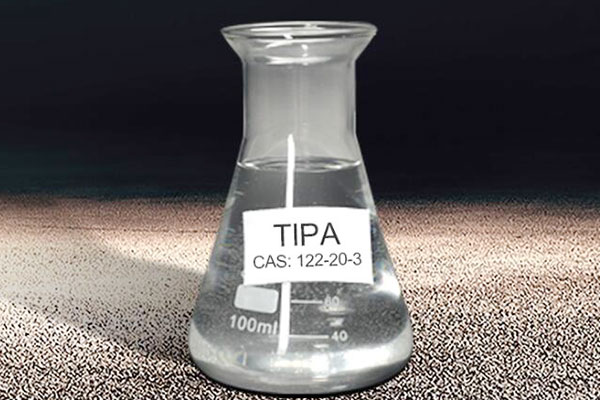
Triisopropanolamine TIPA 85% Chemical
- CAS NO.: 122-20-3
- EINECS NO.: 204-528-4
- Chemical name: 1, 1’, 1”-Nitrilotri-2-propanol
- MF: C9H21NO3
- Melocular Weight: 191.27
- TIPA Content %(m/m): ≥85%
- MIPA and DIPA Content %(m/m): ≤2%
- Water Content: ≤15%
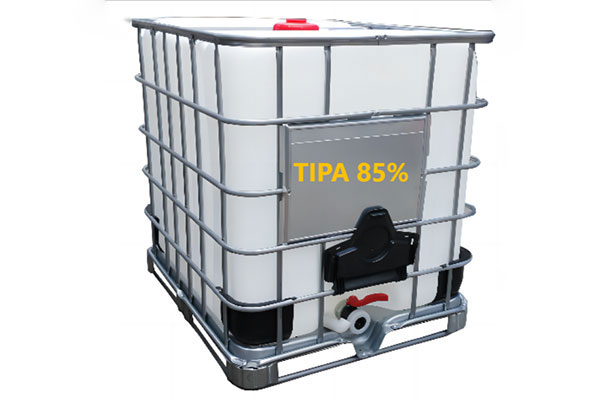
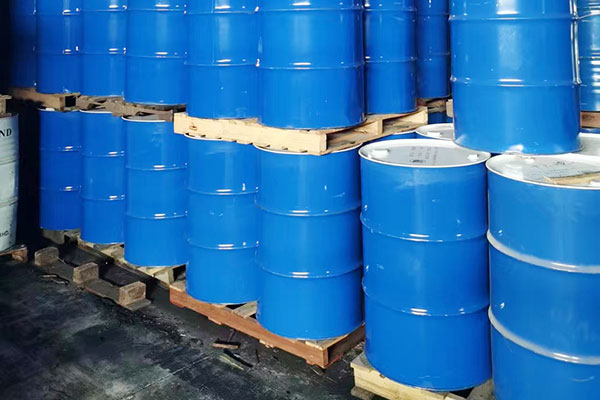
- Package:Net 215/220kgs drum or net 1000kgs IBC tank.
- Storage: Store in a cool and dry place, prevent from sunshine and rain. Shelf life is one year, and after then it could still be available once passed the chemical test.
Would like The Quotation?
Leave your demands in detail here(including the model, package, brand, quantity), we will reply you quickly.
What is Triisopropanolamine TIPA?
Triisopropanolamine (TIPA), with the chemical formula of C9H21NO3, belongs to the tertiary amine and triol class of compounds. Its molecular weight is 191.27 g/mol. The chemical structure of TIPA consists of a central nitrogen atom linked to three isopropanol groups, giving it both amine and hydroxyl functional groups. This dual functionality endows TIPA chemical with versatility, allowing it to be used as a surfactant, chelating agent, pH adjuster, and corrosion inhibitor.
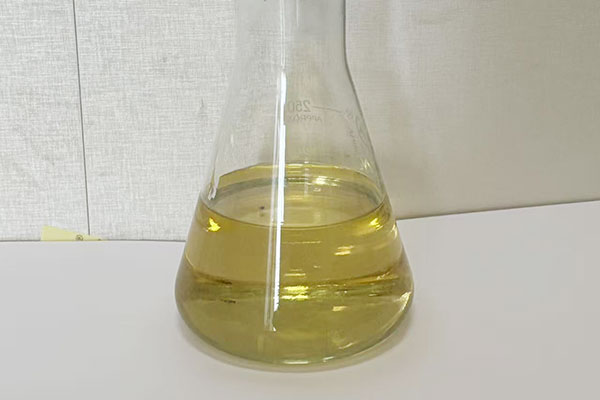
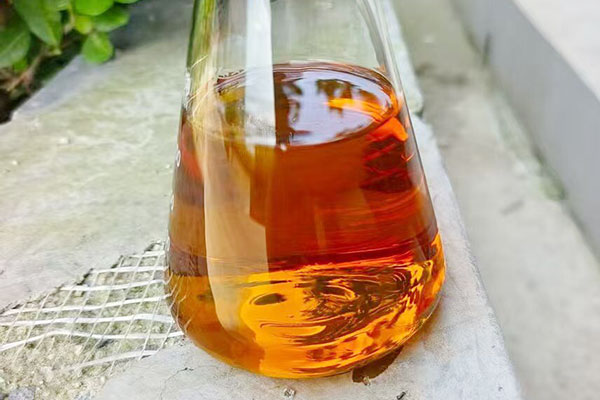
TIPA is typically a colorless to pale yellow viscous liquid at room temperature with a slight ammonia odor. It is readily soluble in water, alcohols, and other polar solvents, making it easy to add to aqueous formulations. Unlike primary and secondary alcoholamines, TIPA’s tertiary alcohol structure gives it greater stability under high temperature and alkaline conditions, a property particularly important in industrial processes such as cement hydration and metal processing.
What Are Main Application of Triisopropanolamine?
>> In the construction industry, as a high-efficiency cement grinding aid
As a key additive in the cement grinding process, its three-dimensional molecular structure provides stronger dispersibility, significantly improving grinding efficiency and reducing energy consumption. Compared to traditional triethanolamine, it can increase the 28-day compressive strength of concrete by 12%, making it particularly suitable for high-temperature construction environments.
>> In the polyurethane industry, as a multifunctional modifier
Crosslinking agent: Reacts with isocyanates to build a three-dimensional network, improving the strength, heat resistance, and wear resistance of products.
Catalyst: Mildly catalyzes the foaming reaction, balancing foaming and gelation rates, and optimizing cell structure.
Performance Regulator: The steric hindrance effect of isopropyl gives products both rigidity and toughness, with better aging resistance than triethanolamine alternatives. Widely used in the production of polyurethane elastomers, foamed plastics, and shoe sole materials.
>> Used as a high-efficiency deacidifying agent in the oil and water treatment industries
In natural gas desulfurization and oil refining, it can be used as an absorbent to selectively remove acidic gases such as hydrogen sulfide and carbon dioxide, generating water-soluble compounds and ensuring the purity of oil and gas products.
In the water treatment field, it is also used to remove acidic impurities from industrial wastewater, reducing the risk of water pollution.
>> Multifunctional Additives
Surfactants and emulsifiers. Used in water-based coatings, detergents, and cosmetic formulations to reduce surface tension and enhance system stability. Its salts formed with long-chain fatty acids exhibit excellent coloring stability, making it an ideal choice for cosmetic emulsification. Metalworking fluid additives. Improve the lubricity and rust prevention of cutting fluids, extending the rust prevention period from 7 days to 30 days.
>> Pesticides and Pharmaceuticals
As a chemical intermediate in the synthesis of herbicides, nitrogen fertilizers, and pharmaceutical raw materials, it can also adjust the PH value of pesticides and enhance solution stability.
>> Applications in New Energy and Electronic Materials
In photovoltaic silicon wafer wire cutting, its extreme pressure lubrication reduces the silicon wafer breakage rate to 0.3% and the cutting wire consumption to 18%.
Its applications in cutting-edge fields such as semiconductor cleaning and carbon fiber impregnation are also making continuous breakthroughs.
What are the excellent properties of TIPA Chemical as a high-efficiency cement grinding aid?
>> High-efficiency dispersion and grinding performance
Its three-dimensional molecular structure (three isopropyl hydroxyl groups and tertiary amine groups) provides super-strong surface activity, enabling it to quickly adsorb onto the surface of cement particles. Through charge repulsion, it breaks the van der Waals forces between particles, preventing agglomeration.
Specifically, it reduces the surface energy of cement particles, increasing particle crushing efficiency by 15-25% and mill hourly output by 10-15%. Optimized particle size distribution increases the proportion of 3-32μm particles (which contribute most to strength) by 3-5%, reduces 45μm sieve residue by over 3.2%, and increases specific surface area by 20.5 m²/kg (at a dosage of 0.05%).
Surface tension regulation capability is 1.8 times that of traditional triethanolamine (TEA), significantly improving cement fluidity and reducing over-grinding by 40%.
>> Full-age strength enhancement characteristics
Early strength (3 days): Promote the hydration of difficult-to-hydrate ferrates, increases mineral hydration level, and increases strength by 10-15%, making it more suitable for scenarios requiring stable setting than TEA.
Late-term strength (28 days): Directional activation of silicate (C3S, C2S) hydration, generating more C-S-H gel, resulting in a 3-12 MPa increase in compressive strength. In high-dosage slag cement, this can even reach a 15% increase, far exceeding the 3-5 MPa increase of TEA.
Long-term strength (60 days): In key projects such as high-speed rail and bridges, a dosage of 0.03% can exceed the strength requirement by 15%, extending building durability by 15-20 years.
>> Activation and compatibility of admixtures
Effectively activates the activity of industrial waste such as slag and fly ash, expanding the range of admixture dosages. In slag cement, the admixture dosage can be increased from 30% to 40% while maintaining strength.
Excellent compatibility with polycarboxylate superplasticizers, early-strength agents, and other admixtures, with no stratification or antagonism, and a stable hydration environment.
Which types of cement can triisopropanolamine (TIPA) be used in?
1. General-purpose Portland cement (PO/PPC)
TIPA Advantages: Low dosage of 0.02-0.05% can increase mill hourly output by 10-15%, and increase 28-day strength by 3-8 MPa. It does not antagonize with polycarboxylate superplasticizers and meets the pumpability requirements of concrete.
2. High-dosage blended cement (slag/fly ash cement)
TIPA Advantages: Targeted activation of waste slag, increasing slag content from 30% to 40% and fly ash content from 20% to 28%, while still meeting 28-day strength standards. Carbon emissions per ton of cement are reduced by 35 kg.
3. Specialty Cement (Ultra-High Strength/Rapid-Hard/Sulfate-Resistant Cement)
TIPA Advantages: With a dosage of 0.05-0.08%, C80 concrete achieves a 15% increase in 3-day strength and reaches over 95MPa in 28 days. Its sulfate resistance coefficient is ≥0.95. The rapid-hardening formula can shorten the final setting time to within 8 hours, making it suitable for 24-hour emergency repair projects.
FAQs of Triisopropanolamine TIPA
1. What are theadvantages of TIPA as a cement grinding aid compared to traditional Triethanolamine (TEA)?
More significant strength improvement: 28-day strength increase of 3-12 MPa, far exceeding TEA’s 2-4 MPa.
Higher upper limit for blended material content: Slag content can reach 40%, while TEA is only 30%.
Stronger environmental adaptability: Stable performance at 40℃ and 5℃, while TEA is prone to degradation at high temperatures.
Wider tolerance for dosage: 0.001%-0.2% has no risk of flash setting, while TEA exceeding 0.08% is prone to problems.
2. What is the recommended dosage range of TIPA for different strength grades of cement?
General-purpose cement: 0.02-0.05%.
High blended material cement: 0.03-0.06%.
Ultra-high strength cement: 0.05-0.08%.
When compounding concrete: 0.08-0.1%.
3. What are the methods of adding TIPA?
Cement grinding stage: Dilute with water to 65-70% (anti-freezing is required in low-temperature environments), mix with process water and add from the mill head, or spray into the mill tail. Suitable for continuous ball mills, vertical mills, and intermittent production lines.
Concrete mixing stage: Add after compounding with polycarboxylate superplasticizer, retarder(sodium gluconate), and accelerator. Suitable for commercial batching plants, on-site mixing, and precast component plants.
4. Does TIPA generate environmental pollution during cement production and use?
Production stage: Bio-based TIPA can achieve a biodegradability rate of over 80% within 96 hours, reducing the carbon footprint by 35% compared to traditional processes.
Application: No volatile harmful gas emissions; hydration products contain no heavy metals or other pollutants, complying with GB 30981-2024.
Waste Disposal: Waste TIPA must be stored separately from oxidants and acids. In case of leakage, collect it by mixing with sand and dry lime to avoid water pollution.
5. What is the durability of concrete containing TIPA?
Freeze-thaw resistance: Strength loss <5% after 50 cycles at -20℃ to 40℃.
Permeability resistance: Permeability grade reaches P8-P12.
Corrosion resistance: Electrical flux ≤800C in marine environments, strength loss <8% after 30 days of immersion in acidic or alkaline environments (pH3-pH12).
Inhibition of alkali-aggregate reaction: Reduce the alkali content of concrete, preventing later cracking; no strength reduction under long-term immersion and exposure.
6. What indicators should be considered when purchasing TIPA?
Purity ≥ 98% (byproducts such as diisopropanolamine content ≤ 0.3%).
Melting point 45-46℃ (insufficient purity will cause melting point fluctuations).
Moisture content ≤ 0.5% (excessive moisture content will affect grinding aid effect).
pH value 8-10 (normal buffer range).
Why Choose Us as Your TIPA Supplier?
In the highly competitive global industrial chemicals market, finding a reliable triisopropanolamine (TIPA) supplier is crucial for companies seeking stable supply, compliant logistics, and cost-effective solutions. With over a decade of experience, comprehensive supply chain resources, and customer-centric service, we have built a strong reputation among overseas clients. Regardless of your countries or regions of origin, we are committed to providing high-quality TIPA chemical and tailored, seamless export services to meet your unique needs.
- Free product samples for quality testing.
- Customized quotations based on your order quantity, destination, and specific requirements.
- Assistance with regulatory compliance and customs clearance documentation.
- Ensuring on-time delivery and providing professional after-sales support.
Contact us today to discuss your TIPA needs and TIPA price, let us become your trusted global chemical supply partner!
- Email: sales@chemategroup.com
- Tel: 0086-371-60921621
- Whatsapp: +86 18624832876
- Wechat: +86 18624832876
- ADD: NO.80 PUHUI ROAD,ZHENGZHOU CITY, HENAN PROVINCE, CHINA