
Home » What Are PP Pipes
What are PP pipes?
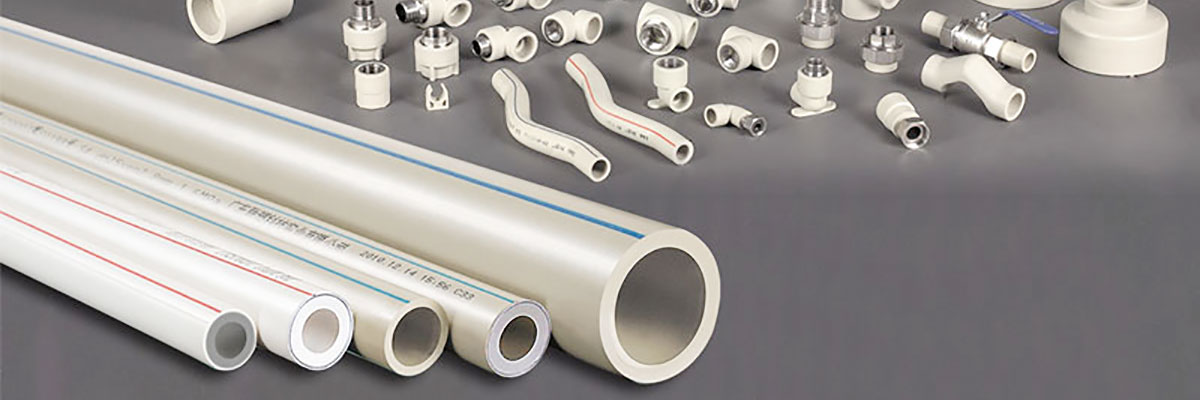
PP pipes are thermoplastic pipes made from polypropylene resin as the core raw material, with the addition of a small amount of functional additives, produced through high-temperature extrusion and injection molding. With its core advantages of being non-toxic, hygienic, high-temperature resistant, corrosion-resistant, and having a long service life, PP pipes are among the most widely used plastic pipes. Polypropylene pipes have a stable molecular structure, outstanding high-temperature resistance and anti-aging properties. They can be used for long-term applications in hot and cold water transportation, building drainage, and industrial fluid transmission. They are also recyclable and pollution-free, belonging to the category of green building materials and are the preferred material for both civil and industrial piping systems.
Would Like The Quotation
Leave more about your requirements, such as, brands, models, quantity, package, country, etc.
What are the classifications of polypropylene pipes?
PPH pipes (homopolymer polypropylene pipes)
They have a regular molecular structure, high hardness, strong rigidity, and excellent chemical corrosion resistance. However, their low-temperature toughness is generally average, mainly used in industrial acid and alkali fluid transportation, chemical sewage discharge, and municipal low-pressure drainage, and rarely used in residential applications.
PPB (Block Copolymer Polypropylene) Pipes
Excellent impact resistance, good low-temperature toughness, and strong pressure resistance, primarily designed for low-temperature, low-pressure water supply applications. Commonly used in building cold water supply, farmland irrigation, and municipal drainage projects.
PPR (Random Copolymer Polypropylene) Pipes
Currently the most mainstream polypropylene pipe for residential use, and also the most well-known household water pipes. It combines the advantages of high temperature resistance, high toughness, and strong stability, suitable for both hot and cold water supply, underfloor heating, and central heating systems. It is the most widely used type in the market.
PP-RCT Reinforced Polypropylene Pipes
In addition, the new PP-RCT pipe, through molecular modification, improves its high-temperature and high-pressure resistance, making it suitable for high-temperature and high-pressure HVAC projects and large-scale commercial hot water systems, with performance superior to ordinary PPR pipes.
Specifications and Parameters of Polypropylene Pipes
The specifications of polypropylene pipes are mainly defined by three core parameters, pipe diameter, pressure rating, and S-series wall thickness. These are the core basis for project selection.
>> Pipe diameter specifications: DN20 (4-point pipe), DN25 (6-point pipe), and DN32 (1-inch pipe) are commonly used in residential applications. DN40-DN160 large-diameter pipes are commonly used in commercial and municipal engineering projects, suitable for large-area water supply and drainage needs.
>>S-Series wall thickness models:Industry standards classify pipes into six grades, S6.3, S5, S4, S3.2, S2.5, and S2. The smaller the number, the thicker the pipe wall and the stronger the pressure resistance. S3.2 and S2.5 are high-pressure pipes suitable for both hot and cold water, ideal for residential hot water pipes. S6.3 and S5 are dedicated to low-pressure cold water.
>> Pressure rating:Standard polypropylene pipes have a pressure range of 1.25MPa-2.5MPa, meeting the water pressure requirements of civil buildings and general industrial projects. High-pressure modified pipes can handle even higher pressure conditions.
What are the core material characteristics of polypropylene pipes?
Safe, non-toxic, hygienic, and environmentally friendly. The raw material is food-grade polypropylene resin, with no heavy metals or harmful substances leaching out, meeting drinking water transportation hygiene standards. It is suitable for household drinking water pipes and fluid transportation in the food industry. In addition, the material is recyclable and reusable, making it green and low-carbon.
High-temperature and low-temperature resistant. Standard PPR pipes can withstand long-term high-temperature hot water up to 95℃ and short-term high-temperature water up to 110℃. They are not easily brittle in low-temperature environments, exhibiting excellent antifreeze properties, making them suitable for heating pipes in northern regions and outdoor pipeline projects with significant seasonal temperature differences.
Corrosion-resistant and do not scale. The material is chemically inert and does not react with water, acids, alkalis, or weakly corrosive fluids, completely eliminating rust and scale buildup. The inner wall of the pipe remains smooth over time, ensuring unobstructed water flow and preventing pipe diameter reduction or water quality impact due to scale accumulation.
Reduce noise and vibration, and provide excellent sealing. Compared to metal pipes, PP pipes are more resilient, resulting in less vibration and noise during water transport, effectively reducing water flow noise. The heat fusion connection process allows for seamless integration, providing excellent sealing and eliminating the risk of leakage.
Excellent insulation and energy saving with extremely low heat loss. The material’s thermal conductivity is far lower than that of metal pipes, resulting in minimal heat loss during hot water transport. No additional multi-layer insulation is required, leading to significant energy savings. They are suitable for HVAC and hot water supply systems.
Lightweight, easy to install, and efficient in construction. PP pipes are lightweight, only 1/8 the weight of galvanized pipes and 1/10 the weight of cast iron pipes, requiring no large equipment for handling and installation. Combined with hot-melt connection technology, the construction process is simple, significantly shortening the construction period and reducing labor costs.
They are anti-aging and have a long lifespan. High-quality polypropylene PP pipes are fortified with UV-resistant and anti-aging additives, achieving a normal indoor service life of over 50 years, far exceeding traditional metal pipes, significantly reducing later maintenance and replacement costs.
Tough and impact-resistant. The pipes have excellent flexibility and are not easily cracked or damaged by minor impacts or ground subsidence, making them suitable for concealed installations in residential and commercial projects.
How to Choose Polypropylene Pipes?
Check the labeling parameters. Legitimate products clearly label the serial number, brand, specifications, S-type, pressure rating, and production date, providing complete and traceable information.
Check the appearance and texture. High-quality pipes have a smooth, flat surface, uniform color, no bubbles, impurities, or scratches. And the cut is clean and vertical. Inferior pipes have a dull color, contain particulate impurities, and have uneven wall thickness.
Check toughness and hardness. High-quality PPR pipes have sufficient toughness, are not easily broken by slight bending, and have moderate hardness. Inferior pipes are brittle, easily broken, or too soft and lack pressure resistance.
Smell. Virgin polypropylene pipes have no odor. Inferior pipes made from recycled materials have a pungent plastic smell and odor, posing a risk of harmful substance release.
Check heat melt performance. High-quality pipes have no odor after heat melt, the melt is uniform, and the joint is firm and does not crack. Inferior pipes turn black after heat melt, contain impurities, and are prone to leakage and detachment.
What Are the Key Indicators for Pipe Grade PP Resin Selection?
Melt flow index (MFI)
The MFI of pipe-grade PP resin must be stable within the range of 0.25–1.5 g/10 min. Too low MFI will lead to extrusion molding difficulties and low production efficiency. Too high MFI will result in uneven pipe wall thickness, insufficient strength, and easy cracking. Pipe-grade resins are all low-flow, high-melt-strength formulations, unlike high-flow injection molding grade general-purpose PP resins.
Long-term hydrostatic strength
This is the most crucial indicator of pipe resin, determining the pipe’s 50-year service life. All polypropylene resins must pass long-term hydrostatic testing, showing no cracking or leakage under rated temperature and pressure, exhibiting excellent creep resistance, and remaining undeformed under long-term pressure.
Temperature and thermal aging resistance
Special PPR resins must possess excellent high-temperature thermal stability, capable of withstanding 95℃ hot water for extended periods and short-term temperatures up to 110℃, without softening, degrading, or aging under high-temperature environments. They also possess good thermal oxidation resistance, preventing yellowing, deterioration, and performance degradation even after long-term water flow.
Low-temperature impact toughness
For high-latitude, low-temperature overseas markets, the resin’s low-temperature toughness is crucial. High-quality pipe resins show no brittleness and strong impact resistance in low-temperature environments of -10℃ to -20℃, making them suitable for low-temperature water supply pipeline production and preventing pipe damage in winter.
Hygiene and safety, and leakage indicators
Resin for drinking water pipes must be made from food-grade virgin materials, free of heavy metals and harmful additives, and certified by authoritative bodies such as the FDA, EU food contact standards, and GB 17219. For industrial pipe resins, the focus is on chemical leaching stability.
Chemical corrosion resistance
Industrial PPH pipe resins must possess strong resistance to acids, alkalis, solvents, and corrosion, making them suitable for transporting chemical wastewater and mildly corrosive fluids. They should not corrode, age, or perforate over long-term use.
Processing compatibility
High-quality pipe grade PP resins are compatible with conventional extrusion and thermoforming processes, exhibiting moderate melt flow and uniform plasticization. Molded pipes have smooth inner walls, uniform wall thickness, and are free of bubbles and impurities, reducing production losses and costs for customers.
FAQ for Polypropylene PP Pipes
1. What are the main applications of PP pipes?
Residential use: Ideal for hot and cold water supply pipes, underfloor heating pipes, kitchen and bathroom water supply and drainage pipes.
Building construction: Suitable for centralized water supply, heating, and central air conditioning water circulation systems in office buildings, hotels, residential complexes, schools, hospitals, etc. Suitable for large-area, long-term stable operation.
Industrial fluids: Suitable for clean fluid transportation, acid and alkali wastewater discharge, and industrial cooling circulation pipes in the chemical, food, pharmaceutical, and electronics industries. Its corrosion resistance and pollution-free properties make it suitable for harsh industrial environments.
Municipal and agricultural use: Suitable for municipal building drainage, residential rainwater drainage, farmland irrigation, landscaping water supply, and shallow water supply and drainage projects.
2. Can polypropylene pipes be used for drinking water transportation?
Qualified PPR polypropylene pipes can absolutely be used for drinking water transportation. They are currently the core pipe material for home water purification and civil water supply worldwide. These pipes use food-grade PP pipe resin as raw material, strictly adhering to the hygiene and safety standards for drinking water transmission and distribution equipment. The production process is free of heavy metals and harmful additives, and long-term water flow will not release harmful substances or cause secondary water pollution. However, it is important to note that industrial-grade PPH pipes and pipes made from ordinary low-pressure PP resin do not meet hygiene standards. So they are only suitable for industrial sewage discharge and fluid transportation.
3. What is the highest temperature that polypropylene PP pipes can withstand?
Standard national standard PPR polypropylene pipes can stably transport hot water up to 95℃ for extended periods. They are perfectly suited for daily scenarios such as household hot water supply, hot water heating, and bathroom hot water supply, making them the preferred choice for residential hot water pipelines. The pipes can also withstand short-term high-temperature media up to 110℃, resisting deformation and damage from instantaneous high-temperature impacts. However, they are not suitable for long-term transportation of high-temperature steam or boiling water above 100℃. Prolonged operation at excessively high temperatures will damage the molecular structure of the pipe, leading to softening, thinning of the wall, and accelerated aging, making it highly susceptible to leaks, cracks, and other malfunctions, significantly shortening the pipe’s lifespan.
4. What is the approximate lifespan of PP pipes?
High-quality polypropylene pipes, produced using virgin PP pipe resin, have an officially designed lifespan of over 50 years under proper installation, standard operating conditions, and indoor use away from light. This lifespan is calculated based on standard operating conditions of constant water pressure, normal temperature difference, and no external damage.
5. Will polypropylene pipes rust or scale?
High-quality polypropylene pipes will absolutely not rust or scale, which is one of their core advantages over traditional metal pipes. Polypropylene is a high-molecular-weight non-metallic thermoplastic material that does not contain iron or other metal components, eliminating the problem of oxidation and rust at its source. Furthermore, the inner wall of the pipe is extremely smooth, with a very low coefficient of friction, and the material’s chemical properties are stable, preventing chemical reactions with scale, rust, minerals, and microorganisms in the water, thus preventing the adhesion and accumulation of impurities in the water flow. Long-term use will not result in narrowing of the pipe diameter, deterioration of water quality, or reduction of water flow.
6. Will PPR pipes freeze and crack in winter?
PPR pipes made from genuine, virgin materials have excellent freeze and low-temperature resistance. Compared to ordinary plastic pipes, they have stronger low-temperature toughness and will not crack or break in normal temperatures around -10℃, making them suitable for indoor pipe use in most regions during winter. However, in extreme sub-zero temperatures, if water freezes inside the pipe, the expansion of the frozen water will generate enormous internal pressure, exceeding the pipe’s tolerance limit and causing it to crack and break.
7. Can polypropylene PP pipes be used outdoors for extended periods?
Polypropylene pipes are not suitable for prolonged exposure to direct sunlight. PP pipes, being made from resin, have relatively weak UV resistance. Prolonged direct exposure to ultraviolet rays will continuously damage the internal structure of the pipe.
The high molecular chains cause pipes to gradually fade, yellow, and become brittle, significantly reducing their toughness and compressive strength, accelerating aging, and directly shortening their lifespan. If outdoor installation is necessary, a professional sun-protective insulation layer and shading devices must be installed beforehand to block direct ultraviolet radiation. Proper outdoor protection is crucial to ensure the long-term stable use of the pipes.
8. Which is better, PP pipes or PVC pipes?
There is no absolute superiority or inferiority between polypropylene and PVC pipes. The core differences lie in their applicable scenarios, material properties, and intended uses. Selection should be based on project requirements. Polypropylene pipes are high-temperature resistant, tough, have a high hygiene rating, are non-toxic and harmless, and support both hot and cold water, making them the preferred material for drinking water supply, HVAC, and home improvement projects. PVC pipes, on the other hand, have extremely poor high-temperature resistance, are brittle, have lower hygiene standards, and are more economical. They are only suitable for non-water supply scenarios such as building drainage, sewage, electrical wiring, and agricultural drainage.
9. What are the connection methods for polypropylene pipes?
Butt fusion: Suitable for large-diameter polypropylene pipes. The two ends of the pipe are heated using a hot melt machine, melted, and then butt-jointed and pressed together.
Cooling and forming a solid formation: This method offers excellent sealing and is widely used in municipal and industrial large-scale pipeline projects.
Hot-melt socket connection: The most common connection method in home decoration. The pipe and fitting interface are heated, and then spliced together with a socket. It is simple to operate, provides a tight connection, and is suitable for small-diameter pipes (DN20-DN32), eliminating the risk of leakage.
Heterogeneous material connection: With copper wire and adapters, polypropylene pipes can be connected to metal pipes, valves, and equipment. Suitable for both new and old pipeline renovations and equipment docking.