
Home » Aluminum Sulphate
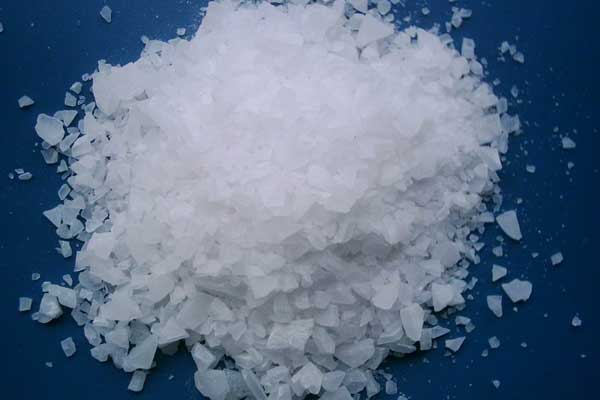
Aluminum Sulphate Flake/Granular/Powder
- CAS NO.: 10043-01-3
- HS Code: 28332200
- MF: Al2(SO4)3
- AL2O3 %: ≥17
- Appearance: White powder, flakes, granular
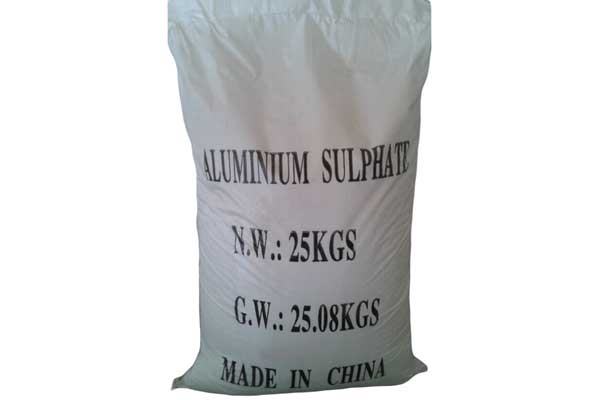
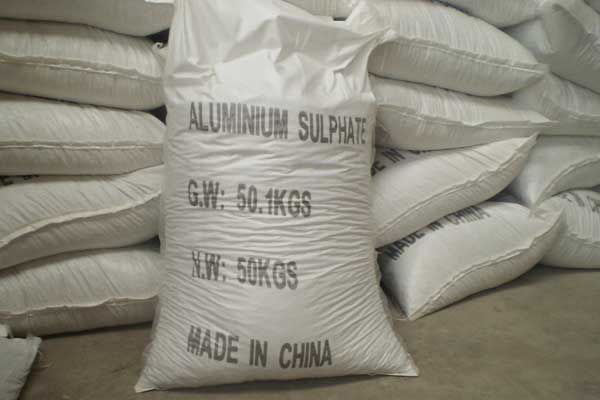
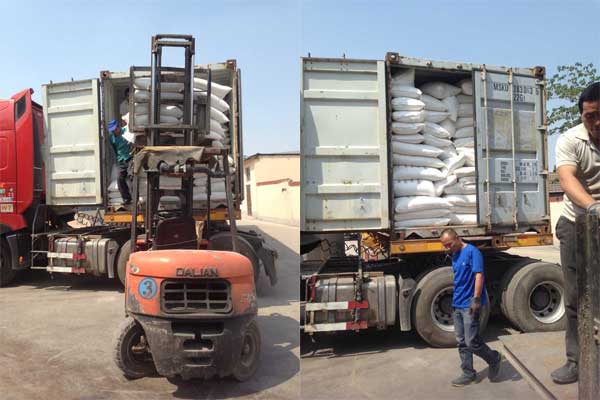
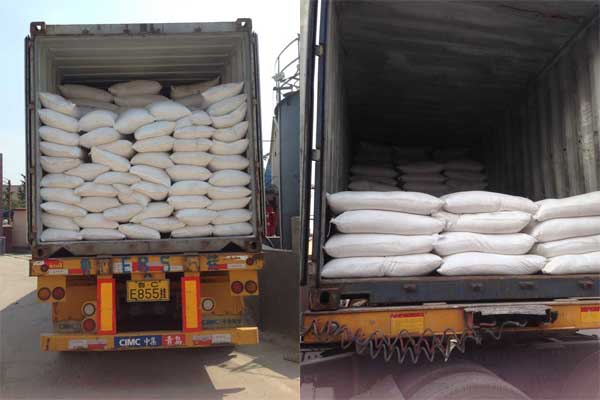
- Package: Net 25 / 50 kg PP bag, 25-27MT per 20’container.
- If you would like to buy sodium sulfate for sale from our company? Inquiry us for the best price now.
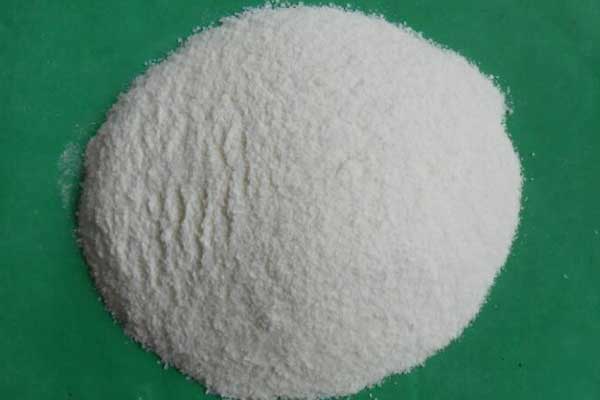
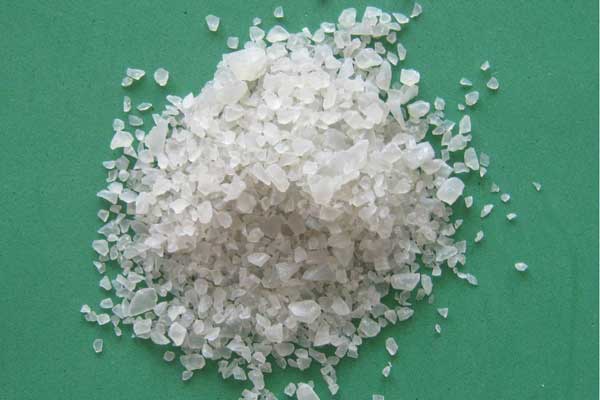
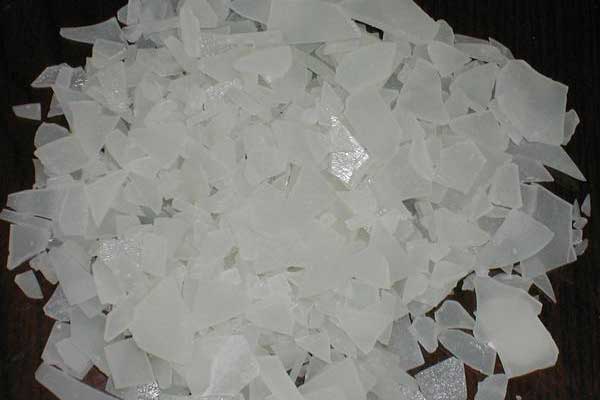
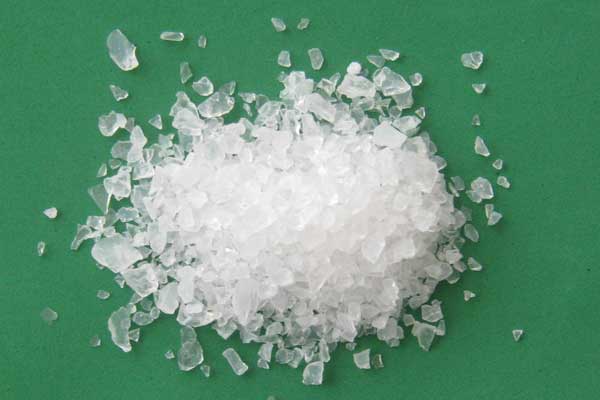
Technical Specifications of Aluminum Sulfate for Sale in Chemate
| Item | Standard |
| AL2O3 % | ≥17 |
| Fe % | ≤0.005 |
| Insoluble matter in water % | ≤0.05 |
| Heavy metals as Pb % | ≤0.0005 |
| As % | ≤0.0005 |
| PH value (1% aqueous solution) | 3.0 |
| Packing | Net 25 / 50 kg PP bag, 25-27MT per 20’container. |
Would like The Quotation?
Leave your demands in detail here(including the model, package, brand, quantity), we will reply you quickly.
What Are Uses of Aluminum Sulfate
>> Aluminum Sulfate for Water Treatment
As flocculant in drinking water, industrial water and wastewater treatment. When adding it to water, it reacts to from a colloidal precipitate of alumina trihydrate, which absorbs settled bacteria, colloids and other suspended substances. With the increasing of water discharge indicators, the amount of aluminum sulphate used in water treatment has increased. It is also suitable for use in drinking water to decolor and deodorize. Meanwhile, aluminum sulfate water treatment chemical also plays a significant role in the process of removing arsenic by coagulation.
>> Aluminium sulphate for swimming pools
The water in the swimming pool will become turbid for different reasons. If it is because of too much minerals, then using aluminum sulphate to clean the swimming pool is a good choice. Aluminum sulfate crystals have a positive charge when dissolved in water, so it can attract negatively charged debris and turn them into hard lumps, which makes cleaning easier.
>> In papermaking industry
Used as a precipitant for rosin gum, wax emulsion and other sizing materials. Also used as a paper sizing agent to enhance the water resistance and impermeability of paper. For that paper is composed of fibers. Unsized paper is water-absorbent and isn’t suitable for writing and printing. In addition, the strength of paper will decrease after absorbing water, which will affect its use. Therefore, about 80% of the paper needs the addition of pulp or coated with some water-resistant substances on the surface of paper. So that the paper has the performance of delaying fluid penetration, achieve the purpose of ink resistance and oil resistance. Aluminum sulphate is a mainly used internal sizing agent in papermaking.
In the fire protection industry, combine it with baking soda and foaming agent to form a foam fire extinguishing agent.
>> Other Uses
As a raw material for antiperspirant cosmetics.
Used in analytical reagents, such as, mordant, tanning agent, grease decoloring agent, wood preservative.
As a stabilizer for albumin pasteurization.
Also used as raw material for the manufacture of artificial gemstones, high-grade ammonium alum and other aluminates.
In the fuel industry, it can be as a precipitant in the production of chrome yellow and lake dyes. At the same time, it also plays a role of fixing and filler.
In addition, it can be used to adjust the PH value of soil, because it hydrolyzes to produce aluminum hydroxide while producing a small amount of dilute sulfuric acid solution.
Use non-ferric aluminum sulfate in the production of high-grade paper, high-grade fabrics, food leavening agents, white rubber and leather.
Use hydrated Aluminum Sulfate to synthesize a new type of highly crystalline zeolite material, synthesize aluminum-doped zinc oxide nanorods and spherical alumina powder.
Would like The Quotation?
Leave your demands in detail here(including the model, package, brand, quantity), we will reply you quickly.
FAQs of Aluminum Sulfate
1. What Is aluminum sulfate?
Aluminum sulphate, with the chemical formula of Al2(SO4)3 and CAS NO. 10043-01-3, is a widely used industrial chemical. In terms of properties, it is soluble in water, insoluble in ethanol, odorless and highly hygroscopic. When it comes to applications, it is mostly used in papermaking industry and water treatment. And it can also be used as the internal retention agent of foam fire extinguishers, raw materials for the manufacture of alum, aluminum white, petroleum decolorization, deodorant, and raw materials for certain drugs. In addition, it is the raw material to produce artificial gems and high-grade ammonium alum.
2. What grades of Aluminum Sulfate do you export?
We export both non-ferric and low ferric grades of Aluminum Sulfate to meet different industrial requirements. Non-iron aluminum sulfate is mainly used for paper manufacturing and applications where color purity is important, while low-iron grade is widely used in municipal and industrial water treatment. We can supply powder, granular, and flake forms according to customer specifications and application needs.
3. What is the typical content specification of Aluminum Sulfate?
The standard specification usually includes Al2O3 content, iron (Fe) content, water-insoluble matter, and pH value. For water treatment grade, Al2O3 content typically ranges from 15% to 17% for solid products. Low iron grades may have Fe content below 0.005% depending on customer requirements. We can provide customized specifications and full COA documentation for export shipments.
4. What packaging options are available for export?
We provide flexible packaging options suitable for international shipping, including 25kg and 50kg woven bags with inner liners. For bulk orders, palletized packaging is available upon request. All export packaging is moisture-resistant and suitable for sea transportation to ensure product stability during long-distance shipping.
5. What is the minimum order quantity (MOQ) for Aluminum Sulphate?
Our standard MOQ is usually one full container (25-27MT) load to optimize freight cost efficiency. However, for trial orders or new customers, we are open to discussing smaller quantities depending on stock availability. As an export-oriented supplier, we aim to provide flexible solutions that balance logistics costs and customer procurement needs.
6. What is the optimal pH range for Aluminum Sulfate coagulation?
The optimal pH range for Aluminum Sulfate in water treatment is typically between 5.5 and 7.5, depending on water composition and alkalinity. Within this range, hydrolysis produces aluminum hydroxide flocs with strong adsorption capacity. If the pH is too low, excessive acidity may remain in treated water. If too high, floc formation efficiency decreases significantly. Therefore, pH adjustment is often required to maximize coagulation performance and minimize residual aluminum.
7. How does alkalinity affect Aluminum Sulphate performance?
Aluminum Sulfate consumes alkalinity during hydrolysis. If raw water lacks sufficient natural alkalinity, the pH may drop excessively after dosing, reducing coagulation efficiency. In such cases, lime or sodium carbonate may be added to maintain proper pH balance. Adequate alkalinity ensures complete formation of aluminum hydroxide flocs and stable clarification performance in both municipal and industrial water treatment systems.
8. What is the difference between Aluminum Sulfate and Poly Aluminum Chloride (PAC)?
Aluminum Sulfate is a traditional inorganic coagulant, while PAC is a pre-polymerized aluminum salt with higher charge density and broader pH adaptability. PAC generally requires lower dosage and produces less sludge, but Aluminum Sulfate remains more cost-effective in many large-scale municipal projects. The choice depends on treatment objectives, raw water characteristics, budget considerations, and operational infrastructure.
9. How does temperature influence the coagulation efficiency of Aluminum Sulphate?
Low temperatures slow down hydrolysis reactions and floc formation, which may reduce coagulation efficiency in cold seasons. Under low-temperature conditions, higher dosage or improved mixing conditions may be required to maintain performance. In warm climates, reactions occur more rapidly, often improving sedimentation rates. Seasonal adjustments in operational parameters are essential for consistent treatment results.
10. Can Aluminum Sulfate be used in wastewater with high organic content?
Yes, Aluminum Sulfate can remove suspended solids and part of the organic matter through coagulation and adsorption. However, in wastewater with extremely high COD or organic concentration, it may need to be combined with polymer flocculants or biological treatment processes. Pre-treatment jar testing is recommended to determine effectiveness and economic feasibility.
Where to buy aluminum sulphate
- With more than 15 years of production experience in exporting and producing chemicals in various fields, Chemate has developed into a reliable chemical products qupplier.
- Quality assurance. We have the quality Certifications of ISO9001, SGS, HACCP, KOSHER, HALAL, etc.
- Reasonable and competitive price. Inquiry us to tell more about your requirements and get the best aluminum sulphate price now.
- Email: sales@chemategroup.com
- Tel: 0086-371-60921621
- Whatsapp: +86 18624832876
- Wechat: +86 18624832876
- ADD: NO.80 PUHUI ROAD,ZHENGZHOU CITY, HENAN PROVINCE, CHINA