
Home » Caustic Soda for Sale
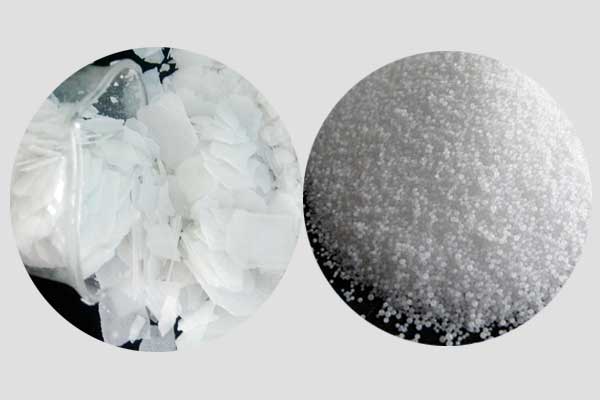
Caustic Soda Flakes/Pearls 99%
- CAS NO.: 1310-73-2
- HS Code: 2815110000
- MF: NaOH
- Sodium hydroxide content: 99%
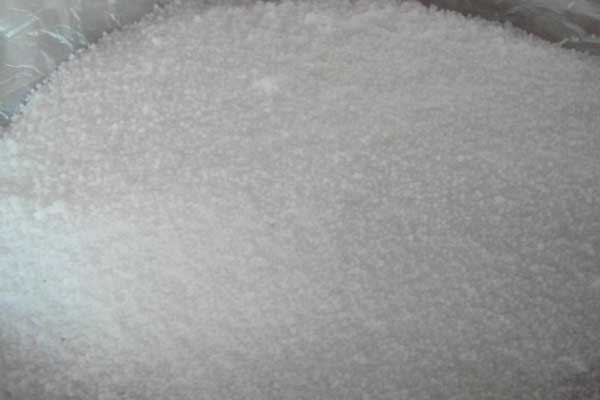
- Appearance: Flakes, Pearls( Particle size:≤ 0.8 mm 8%max, 0.8-1.2 mm 90%min, ≥1.2 mm 2%max)
- Package: 25kgs plastic woven bags double lined with polythene bags. 1200kg jumbo bags.
Caustic soda for sale in our company is with 99% content of sodium hydroxide and less impurities, so it can meet your various requirements in the varieties of industrial fields. Contact us to get the price of sodium hydroxide for sale in Chemate now.
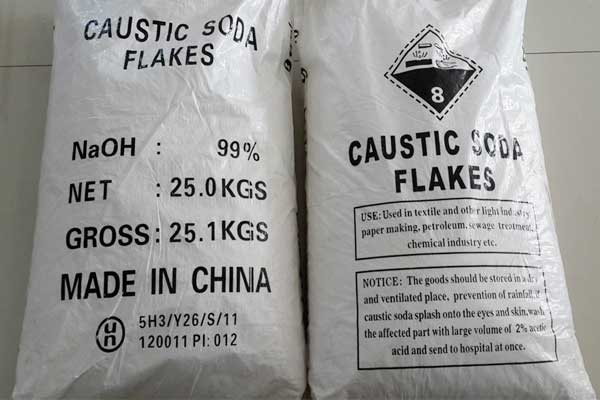
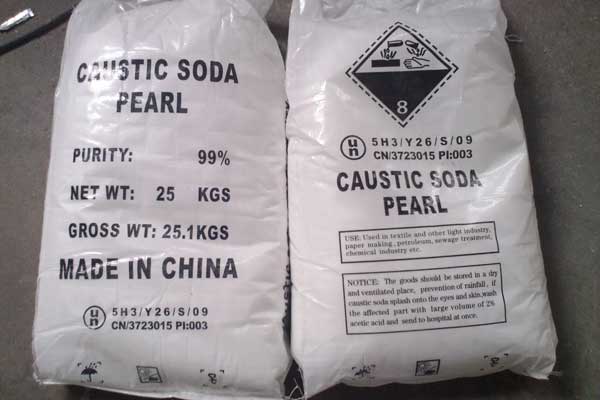
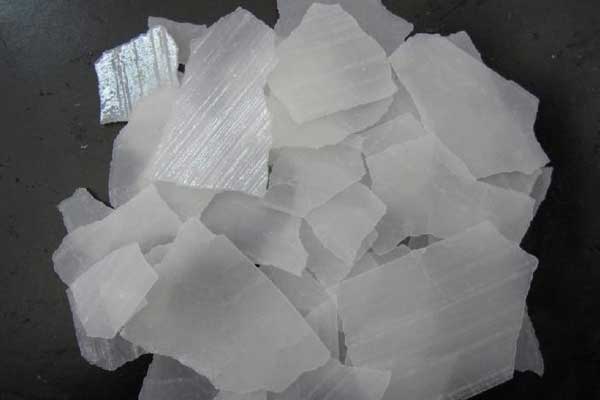
Specifications of Caustic Soda for Sale in Our Company
| Items | Caustic Soda Flakes | Caustic Soda Pearls |
| Sodium Hydroxide %≥ | 99 | 99 |
| Sodium Carbonate%≤ | 0.5 | 0.5 |
| Sodium Chloride %≤ | 0.03 | 0.03 |
| Ferroso-ferric Oxide %≤ | 0.005 | 0.005 |
| Particle size | —– | ≤ 0.8 mm 8%max |
| 0.8-1.2 mm 90%min | ||
| ≥1.2 mm 2%max | ||
| Packing | 25kgs plastic woven bags double lined with polythene bags. 1200kg jumbo bags. | |
| Storage | They should be stored in a dry, ventilative and clean warehouse, kept away from water and moisture, furthermore, they should be stored separately from poisonous. | |
Would like The Quotation?
Leave your demands in detail here(including the model, package, brand, quantity), we will reply you quickly.
What Is Caustic Soda Used for
Customers usually call this chemical caustic soda flakes, caustic soda pearls, liquid caustic soda when purchasing sodium hydroxide products suitable for their own industrial fields. The most common use of sodium hydroxide is the production of pharmaceutical chemicals, followed by papermaking, aluminum smelting, tungsten smelting, rayon, artificial cotton and soap manufacturing industries. In addition, a large amount of sodium hydroxide is also used in the production of dyes, plastics, pharmaceuticals and organic intermediates, the regeneration of old rubber, the production of metal sodium, the electrolysis of water, as well as the production of inorganic salts.
Caustic soda for water treatment
Caustic soda is soluble in ethanol and glycerin, insoluble in propanol and ether, and has relatively high solubility in water. It has strong alkalinity, so it is usually as an alkaline cleaning agent in water treatment. Caustic soda will also corrode sodium carbonate at high temperatures. It has a disproportionation reaction with chlorine, bromine and iodine, and can neutralize acid to form salt and water. Caustic soda mainly contains hydroxide and sodium ions. Among them, hydroxide can combine with many kinds of metal ions to form flocs or precipitates, thereby eliminating heavy metal ions in the water. In wastewater treatment, sodium hydroxide can reduce the hardness of water through neutralization reaction and adjust the pH value of water. It is also a regenerating agent for ion exchange resin regeneration.
Caustic soda used in papermaking industry
The raw materials for papermaking are wood or grass plants. In addition to cellulose, these plants also contain a lot of non-cellulose, such as lignin and gums. Sodium hydroxide is used to remove lignin, carbohydrates and resins from wood to obtain fiber. The addition of dilute sodium hydroxide solution can dissolve and separate non-cellulose components, thereby preparing pulp with cellulose as the main component.
Caustic soda for soap making industry
Widely used in the production of soap, toilet soaps and other kinds of detergents. In the process of making soap, the use of caustic soda can neutralize fatty acids. Adding lye sodium hydroxide to the solution can reduce the solubility of the fatty acid salt to separate the fatty acid salt. Higher fatty acid salt is the main component of soap. In addition, washing powder is also made from a large amount of caustic soda, which is used to neutralize excess fuming sulfuric acid after the vulcanization reaction.
Used in printing and dyeing, textile
For indigo dyes and quinone dyes. During the dyeing process of vat dyes, it is first reduce to leuco acid with caustic soda solution, and then oxidize it to the original insoluble state with oxidizing agent after dyeing. After treating the cotton fabric with lye sodium hydroxide, it can remove the wax, grease, starch and other substances covering the cotton fabric, and at the same time can increase the mercerized color of the fabric and make the dyeing more uniform.
Treat cotton and linen textiles with concentrated caustic soda solution to improve fiber properties. Man-made fibers are mostly viscose fibers, which are made by using cellulose as a raw material to make viscose liquid, spinning and coagulating.
To make viscose fiber, firstly use 18%-20% sodium hydroxide solution to impregnate the cellulose to make it into alkali cellulose, then dry and crush the alkali cellulose, and finally dissolve the sulfonate with dilute lye to obtain viscose liquid. After filtering and vacuuming, it can be used for spinning.
Used to refine petroleum
In order to remove the colloid in the petroleum fraction, concentrated sulfuric acid is generally added to the petroleum fraction to make the colloid become acid residue and precipitate. After pickling, the petroleum still contains acidic impurities such as phenol, naphthenic acid and excess sulfuric acid, which must be washed with sodium hydroxide solution. And then washed with water to obtain refined petroleum products. It can also be used in oilfield drilling mud.
Used in the metallurgical industry
In order to remove the insoluble impurities, the active ingredients in the ore usually need to be converted into soluble sodium salts. Therefore, it is often necessary to add soda ash or sodium hydroxide as fluxing agent.
Used in chemical industry
Caustic soda is used to make metallic sodium and electrolyzed water. The production of many inorganic salts, especially the preparation of some sodium salts, such as borax, sodium silicate, sodium phosphate, sodium dichromate, sodium sulfite, requires sodium hydroxide and soda ash. The two chemicals are also used in the synthesis of dyes, drugs and organic intermediates.
Caustic soda for cleaning
Used for dredging sewers, cleaning range hoods, etc. The main component of the plumbing agent is sodium hydroxide, which is a strong base and has the effect of decomposing protein.
Used in food industry
Food grade sodium hydroxide can be used as acid neutralizers, used as peeling agents for citrus, peaches, etc. It can also be used as the detergent for containers, such as empty bottles and cans, as well as decolorant and deodorant. Also be used in the preparation of starch, carboxymethyl cellulose and sodium glutamate.
Would like The Quotation?
Leave your demands in detail here(including the model, package, brand, quantity), we will reply you quickly.
How Is Sodium Hydroxide Made
There are two methods for production of caustic soda, causticizing method and electrolysis method. Divide causticization method into soda ash causticization method and trona causticization method according to different raw materials. And divide electrolysis method into diaphragm electrolysis method and ion exchange membrane method.
>> Soda ash causticization method
The soda ash is made into a soda ash solution, and lime is made into a lime milk. Then carry out the causticizing reaction at a temperature of 99~101℃. Clarify, evaporate and concentrate causticizing liquid to more than 40% to obtain liquid caustic soda. Then the concentrated liquid is further concentrated and solidified to obtain a solid caustic soda product.
>> Trona causticization method
Crush, dissolve, and clarify the trona, then add with lime milk, and causticize at 95-100℃. Then clarify, evaporate and concentrated the causticizing liquid to a concentration of about 46%. Cool and salt out the clear liquid, and then further boil it to obtain solid sodium hydroxide.
>> Diaphragm electrolysis method
After melting the original salt, add soda ash, caustic soda, and barium chloride refined preparations, remove impurities such as calcium, magnesium, sulfate ions. Then add sodium polyacrylate or causticized bran to the clarification tank to accelerate the precipitation. Add hydrochloric acid after filtration to neutralize, preheat the brine and then send it to electrolysis. Preheat, evaporate, salt, and cool the electrolyte to prepare liquid caustic soda, which is further concentrated to obtain solid product.
>> Ion exchange membrane method
This method uses the ion exchange membrane method to electrolyze salt water, and then produce sodium hydroxide. The main principle is that the cation exchange membrane used has special selective permeability. That is, only H+ and Na+ are allowed to pass, but Cl-, OH-, the bipolar products H2 and Cl2 can’t pass. Therefore, it plays a role in preventing the mixing of the anode product Cl2 and the cathode product H2. It also plays a role in avoiding the reaction of Cl2 and NaOH, another product of the cathode. And then generate NaClO and affect the purity of caustic soda.
FAQs of Sodium Hydroxide
1. What Is Caustic Soda?
Caustic soda, with the scientific name of sodium hydroxide and chemical formula of NaOH, contains three forms, caustic soda flakes, caustic soda pearls, liquid caustic soda in appearance. It is also commonly known as caustic soda, lye, or caustic alkali. Sodium hydroxide is highly alkaline and highly corrosive, so it can be used as alkaline cleaning agent in water treatment. Meanwhile, it can also be as an acid neutralizer, compounding masking agent, precipitating agent, developer, saponifier, peeling agent, detergent builder, etc.
2. What are the physical properties of caustic soda?
The pure product is a colorless, transparent crystal with a density of 2.130 g/cm³, a melting point of 318.4℃, and a boiling point of 1390℃. It is readily soluble in water, releasing a large amount of heat. Its aqueous solution is strongly alkaline and has a slippery feel. It is hygroscopic and can absorb moisture and carbon dioxide from the air, causing it to deteriorate.
3. What are the core characteristics of the chemical properties of caustic soda?
It possesses strong alkalinity and strong corrosiveness, reacting with acids, acidic oxides, and salts. It can corrode metals and release hydrogen gas. It undergoes saponification with fats and oils, producing glycerol and sodium fatty acids, which are the main components of soap.
4. What is Caustic Soda Flakes?
Caustic soda flakes are thin, flaky solids, typically 1-2 mm thick, irregularly rectangular or square in shape, which can be adjusted according to production specifications.
The core advantages of caustic soda flakes include: ease of manual handling, suitability for weighing and feeding in small-batch operations, strong stackability, and high storage space utilization. However, due to its smaller surface area, its dissolution rate is slower than caustic soda pearls. Additionally, caustic soda flakes are prone to clumping when exposed to moisture, requiring sealed packaging and storage in a dry environment. Industrial-grade caustic soda flakes are available in purity grades of 99%, widely used in small and medium-sized enterprises and manual operation scenarios.
5. What is Caustic Soda Pearls?
Caustic soda pearls are uniform spherical particles with a particle size ranging from 0.5-2 mm. Its production process is more complex than that of caustic soda flakes, typically employing spray drying or melt granulation. The complex process results in a higher price for caustic soda granules, but they offer unique operational advantages.
Corn granules have excellent flowability, a large surface area, faster dissolution speed, less dust generation, and are compatible with automated feeding systems. Uniform particle size ensures precise feeding, making it ideal for large-scale continuous production lines with extremely high efficiency and stability requirements. Compared to caustic soda flakes, granular caustic soda is less prone to clumping during storage and transportation, reducing maintenance costs and material loss. It is commonly used in pharmaceuticals, electronics, and large-scale chemical synthesis, where high purity is required.
6. What is Liquid Caustic Soda?
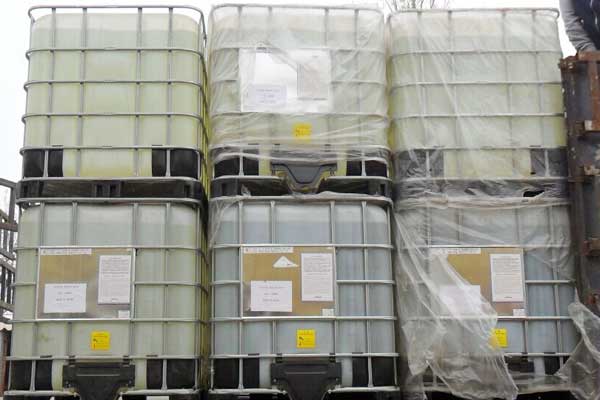
Liquid caustic soda, also known as sodium hydroxide solution, is the most cost-effective form of caustic soda because it does not require coagulation and drying processes. Common concentrations are 30%, 40%, and 50%, with 50% being the mainstream concentration for industrial applications. Liquid caustic soda is directly generated by electrolysis, requiring no further coagulation treatment and can be used directly, eliminating the dissolution step and saving time and energy for the production line.
The main advantages of liquid caustic soda include: immediate availability, low operational risk, and lower unit effective ingredient transportation cost compared to solid caustic soda. However, liquid caustic soda requires specialized storage equipment. Liquid caustic soda is widely used in large-scale continuous feeding scenarios such as wastewater treatment, pulp and paper making, and alumina refining.
7. What Are Differences Between Caustic Soda Flakes And Caustic Soda Pearls?
They are essentially the same, the main ingredient are both sodium hydroxide. From the appearance, caustic soda pearls are granular, while caustic soda flakes are flaky. The pearl type is uniform in size, so it dissolves faster and weighs more easily. In addition, the production process of pearl type is more complicated and the price is higher. Customer can choose the type that suits them according to their uses and requirements.
8. Can caustic soda be used in the food industry?
Food-grade caustic soda can be used in food processing, such as removing the outer skin of fruits and vegetables, adjusting the pH of food, and cleaning food processing equipment. However, it must strictly comply with GB 1886.20—2016 standards, and the residue level must meet the regulations.
9. How should caustic soda be stored?
Solid caustic soda should be stored in a sealed container in a dry, ventilated, and cool warehouse, away from fire, heat sources, and acidic substances to prevent deliquescence and deterioration. Liquid caustic soda should be stored in dedicated alkali-resistant storage tanks. The tanks must be properly treated for corrosion and leakage prevention, and mixed storage with acidic substances is strictly prohibited. The storage area must be equipped with leakage emergency handling equipment and neutralizing agents.
10. What are the compliance requirements for transporting sodium hydroxide NaOH?
Caustic soda is a hazardous chemical (UN No. 1823), and transportation must be undertaken by companies and vehicles with hazardous chemical transportation qualifications.
Solid caustic soda must be tightly packaged during transportation to prevent moisture and damage. Liquid caustic soda must be transported in specialized alkali-resistant tank trucks.
During transport, avoid severe jolting, exposure to direct sunlight, and high temperatures.
11. What is the difference between sodium hydroxide and soda ash?
Caustic soda is NaOH, a strong alkali with extremely high corrosiveness and deliquescent properties. Soda ash is Na2CO3, a salt (its aqueous solution is alkaline), with weaker corrosiveness and high stability. In terms of applications, caustic soda is mostly used in strongly alkaline applications (such as saponification and electroplating). Soda ash is mostly used in glass manufacturing and food fermentation.
12. Can caustic soda be used for cleaning in household settings?
It can be used to clean stubborn oil stains, but it must be diluted (recommended concentration 5%-10%). Wear protective equipment and avoid contact with skin and clothing. It corrodes metals, so it is strictly forbidden to use it for cleaning aluminum alloys or aluminum products, and it should not be mixed with acidic cleaning agents to avoid producing toxic gases.
13. Is your caustic soda compliant with EU REACH regulations?
Yes. Chemate Group provides REACH-compliant caustic soda for European importers and can provide the necessary OR support or registration data to ensure your imports are fully legal and smooth.
Why Choose us as your Caustic Soda Supplier
>> Premium Quality & High Purity (99% min)
We provide industrial-grade caustic soda flakes and pearls with a guaranteed purity of ≥99.0%. Our products feature low impurity levels, ensuring consistent chemical reactions for sensitive processes like soap making and textile mercerization.
>> Tailored Solutions for Diverse Industries
As a specialized caustic soda for soap making supplier and water treatment chemical provider, we understand the specific requirements of different sectors. Whether you are in the pulp and paper industry, alumina refining, or detergent manufacturing, our technical team provides the right grade for your equipment.
>> Global Logistics & Dangerous Goods (DG) Expertise
Caustic soda is a Class 8 Hazardous Material (UN 1823). Chemate has a professional logistics team experienced in handling dangerous goods exports. We ensure compliant labeling, secure 25kg or 1200kg jumbo bag packaging, and optimized shipping routes to over 30 countries across Southeast Asia, the Middle East, Africa, and South America.
>> Strict Quality Control & Certification
Every batch of Chemate caustic soda undergoes rigorous testing. We provide full documentation, including COA (Certificate of Analysis), MSDS (Material Safety Data Sheet), and third-party inspection reports (such as SGS or BV) upon request to guarantee compliance with international standards.
>> Competitive Factory Direct Pricing
By sourcing directly from our large-scale production base in China, you eliminate middleman costs. We offer bulk caustic soda at competitive prices with flexible MOQ to support both large-scale factories and regional chemical distributors.
>> Reliable Supply Chain & Fast Delivery
With a stable production capacity and strategic warehouse locations, we ensure a steady supply even during market fluctuations. We prioritize fast lead times to help you maintain low inventory costs and uninterrupted production cycles.
- Email: sales@chemategroup.com
- Tel: 0086-371-60921621
- Whatsapp: +86 18624832876
- Wechat: +86 18624832876
- ADD: NO.80 PUHUI ROAD,ZHENGZHOU CITY, HENAN PROVINCE, CHINA