
Home » Sodium Naphthalene Sulfonate
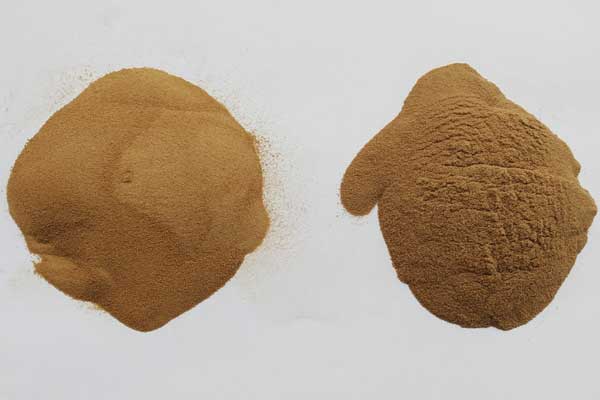
Sodium Naphthalene Sulfonate for Sale
- CAS NO.: 36290-04-7
- HS Code: 38244010
- MF: C10H7NaO3S
- Type: SNF-A, SNF-C
- Na2SO4 Content (%)≤: 5%, 18%
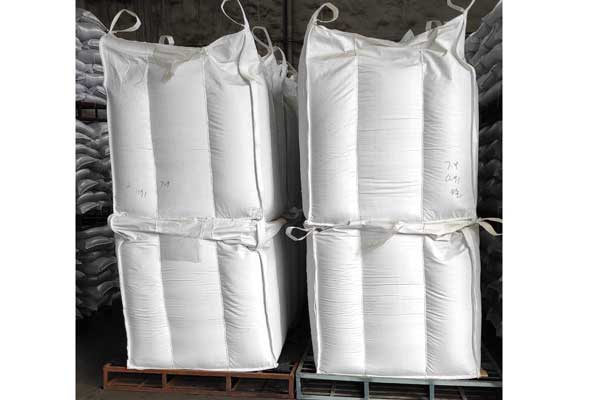
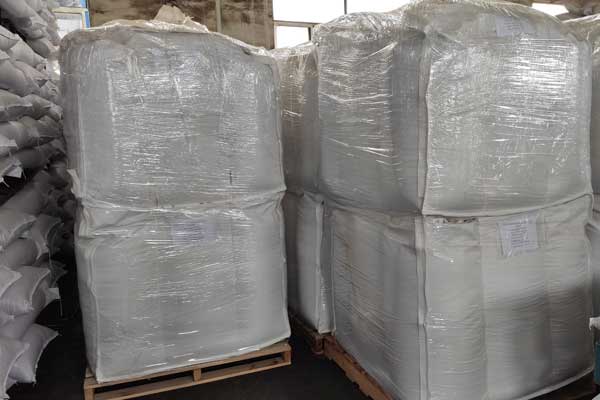
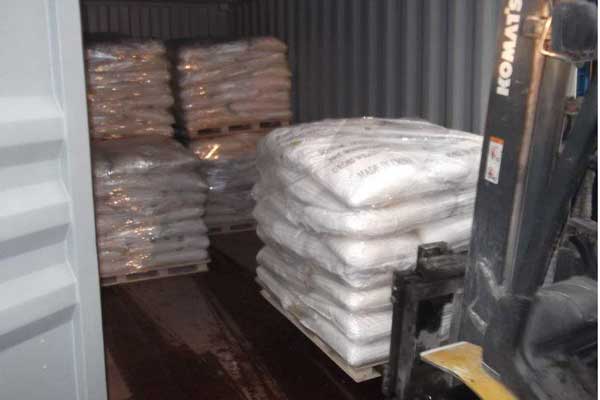
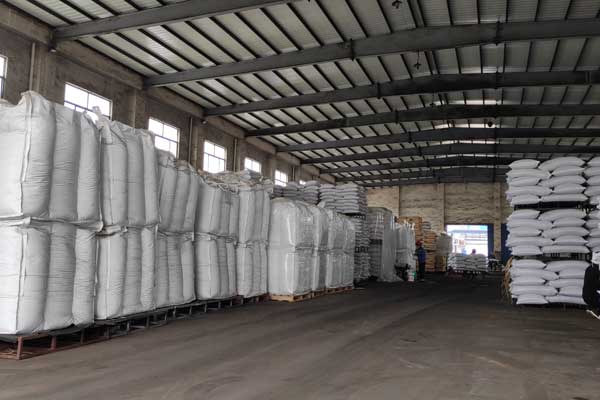
- Package: 25kg pp bag; 650kg Jumbo bag. A customized package is available.
- Applications: Mainly used as water reducer in construction industry. It is suitable for many types of concrete, including high-strength concrete, high-performance concrete, steamed concrete, large-fluid concrete, pumped concrete, etc.
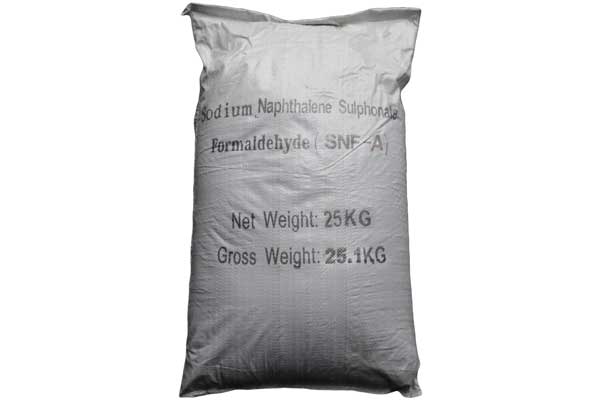
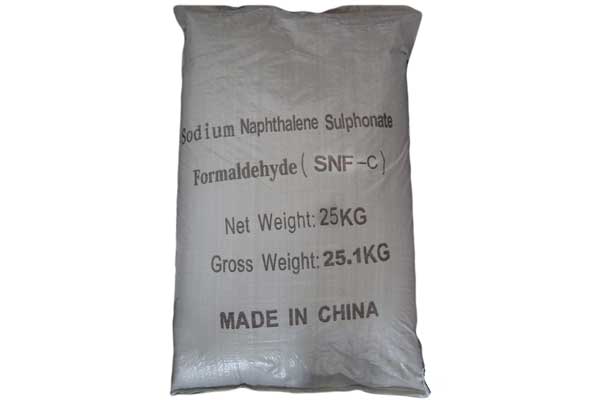
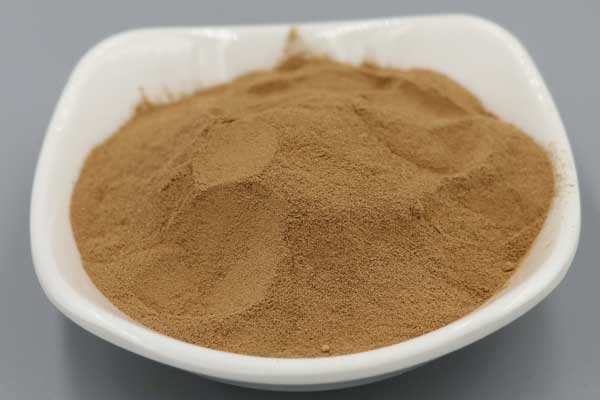
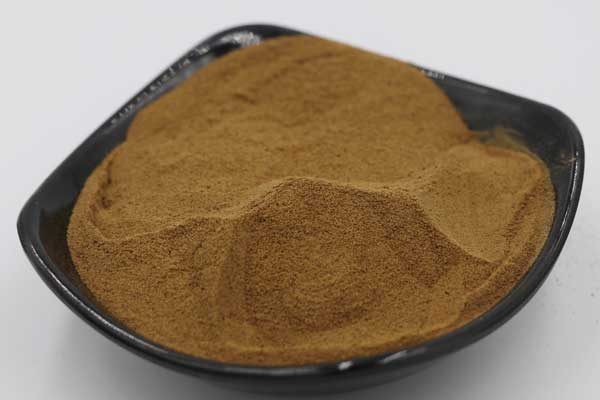
Technical Specifications of Chemate Naphthalene Sulfonate NSF
| Type | SNF-A | SNF-C | |
| Solid Content (%) ≥ | 92 | 92 | |
| PH Value | 7-9 | 7-9 | |
| Na2SO4 Content (%)≤ | 5 | 18 | |
| Chlorine Content (%)≤ | 0.3 | 0.5 | |
| Net Starch Fluidity(mm)≥ | 250 | 230 | |
| Max Water Reducing Rate(%) | 26 | 23 | |
| Packing | 25kg pp bag; 650kg Jumbo bag. Customized package available. | ||
Would like The Quotation?
Leave your demands in detail here(including the model, package, brand, quantity), we will reply you quickly.
Why Using Naphthalene Based Superplasticizer in concrete?
- When the concrete strength and slump are basically the same, the amount of cement can be reduced by 10%-25% by adding naphthalene sulfonate.
- The use of sodium polynaphthalene sulfonate can increase the early strength of concrete by 50% or 75%. According to its chemical reaction, the initial setting time can be advanced by one hour or delayed by one hour.
- When the water-cement ratio remains the same, SNF superplasticizer can help increase the initial slump of the concrete by more than 10cm, and the water reduction rate can reach 15%-25%.
- Poly Naphthalene Sulfonate (PNS) has a significant enhancement effect on concrete, and its strength can be increased by 20%-60%.
- Sodium naphthalene sulfonate can improve the workability of concrete and comprehensively improve the physical and mechanical properties of concrete.
- Naphthalene formaldehyde sulfonate water reducing admixture has good adaptability to various cements and good compatibility with other types of concrete admixtures.
- The use of Naphthalene based superplasticizer won’t significantly affect the surface tension of water, nor will it entrain a large amount of air.
- It has good adaptability and is suitable for various cements. SNF superplasticizer is particularly suitable for use in the following concrete projects: liquid concrete, plasticized concrete, steam-cured concrete, impermeable concrete, waterproof concrete, natural-cured precast concrete, reinforced and prestressed reinforced concrete, high-strength concrete.
- Sulphonated naphthalene formaldehyde water reducer has no corrosive effect on steel bars, non-toxic and non-pollution.
- SNF powder has good adaptability to steam curing, which can shorten the curing time, lower the curing temperature, save energy, improve the output and quality.
- Adding FDN powder to concrete can help enhance its freeze-thaw properties, improve impermeability and durability of the concrete, reduce the shrinkage of concrete. Meanwhile, there is no adverse effect on the carbonization of concrete.
- In addition, it also improves the fluidity and workability of cement.
What Is Sodium Naphthalene Sulfonate Used For?
- Widely used in the construction industry, SNF superplasticizer can help prepare free-flowing and pumpable concrete mixtures. It is also a raw material for composite accelerator, antifreeze and retarder in different construction industries.
- Use Poly naphthalene sulfonate PNS to improve the rheological and mechanical properties of concrete. Like all the concrete water reducer, SNF can reduce the use of water, reduce the water-cement ratio by up to 30% by dispersing cement particles and destroying cement agglomerates. It is especially necessary in the case of high-strength concrete.
- Use naphthalene sulfonic acid in the prestressed components and high-range concrete for the construction of highways, bridges, tunnels, water conservancy and hydropower projects, ports, wharves, skyscrapers, power engineering, industrial and civil buildings.
- Naphthalene based superplasticizer is suitable for many types of concretes. Including high-strength concrete, high-performance concrete, steamed concrete, large-fluid concrete, pumped concrete, etc.
- Meanwhile, naphthalene sulphonate is also widely used in agriculture, plastics, rubber, papermaking, construction, textile, petroleum and other industries.
Polynaphthalene sulfonate is an anionic surfactant, its molecular chain length is between small molecules and macromolecules, and the degree of polymerization is about 7-15. That is, the molecular weight of its molecules is not uniform, it is two kinds of small molecules the condensate. It doesn’t affect the setting time of concrete, has low air entrainment, and can greatly reduce the water-cement ratio of concrete. Therefore, under the condition that don’t affect the workability of concrete, the high grade concrete with fluidity can be prepared.
What Is the Content Of Na2SO4 In Naphthalene Sulfonate Formaldehyde?
Naphthalene-based superplasticizer contains high-concentration PNS with NaSO4 content<5% and low concentration PNS with Na2SO4 content>5%. The naphthalene sulfonate for sale in our company includes SNF-A, SNF-B, SNF-C with different Na2SO4 content.
- The increase of the content of Na2SO4 in naphthalene superplasticizer can improve the fluidity of cement paste, increase the compressive, flexural strength of concrete, the resistance to chloride ion penetration, and the resistance to carbonization. But it will adversely affect the shrinkage and deformation properties of concrete.
- With the increase of sodium sulfate content in naphthalene-based water reducing agent, the corresponding dispersibility will decrease, and the compressive strength of concrete at different ages will decrease.
- Excessive incorporation of Na2SO4 will increase the alkali content in the concrete, accelerate the hydration, hardening and water loss in the cement paste, generate greater restraint stress and weaken the crack resistance. The incorporation of sodium sulfate will accelerate the hydration rate of cement, release a large amount of heat of hydration quickly and concentratedly. Thus leads to an increase in internal temperature, causes greater temperature stress and cracks.
- The content of Na2SO4 within a certain range(3%-19%) can improve the fluidity of the cement paste.
- Under the premise of a certain amount of water reducing agent, adding sodium sulfate can increase the early strength of concrete.
- As the content of sodium sulfate increases, the early drying shrinkage of concrete increases significantly. Among them, when the Na2SO4 content is 10%, the drying shrinkage value of concrete reaches the maximum.
- The cracking property of concrete gradually increases with the increase of Na2SO4 content, and the crack width shows an increasing trend.
- When increasing the Na2SO4 content in a lower range. It can improve the ability of concrete to resist carbonization and chloride ion penetration.
How To Use Naphthalene Sulfonate
When using porous aggregate, it is advisable to add water and stir first, then add naphthalene sulfonate formaldehyde water reducing agent.
When the slump is large, the vibrating time should not be too long to prevent bleeding and stratification.
Use it after being formulated into a solution of the required concentration.
Use SNF powder directly, or add it after the cement aggregate is fully moistened with 60% mixing water.
The sulphonated naphthalene formaldehyde superplasticizer has good adaptability with other concrete chemical admixtures. It can be widely used as the composition of composite additives, and compounded into special functional additives, such as pumping agent, waterproofing agents, air-entraining water reducer admixtures, antifreeze agent, etc.
Would like The Quotation?
Leave your demands in detail here(including the model, package, brand, quantity), we will reply you quickly.
FAQs About Sodium Polynaphthalene Sulfonate
1. What Is Sodium Naphthalene Sulfonate?
Sodium Naphthalene Sulfonate is a kind of naphthalene based superplasticier and is widely used in concrete. It is also known as many other names, such as, naphthalene sulfonate, naphthalene sulfonate formaldehyde, sulphonated naphthalene formaldehyde, poly naphthalene sulfonate, sodium polynaphthalene sulfonate, naphthalene sulfonic acid. Or more simply, SNF/PNS/FND/NSF. Naphthalene sulfonate, a derivative of sulfonic acid containing naphthalene functional unit, is a naphthalene series super plasticizer with strong dispersing effect on cement particles. SNF superplasticizer has a good effect on the preparation of large-fluid concrete, and has obvious effects on cast-in-place concrete and prefabricated components with early strength and high strength requirements. It can comprehensively improve various properties of concrete.
2. What is the main function of SNF in concrete?
The primary function of SNF is to reduce the water content in concrete mixtures while maintaining or improving fluidity. By dispersing cement particles effectively, it minimizes flocculation and enhances hydration efficiency. This results in improved strength development, reduced permeability, better durability, and improved workability. It is especially useful in high-performance and high-strength concrete applications.
3. How does naphthalene based superplasticizer reduce water in concrete?
Naphthalene based superplasticizer works through electrostatic repulsion. The sulfonate groups in the molecule adsorb onto the surface of cement particles, imparting negative charges. These charges cause the particles to repel each other, breaking up cement agglomerations. As a result, trapped water is released, improving fluidity and allowing a lower water-cement ratio without sacrificing workability.
4. What is the typical water reduction rate of SNF water reducer?
SNF typically achieves a water reduction rate of 15% to 25%, depending on dosage, cement type, and mix design. In optimized formulations, even higher reductions may be possible. This significant water reduction leads to increased compressive strength and improved durability characteristics such as reduced shrinkage and enhanced resistance to chemical attack.
5. What is the recommended dosage of SNF superplasticizer?
The recommended dosage usually ranges from 0.5% to 1.5% by weight of cementitious materials. The optimal dosage must be determined through laboratory mix design testing, as performance varies depending on cement composition, aggregate properties, and ambient temperature. Excessive dosage may lead to segregation or delayed setting, so proper testing is essential.
6. In which types of concrete is SNF commonly used?
SNF is widely used in precast concrete, reinforced concrete, prestressed concrete, high-strength concrete, and pumped concrete. It is particularly suitable for projects requiring high early strength or improved durability. It is also frequently applied in infrastructure projects such as bridges, highways, tunnels, dams, and high-rise buildings.
7. Does SNF affect the setting time of concrete?
SNF may slightly delay the setting time, especially at higher dosages. However, its primary role is water reduction rather than strong retardation. The degree of influence depends on cement type, temperature, and mix proportions. Proper dosage control ensures that strength development and construction schedules are not negatively affected.
8. Can sodium naphthalene sulfonate be used with other concrete admixtures?
Yes, SNF can generally be used in combination with other admixtures such as air-entraining agents, retarders (sodium gluconate), accelerators, and mineral admixtures like fly ash or slag. However, compatibility testing is strongly recommended before large-scale application. Interaction between different chemical admixtures may affect workability retention and setting characteristics.
9. What are the advantages of naphthalene sulfonate formaldehyde compared to other water reducers?
SNF offers stable performance, high water-reduction efficiency, and cost-effectiveness compared to many other superplasticizers. It has predictable performance under various environmental conditions and is suitable for large-scale industrial production. While polycarboxylate-based superplasticizer provide better slump retention, SNF remains widely used due to its reliability and competitive pricing.
10. Will SNF improve the strength of concrete?
Yes, by reducing the water-cement ratio while maintaining workability, SNF significantly enhances compressive strength, especially at 7 and 28 days. Lower water content results in a denser microstructure and reduced porosity, which contributes to improved durability and long-term structural performance.
11. How is SNF powder made?
In general, raw material for production of naphthalene based superplasticizer is industrial naphthalene, sometimes refined naphthalene. The production process is as follows. The preparation of powdery sodium naphthalene sulfonate requires a series of processes, such as sulfonation, hydrolysis, condensation, neutralization, filtration, and spray drying, etc. The production of SNF superplasticizer is mature and its performance is stable.
The concrete water reducer can be used directly in concrete, and the effect of over-mixing or under-mixing on concrete performance can be predictable. In addition, naphthalene based superplasticizer has good adaptability with other admixtures and can be widely used as the composition of composite admixtures, such as, pumping agents, waterproofing agents, air entraining water reducing agents and antifreeze agents, etc.
12. Is SNF safe and environmentally friendly?
Sodium naphthalene sulfonate SNF is generally considered safe when handled according to industrial chemical standards. It does not contain chloride ions and does not cause corrosion of reinforcing steel in concrete. However, standard safety precautions such as avoiding inhalation of dust and using protective equipment during handling are recommended.
Why Choose Sodium Naphthalene Sulfonate supplier - Chemate
- More than 15 years of export experience. Reliable and professional sodium naphthalene sulfonate supplier, we can make the business become professional & simple & easy.
- Quality guaranteed. ISO/BV/SGS can ensure the qualified products and traceability.
- Excellent Service. Our sales Managers can customize the order for your specific market and help you save cost.
- Timely Response. All the feedback from customers will be treated seriously and promptly.
Most competitive price. As the most cost-effective type of water-reducing agent, the price of naphthalene-based superplasticizer is undoubtedly very advantageous. Tell us the type or technical specification and inquiry us for the latest sodium naphthalene sulfonate price now.
- Email: sales@chemategroup.com
- Tel: 0086-371-60921621
- Whatsapp: +86 18624832876
- Wechat: +86 18624832876
- ADD: NO.80 PUHUI ROAD,ZHENGZHOU CITY, HENAN PROVINCE, CHINA