
Home » LDPE Resin
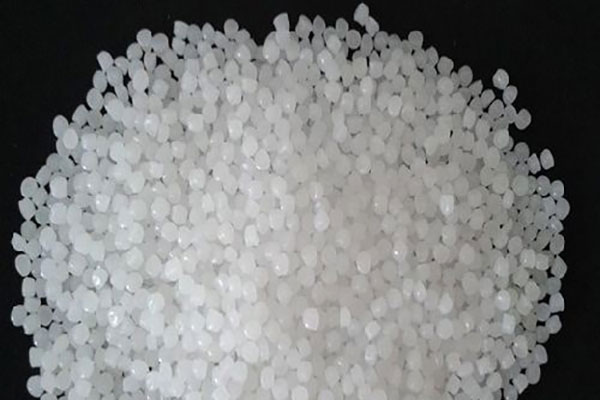
LDPE Low Density Polyethylene
- CAS NO.:9002-88-4
- HS Code: 39011020
- MF: (C2H4)n
- Appearance: Waxy White Resin
- LDPE resin(low density polyethylene LDPE) is a thermoplastic obtained by free radical polymerization of ethylene under high pressure. So it is also called high pressure polyethylene. It is the lightest variety of polyethylene resin, with good flexibility, extensibility, electrical insulation, transparency, easy processing and certain air permeability. LDPE resin is mainly used for film products, but also for injection molding products, medical appliances, pharmaceutical and food packaging materials, blow molding hollow molding products, etc.
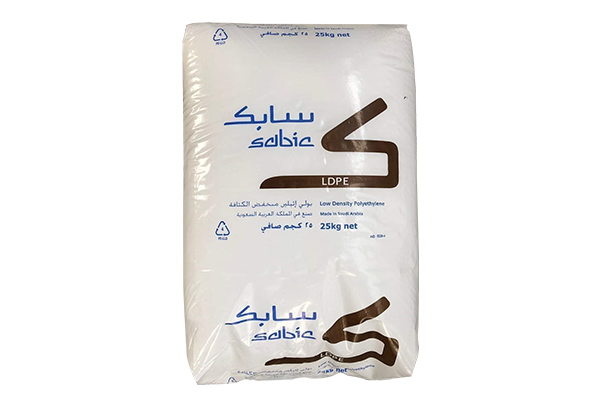
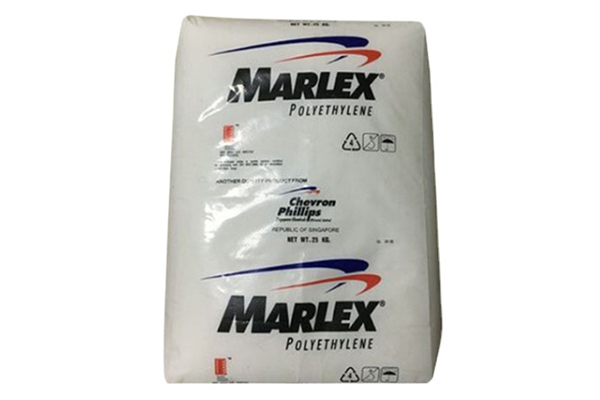
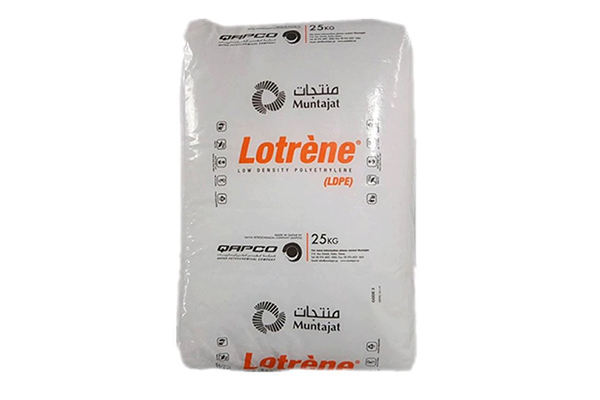
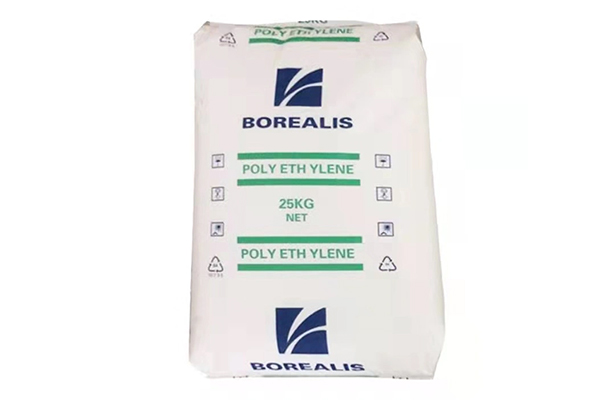
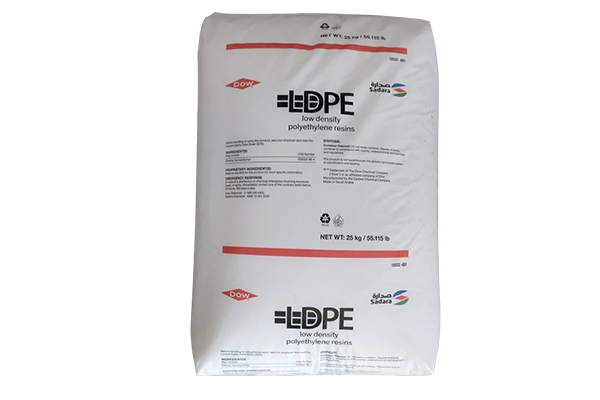
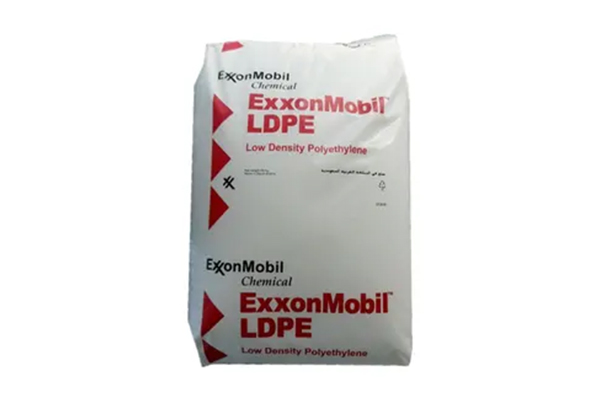
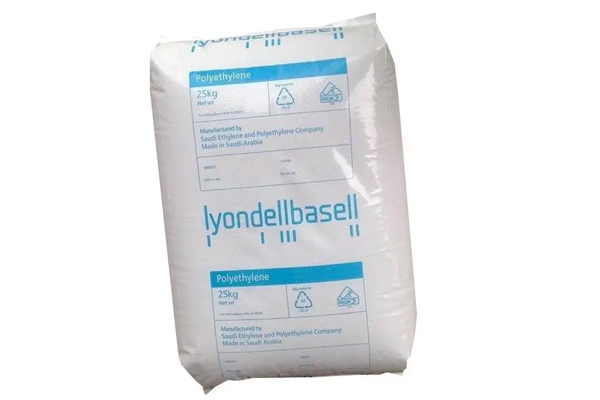

Would Like The Quotation
Leave more about your requirements, such as, brands, models, quantity, package, country, etc.
Hot Sale Models of LDPE Resin
Would Like The Quotation
Leave more about your requirements, such as, brands, models, quantity, package, country, etc.
More About Low Density Polyethylene LDPE
What Is LDPE Resin Used For
LDPE is mainly used for film products, such as agricultural films, ground covering film, vegetable greenhouse film, etc. Packaging film, such as candy, vegetable, frozen food, etc. Blown film for liquid packaging (milk, soy sauce, fruit juice, etc.), shrink packaging film, elastic film, lining film, construction film, general industrial packaging film and food bags, etc.
LDPE resin is used for injection molding products, such as small containers, lids, daily products, plastic flowers, injection-stretch blow molding containers, medical appliances, pharmaceuticals and food packaging materials.
Extruded pipe, plate, wire and cable coating, profiled material, thermoforming and other products.
Blow-molded hollow-formed products, such as food containers for daily products and jams, containers for medicines, cosmetics, chemical products, and foam plastics.
Rotational molding product are mainly used for large containers and tanks.
At present, it is commonly used in the construction industry as a waterproof material for walls, floors, foundations, etc.
Widely used as mulch film and greenhouse film in agriculture.
LDPE can also be used for the insulation layer and sheath of various cables. The main application fields include power transmission, long-distance communication, industrial and commercial instrumentation, etc.
Properties of LDPE Low Density Polyethylene
- It is milky white, tasteless, odorless, non-toxic, matte waxy granules.
- The density range is 0. 910 ~ 0. 925g/cms, which is the lightest variety of polyethylene resin except ultra-low density polyethylene.
- Its molecular structure is a branched molecule with long and short branches on the main chain. There are about 20 to 30 ethyl, butyl or longer branches in every 1000 carbon atoms on the main chain.
- Compared with high-density polyethylene and medium-density polyethylene, the crystallinity and softening point are lower, and the melt flow rate is wider.
- Low density polyethylene has good chemical stability, can resist acid, alkali and saline solution. It can also resist general organic solvents below 60℃.
- Good low temperature resistance, can work at -60℃~-80℃, excellent electrical insulation (especially high frequency insulation).
- The cold resistance is also relatively good. And it has the characteristics of low electrical conductivity, small dielectric constant, low dielectric loss tangent and high dielectric strength. But heat resistance, oxidation resistance and light aging performance are poor. It is often necessary to add antioxidants and UV absorbers to the application formula to improve its aging resistance.
- LDPE has good flexibility, extensibility, transparency, processability and a certain degree of air permeability. But its mechanical strength is lower than that of high-density polyethylene, and its moisture permeability is also poor.
- Adhesion, cohesiveness, and printability are poor, which can only be improved after chemical corrosion and corona treatment. Its physical and mechanical properties also vary due to different uses.
- Easy to burn. Under the action of sunlight and heat, it is easy to age and degrade and change color, from white to yellow to brown, and finally black, and its performance declines or cracks.
Processing characteristics of LDPE
- The water absorption of low density polyethylene is extremely low, less than 1/10000, and the drying procedure can be omitted before processing.
- LDPE will be oxidized in the air, especially at the melting temperature. During processing, it is necessary to minimize contact with air or add antioxidants.
- LDPE has high crystallinity and high molding shrinkage.
- In order to improve the printability of LDPE products, surface treatment is usually required to increase the wetting tension of the surface. The most common methods are flame or corona treatment.
- LDPE waste and leftovers generated during processing can be recycled.
- Processing conditions affect the molecular orientation and density of LDPE, which in turn affects the mechanical and optical properties of the final product.
- The orientation of LDPE is usually formed by freezing stress during production.This stress can be reduced by increasing the temperature, reducing the processing speed or increasing the flow path.
- Usually the tear strength is low in the orientation direction and the tensile strength is high. An important processing parameter is the quench rate, ie the rate at which the molten polymer cools to a solid. If the quenching speed is too fast, the density will decrease and the mechanical strength of the product will be affected.
- Different processing methods have different requirements onresin properties. LDPE resins with molecular weight, different densities and different degrees of long chain branching are suitable for different processing methods.
What Are Additives Used in LDPE Resin
Most polyethylene products contain additives to prevent resin degradation and improve performance.
- Antioxidants are generally added during the production process to prevent thermal degradation of resin during processing.
- Outdoor products exposed to sunlight are often added with anti-ultraviolet light stabilizers to prevent photodegradation.
- LDPE films, especially blown films tend to stick together.Adding a small amount of lubricant, such as erucamide, can lower the coefficient of friction of the surface and reduce sticking.
- The anti-blocking agent generally uses diatomaceous earth with a particle size of 5-15 μm.Fine silica gel is also used as an anti-blocking agent, but it will roughen the surface and reduce the transparency.
- Other commonly used additives are antistatic agents, which are often added to molded products to reduce dust absorption. Pigments are often added in the form of masterbatches. Flame retardant, reduce the flammability of products. Crosslinking agents, such as organic peroxides, are commonly used in wire and cable. Blowing agents, such as organic compounds that emit gas, are used in the production of foamed sheets. Degradation additives to facilitate photodegradation and biodegradation of degradable gaps. Block control agents, such as polybutene, can be used in stretch wrap.
How Is LDPE Granules Prepared
The method of large-scale production of low-density polyethylene in industry is high-pressure bulk polymerization. In terms of production methods, according to the different polymerization reactors used, they are often divided into two categories, kettle method and tubular method. Generally speaking, large-scale devices tend to use the tubular method. Devices that produce special grades tend to use the kettle method.
Tubular method
The reactor has a simple structure, is easy to manufacture and maintain, and can withstand high pressure. The resulting LLDPE polyethylene has less branching and is suitable for the production of transparent packaging films.
Kettle method
The structure of the reactor is complex, maintenance and installation are difficult. The resulting low density polyethylene resin have better optical properties and are easier to process into thin films.
FAQs Of Low Density Polyethylene LDPE
1. What is low density polyethylene LDPE?
LDPE is a waxy white resin in appearance, and its structural characteristics are nonlinear, which is different from linear low density polyethylene. As a plastic material, low density polyethylene is suitable for various molding processes of thermoplastic molding processing, and has good molding processability.
2. How is LDPE resin different from HDPE resin?
LDPE has a branched molecular structure, making it softer and more flexible, while HDPE has a linear structure with higher rigidity and density. LDPE is ideal for films and wraps. HDPE suits rigid containers and pipes. LDPE also has lower tensile strength and heat resistance compared to HDPE.
3. Is LDPE resin food-safe?
Yes, LDPE is FDA-approved for food contact applications when it meets relevant standards. It is non-toxic, does not leach harmful substances into food. LDPE is commonly used for food wraps, produce bags, and food storage containers.
4. Can LDPE resin be recycled?
Yes, LDPE is recyclable and marked with the resin identification code “4”. Recycled LDPE (rLDPE) is used to make trash bags, plastic lumber, and packaging materials. However, its recycling rate is lower than HDPE due to contamination risks and its flexible structure.
5. What is the melting point of LDPE resin?
LDPE has a melting point range of 105–115℃, lower than HDPE (130–140℃). This low melting point enables easy processing via extrusion and blow molding at moderate temperatures. It also means LDPE products may deform if exposed to high heat.
6. Is LDPE resin waterproof and moisture-resistant?
Absolutely. LDPE has excellent water and moisture barrier properties, which is why it is a top choice for packaging films and wraps. It prevents water penetration and keeps contents dry, making it suitable for agricultural mulch films, waterproof covers, and moisture-proof packaging for electronics and textiles.
7. How is LDPE resin processed into LDPE products?
Common processing methods include extrusion (for films, sheets, and pipes), blow molding (for bottles and containers), injection molding (for small parts), and rotational molding (for large hollow items). The low melt viscosity of low density polyethylene allows it to flow easily into molds, ensuring uniform product quality and high production efficiency.
8. Does LDPE Polymer have UV resistance?
Natural LDPE has poor UV resistance and will degrade, become brittle, or discolor when exposed to sunlight for extended periods. To improve UV stability, manufacturers add UV stabilizers or antioxidants during production, making it suitable for outdoor applications like agricultural films and outdoor furniture. (98 words)
9. What is the shelf life of LDPE granular?
When stored in a cool, dry, and ventilated environment, away from direct sunlight and moisture, LDPE resin pellets have a shelf life of 12–24 months. Proper storage prevents pellet agglomeration and maintains their original physical and processing properties. Expired pellets may show reduced flowability and product quality defects.
10. Can Low density polyethylenebe blended with other polymers?
Yes, LDPE is often blended with other polymers like LLDPE to enhance tensile strength and puncture resistance, or with EVA to improve flexibility and adhesion. Blending optimizes performance for specific applications while controlling production costs.
11. Is LDPE pellet flammable?
LDPE pellet is a combustible plastic. It will melt and drip when exposed to high temperatures or flames, releasing flammable gases. However, flame-retardant LDPE grades are available by adding flame retardants, making them suitable for applications requiring fire safety, such as wire insulation and construction materials.
12. What is the typical density range of LDPE resin?
LDPE has a density range of 0.910–0.925 g/cm³, which is lower than HDPE (0.940–0.965 g/cm³). This low density contributes to its lightweight and flexible characteristics, making it ideal for applications where weight reduction and bendability are critical, such as plastic films and flexible packaging.
- Email: sales@chemategroup.com
- Tel: 0086-371-60921621
- Whatsapp: +86 18624832876
- Wechat: +86 18624832876
- ADD: NO.80 PUHUI ROAD,ZHENGZHOU CITY, HENAN PROVINCE, CHINA