
Home » Why CSD Bottles Require IV0.85 PET Resin
Carbonated soft drink bottles may look similar to ordinary PET water bottles, but the performance requirements behind them are significantly different. A bottle filled with still water mainly needs to maintain its shape, protect the contents, and survive transportation. A carbonated soft drink bottle, however, must continuously withstand “internal CO2 pressure”, while also minimizing gas loss throughout its shelf life.
For this reason, CSD bottles require a CSD bottle grade IV0.85 PET resin with carefully controlled intrinsic viscosity, mechanical strength, gas barrier performance, acetaldehyde level, thermal stability, and blow-molding characteristics.
Using an unsuitable PET grade can lead to excessive bottle expansion, poor carbonation retention, weak base performance, stress cracking, unstable blowing, or even bottle failure.
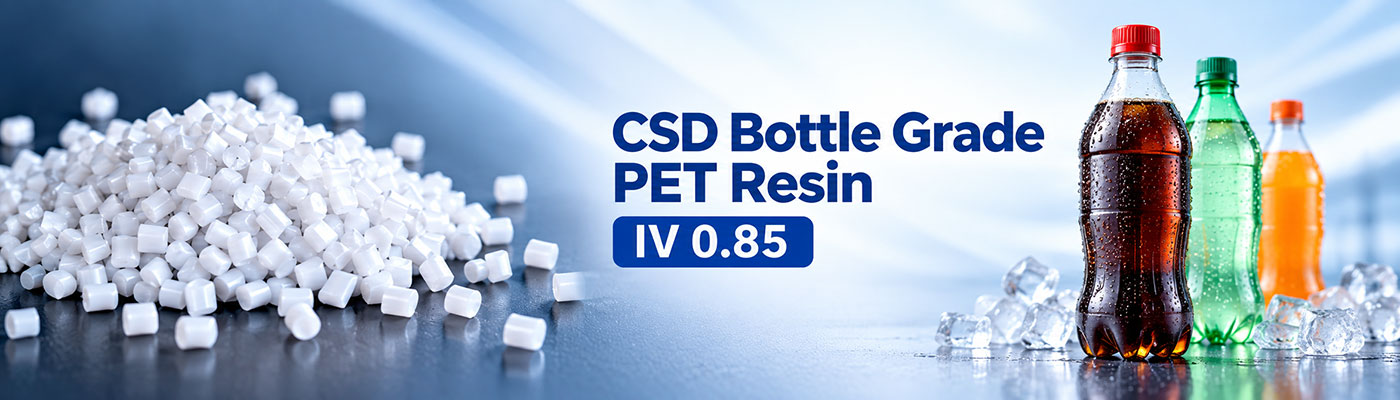
Why Carbonation Changes the Requirements for PET Bottles?
The biggest difference between water and carbonated beverages is pressure.
Carbon dioxide is dissolved into the beverage under pressure. After filling and sealing, the CO₂ continuously exerts pressure on the bottle wall.
The pressure is not constant under all conditions.
When temperature rises, internal bottle pressure can increase considerably. Therefore, bottles must be able to survive not only normal warehouse conditions but also transportation, warm storage environments, and temperature fluctuations.
This places several simultaneous demands on the PET resin.
The bottle needs:
* High mechanical strength
* Good creep resistance
* Adequate molecular weight
* Good stress resistance
* Stable dimensional performance
* Reliable base strength
* Good gas barrier performance
* Consistent blow-molding behavior
CSD Bottles Must Withstand Continuous Internal Pressure
The first reason CSD bottle grade PET resin is necessary is pressure resistance.
Water does not normally create significant internal pressure inside a sealed bottle. Carbonated beverages do. Once a CSD bottle is filled and capped, its walls remain under continuous tensile stress.
If the resin lacks sufficient mechanical performance, several problems may develop:
The bottle may gradually expand.
The base may deform.
The shoulder area can lose dimensional stability.
The bottle may become softer over time, especially at elevated temperatures.
This behavior is related partly to polymer molecular weight and molecular-chain entanglement.
PET resin with an appropriate intrinsic viscosity provides stronger molecular-chain interactions, helping the finished bottle resist deformation under pressure. For this reason, CSD applications commonly use PET resin with a somewhat higher IV than many general-purpose water bottle grades.
Higher Intrinsic Viscosity Helps Improve Bottle Strength
Intrinsic viscosity IV provides an indication of the molecular weight of the PET polymer.
In general, a higher IV means longer polymer chains and potentially better mechanical strength, although finished bottle performance also depends on processing and bottle design.
For many CSD applications, IV 0.84 or IV 0.85 PET resin provides a useful balance between mechanical strength and processing performance. The additional molecular strength helps the bottle cope with internal carbonation pressure and long-term creep.
However, simply choosing the highest possible IV is not necessarily the right strategy. Higher IV can also influence melt viscosity, injection molding conditions, energy consumption, and preform processing. The best PET grade should therefore provide an optimized balance of strength, processability, clarity, and barrier performance.
Carbonated Beverages Require Better CO2 Retention
A carbonated beverage only delivers the expected consumer experience if sufficient carbon dioxide remains dissolved in the drink. CO2 gradually permeates through the PET bottle wall.
If too much gas escapes before the end of the intended shelf life, the beverage may become flat. Therefore, CO₂retention is an important consideration in CSD packaging.
PET already provides good gas barrier properties compared with many commodity packaging polymers. However, resin properties are only part of the equation.
CO2 retention also depends on:
* Bottle wall thickness
* Bottle surface area
* Bottle volume
* Preform design
* Stretch ratio
* Orientation during blow molding
* PET morphology
* Storage temperature
* Carbonation level
* Shelf-life requirements
A properly selected CSD PET resin helps the processor achieve a bottle structure capable of maintaining carbonation throughout the required distribution period. For small bottles, the challenge can be even greater because the surface-area-to-volume ratio is relatively high.
Other Performances Required for CSD Bottles
>> CSD PET Must Provide Good Creep Resistance
Creep is the gradual deformation of a material when it remains under continuous stress for an extended period. CSD bottles are a classic example of this condition. The internal beverage pressure continuously pushes against the bottle wall. Over time, an insufficiently optimized bottle can slowly change shape.
PET resin designed for carbonated bottles should therefore offer the molecular properties needed to support good long-term dimensional stability when combined with correct preform and bottle design.
>> Base Performance Is Especially Important for CSD Bottles
The base of a carbonated beverage bottle is one of its most critical structural areas. A conventional flat PET bottle base would have difficulty handling the internal pressure generated by carbonation. This is why CSD bottles commonly use carefully engineered base geometries such as petaloid bases. These structures distribute stress and help the bottle remain stable while under pressure.
However, bottle geometry alone is not enough. The PET resin must allow consistent material distribution during stretch blow molding so that critical areas of the bottle receive sufficient strength. A specialized CSD PET resin therefore needs not only adequate IV but also predictable processing behavior.
>> Blow-Molding Performance Must Be Highly Consistent
PET bottles are normally produced through a two-stage process.
First, PET resin is injection molded into a preform. The preform is later reheated and stretch-blow molded into the final bottle. During blow molding, the PET chains become biaxially oriented.
For carbonated beverage bottles, achieving the correct orientation is particularly important. The PET resin therefore needs a controlled and repeatable reheat and stretch-blow molding window.
>> Acetaldehyde Control Remains Important
Acetaldehyde AA can be generated when PET is processed at high temperature. AA is particularly important in beverage packaging because excessive levels can influence the taste or odor of the packaged product. The concern is usually strongest in bottled water, where even subtle flavor changes can be noticeable.
However, CSD manufacturers still need properly controlled AA levels.
PET manufacturers therefore carefully control resin polymerization and solid-state processing to produce bottle-grade resin with suitable AA characteristics.
>> Thermal Stability Is Essential During Preform Production
Before injection molding, PET resin normally requires thorough drying. PET is hygroscopic, meaning that it absorbs moisture from the surrounding environment. If excessive moisture remains in the resin during melt processing, hydrolytic degradation can occur. This breaks PET molecular chains and reduces molecular weight.
As a result, intrinsic viscosity can fall during processing. For a CSD bottle that relies heavily on mechanical strength, uncontrolled IV loss can be especially problematic.
Bottle Size Influences the PET Resin Requirement
Not every CSD bottle should use exactly the same preform and resin processing strategy.
A 330 mL cola bottle and a 2 L carbonated beverage bottle experience different structural requirements.
>> Small CSD Bottles
Small bottles generally have a higher surface-area-to-volume ratio. Maintaining carbonation can therefore be challenging, particularly when a long shelf life is required. Good material orientation and wall distribution are important.
>> 1–1.5 L CSD Bottles
These represent common mainstream carbonated beverage formats. The PET resin must provide a good balance of pressure resistance, material efficiency, and blow-molding stability.
>> 2 L and Larger CSD Bottles
Larger bottles contain a greater total volume of carbonated beverage and require carefully engineered bottle structures. Bottle wall thickness, preform weight, base design, resin IV, and blow-molding conditions become particularly important.
Important Properties When Selecting PET Resin for CSD Bottles
When purchasing PET resin for carbonated beverage bottle production, manufacturers should evaluate several specifications.
Intrinsic Viscosity. For many CSD applications, PET with IV 0.84–0.85 dL/g is commonly considered.
Acetaldehyde. AA should be controlled to meet beverage-packaging requirements.
Color. Bottle-grade PET normally requires high transparency and controlled color values to produce attractive clear containers.
Moisture. Proper moisture control is essential before processing because excessive moisture can cause hydrolytic degradation.
Melting and Thermal Characteristics. Stable thermal properties contribute to predictable injection molding and bottle blowing.
Reheat Performance. Good reheat characteristics can contribute to more uniform preform heating and energy-efficient stretch blow molding.
Processing Consistency. For large-scale beverage factories, batch-to-batch consistency can be as important as individual specification values.
CSD Bottle Grade PET Resin Supplier in China
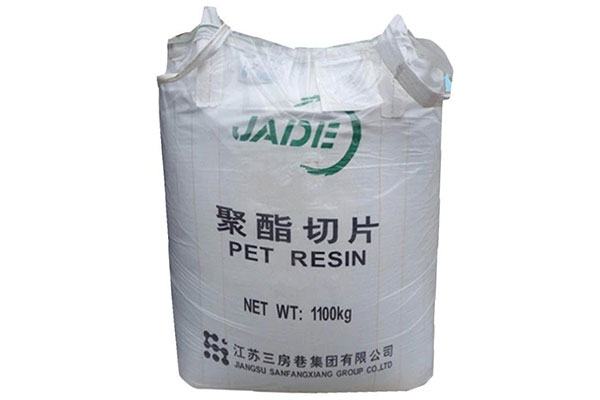
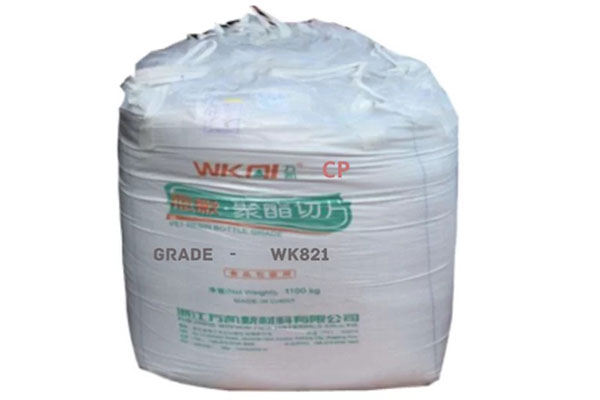
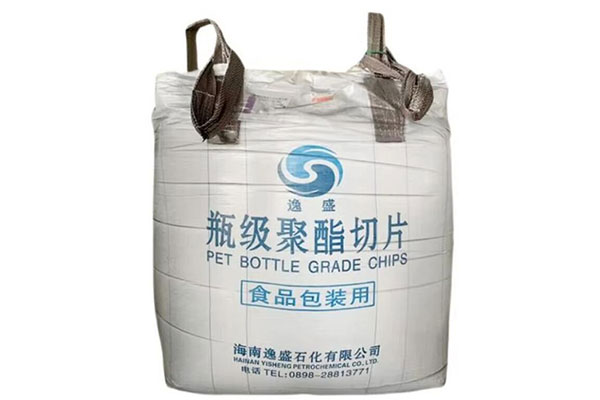
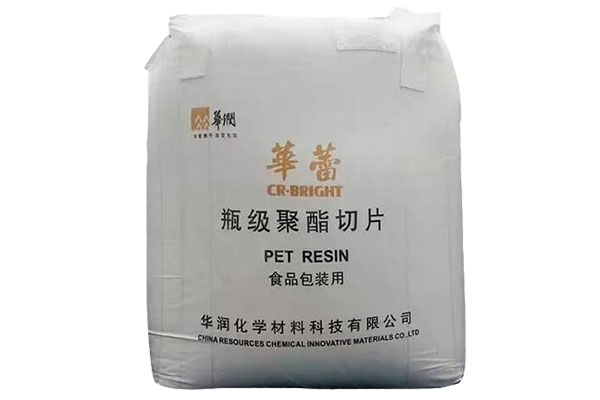
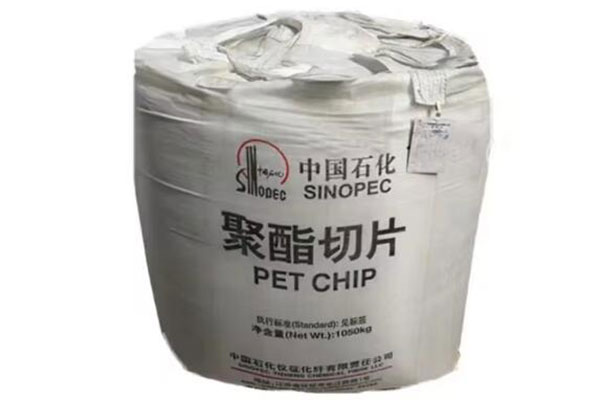
Chemate supplies Chinese bottle-grade PET resin for different beverage and packaging applications, including:
FAQs About CSD Bottle Grade PET Resin
1. What PET resin is used for carbonated soft drink bottles?
Carbonated soft drink bottles normally use CSD bottle grade PET resin specifically designed for pressure-bearing beverage containers. These grades generally provide relatively high intrinsic viscosity, good mechanical strength, CO2 retention, clarity, and stable stretch-blow molding performance.
2. What IV is commonly used for CSD bottle PET resin?
Many CSD bottle applications use PET resin around IV 0.85 dL/g. However, the optimum IV depends on bottle size, preform design, carbonation level, production equipment, and the resin manufacturer’s recommended application.
3. Why is CSD PET usually higher IV than water bottle PET?
CSD bottles experience continuous internal pressure from dissolved carbon dioxide. Higher-IV PET generally provides greater molecular weight and mechanical strength, helping bottles resist creep and dimensional deformation during storage.
4. Can IV 0.80 PET resin be used for CSD bottles?
Some bottle designs may technically be produced using lower-IV PET, but a resin designed specifically for CSD applications is generally preferred for commercial carbonated beverage production. Bottle pressure requirements, shelf life, preform design, and the resin manufacturer’s recommendations should be considered.
5. Why do CSD bottles have a special bottom design?
Carbonated beverages create internal pressure that pushes outward on the bottle. CSD bottles therefore commonly use a petaloid or similarly engineered base that distributes stress and helps prevent deformation while allowing the bottle to stand securely.
6. Does PET prevent CO₂from escaping completely?
No packaging polymer creates a completely impermeable barrier. CO₂slowly permeates through PET over time. Resin properties, bottle thickness, orientation, bottle size, temperature, and design all influence carbonation retention.
7. Does bottle size affect CSD PET resin selection?
Yes. A 500 mL CSD bottle and a 2 L CSD bottle have different structural and material-distribution requirements. Larger bottles may require careful optimization of preform weight, bottle geometry, material orientation, and resin characteristics.
8. Is low acetaldehyde important for CSD PET?
Yes. Bottle-grade PET should have controlled acetaldehyde levels because excessive AA can affect beverage sensory quality. Processing conditions during preform molding can also influence the amount of AA generated.